Ziziphus mucronata subsp. rhodesica
Willd., R. B. Drummond
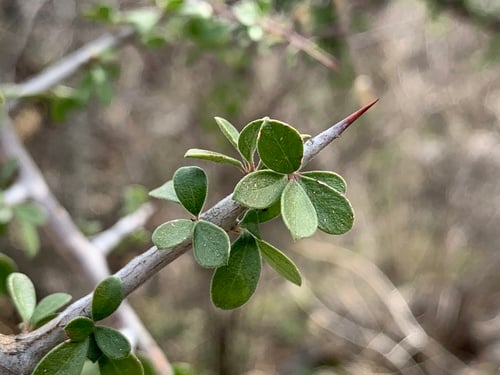
iNaturalist· cc-by-nc
(c) Adrian Wilson, some rights reserved (CC BY-NC)
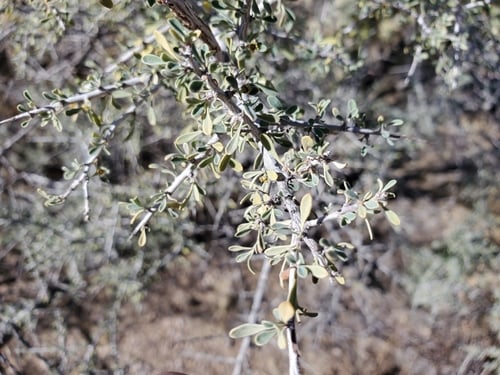
iNaturalist· cc-by-nc
(c) Adrian Wilson, some rights reserved (CC BY-NC)
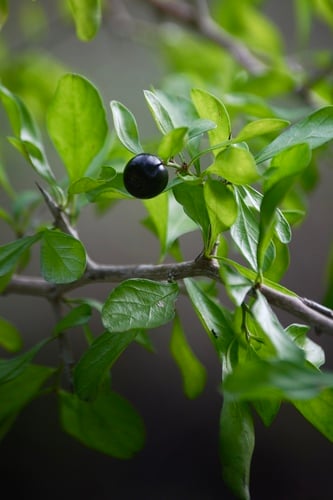
iNaturalist· cc-by-nc
(c) Adrian Wilson, some rights reserved (CC BY-NC)
Summary
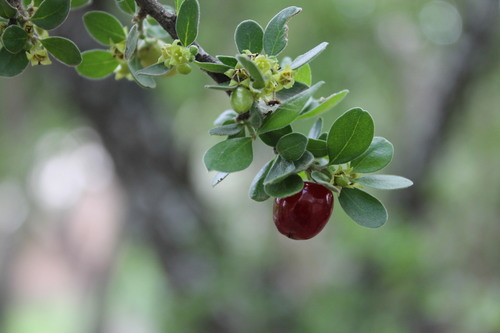
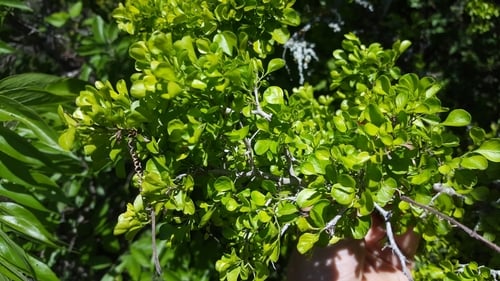
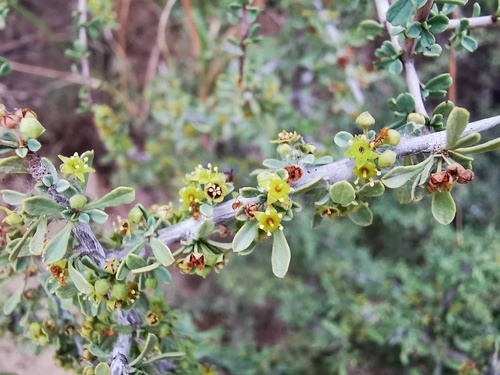
Source: WikipediaZiziphus mucronata, known as the buffalo thorn, is a species of tree in the family Rhamnaceae, native to southern Africa. It is deciduous and may grow up to 17 metres tall. It can survive in a variety of soil types, occurring in many habitats, mostly open woodlands, often on soils deposited by rivers, and grows frequently on termite mounds. Its Zulu name “umLahlankosi” alludes to its use as a grave marker for tribal chiefs, while the Afrikaans name “Blinkblaar-wag-'n-bietjie” alludes to the shiny light green leaves and the hooked thorns.
Description
A shrub or small tree.
This description is brief — help expand it
Edible Uses
The leaves are edible and can be cooked into spinach. The seeds can be roasted and ground as a substitute for coffee. The fruit are not very tasty, though a type of beer can be made from them. The Ovambo people use it to distill ombike, a traditional liquor. The leaves and fruits are also a valuable source of forage for livestock.
Medicinal Uses
A blend made from the roots is used as a painkiller and for dysentery while the bark and leaves are used for respiratory ailments and sepsis on the skin. A paste made from the roots and leaves will treat boils, sores and swelling. The above may be attributed to the peptide alkaloids and antifungals isolated from the bark and leaves. Branches are used for protection of cattle kraal and sometimes on the graves of dead tribal members. The wood is used for implements and fuel. The leaves bark and roots are used medicinally and magically for pain relief, respiratory complaints and skin infections, especially for chest and stomach disorders. The leaves if crushed may be used to stop bleeding. Steam baths from the bark are used to purify and improve the complexion. In East Africa, roots are used for treating snake bites.
Distribution
A tropical plant.
Where It Grows
Africa, Botswana, East Africa, Southern Africa, Zimbabwe,