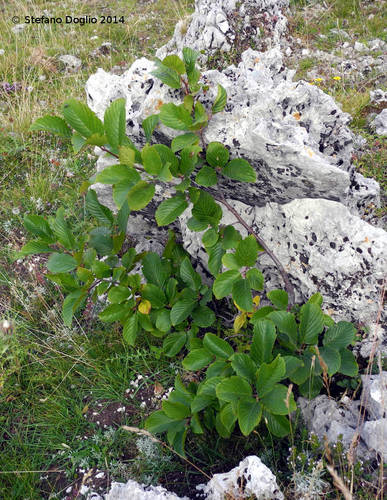
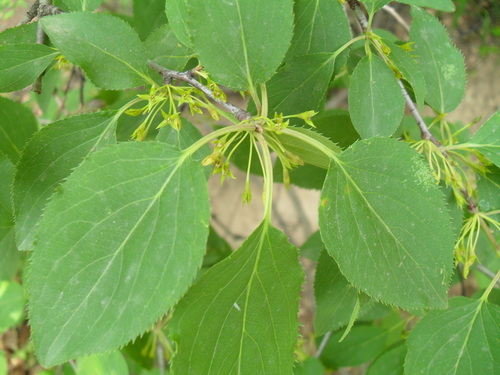
Ceanothus cuneatus
(Hook.) Nutt.
Buckbrush
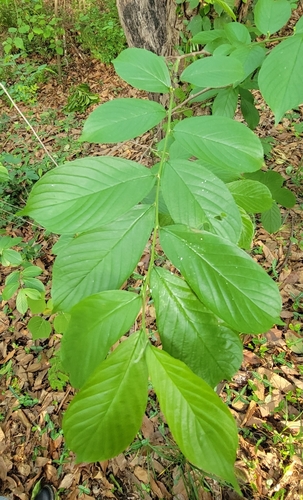
iNaturalist· cc-by-nc
(c) Logic McDaniel, some rights reserved (CC BY-NC), uploaded by Logic McDaniel
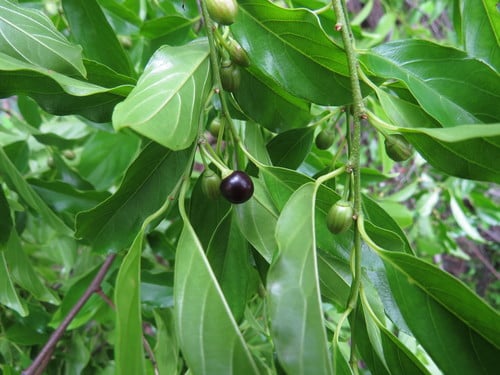
iNaturalist· cc-by
(c) Tom Wainwright, some rights reserved (CC BY)
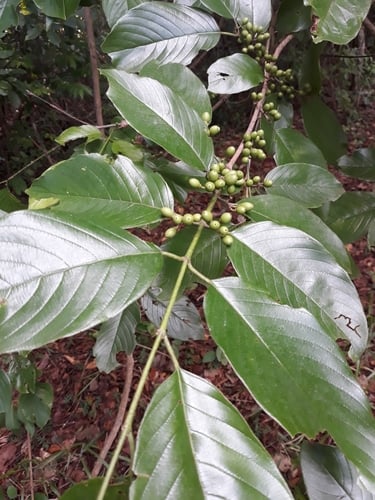
iNaturalist· cc-by-sa
(c) Meghan Cassidy, some rights reserved (CC BY-SA), uploaded by Meghan Cassidy
Summary
Source: WikipediaCeanothus cuneatus is a species of flowering shrub known by the common names buckbrush and wedgeleaf ceanothus.
Description
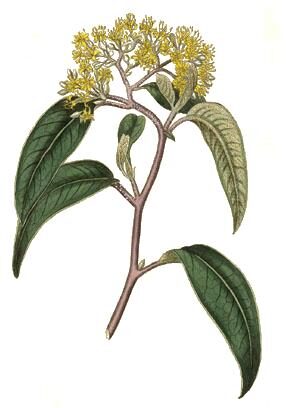
A shrub. It grows 3 m tall. The leaves are stiff and can have small teeth along the edge. The flowers are in rounded bunches or very small flowers. They are white. The fruit is a round capsule about 12 mm wide. There are 3 dark shiny seeds.
Edible Uses
The seeds are edible, though no further preparation details are recorded. The leaves and flowers make an excellent tea when steeped in boiling water for about 5 minutes.
Traditional Uses
The leaves and flowers are steeped in boiling water for about 5 minutes to make tea.
This uses section is brief — help expand it
Medicinal Uses
The plant is astringent, digestive, pectoral, and tonic, and acts as a liver tonic.
Distribution
It is a temperate plant.
Where It Grows
Britain, Central America, Europe, Mexico, North America, USA,
Propagation
Sow seed as soon as it is ripe in a cold frame. Stored seed should be pre-soaked for 12 hours in warm water, then given 1–3 months of stratification at 1°C; germination usually takes 1–2 months at 20°C. One method recommends boiling water treatment, or heating the seed in 4 times its volume of sand at 90–120°C for 4–5 minutes, followed by soaking in warm water for 12 hours. Seed is long-lived — after 15 years in an airtight dry container at 1–5°C it shows little drop in viability. Because seed is ejected forcefully from the capsule at ripeness, it must be collected just before dehiscence or it becomes difficult to extract and rarely germinates well. Prick seedlings into individual pots as soon as they are large enough to handle and grow on under glass for at least the first winter before planting out in late spring or early summer. Half-ripe cuttings taken at a node can be struck in a frame in July or August. Cuttings of mature wood from the current year's growth, 7–12 cm with a heel, can be taken in October in a cold frame. The roots are brittle, so pot up callused cuttings in spring just before the roots break. Success rates are generally good.
Other Uses
A green dye is obtained from the flowers and a red dye from the root. The stems have been used as rods in basket making. All parts of the plant are rich in saponins — when crushed and mixed with water they produce a good lather that serves as an effective and gentle soap. It excels at removing dirt but does not lift oils, which means it cleans skin without stripping natural body oils, though it will not remove engine oil or similar substances either. The flowers are a particularly good saponin source and leave a pleasant fragrance on skin after use. The developing seed cases are also a very good source of saponins.
Notes
There are about 55 Ceanothus species.
Also Known As
Bracillo, Snowbush, Wild lilac