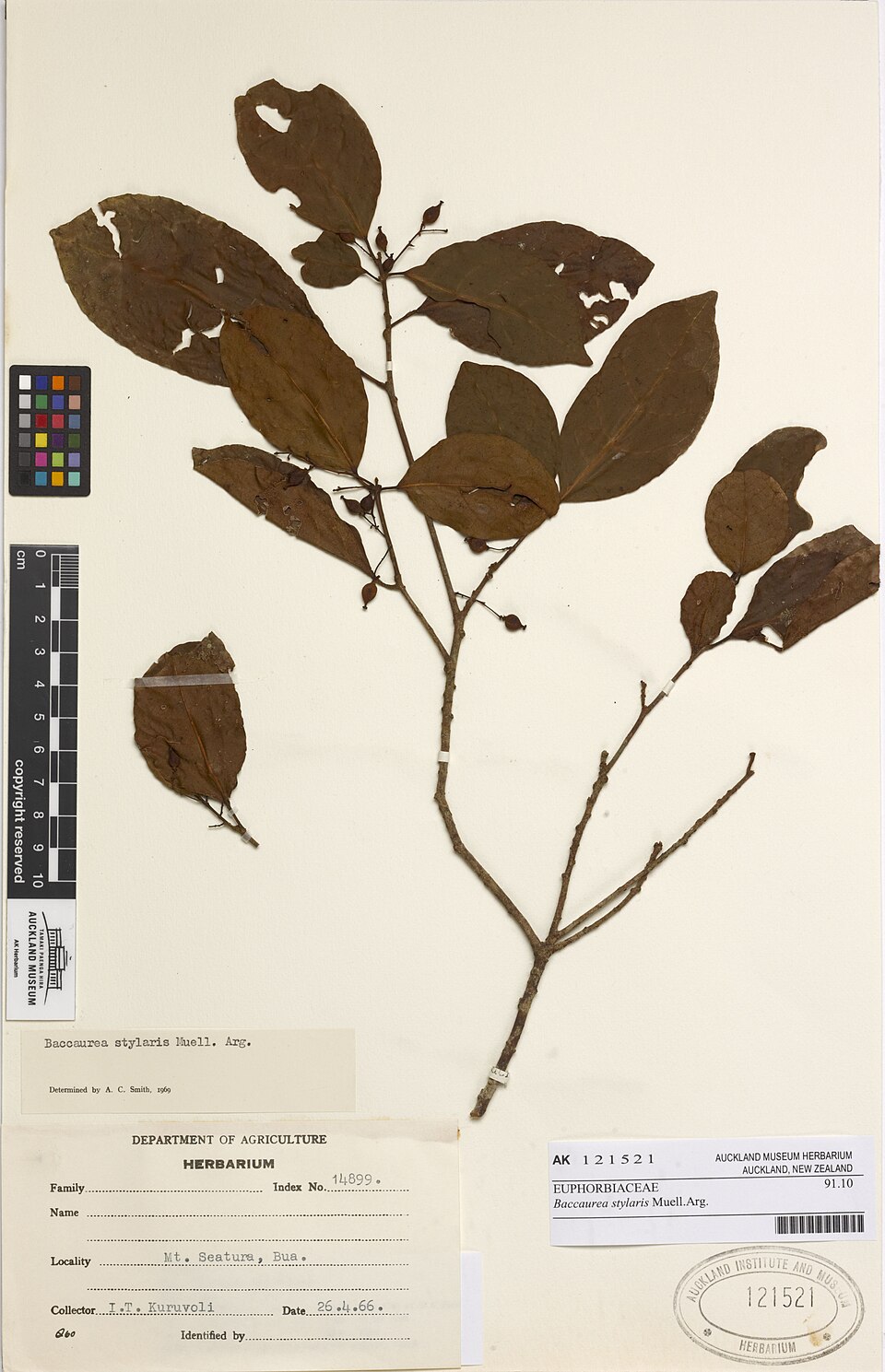
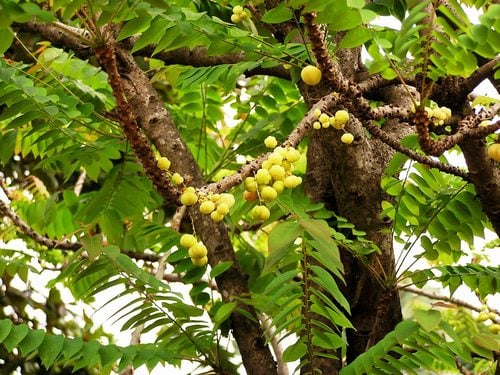
Breynia oblongifolia
(Mull.Arg.) Mull.Arg.
Oblong-leafed breynia, Coffee bush
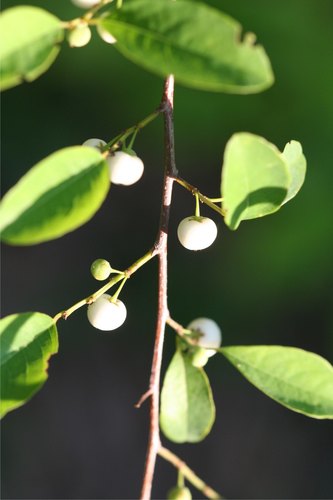
iNaturalist· cc-by-sa
(c) Greg Tasney, some rights reserved (CC BY-SA), uploaded by Greg Tasney
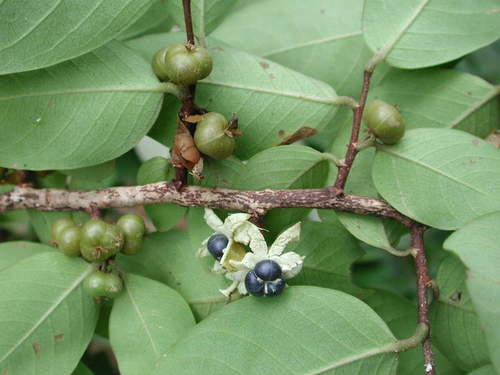
iNaturalist· cc-by-nc
(c) Roger Latham, some rights reserved (CC BY-NC), uploaded by Roger Latham
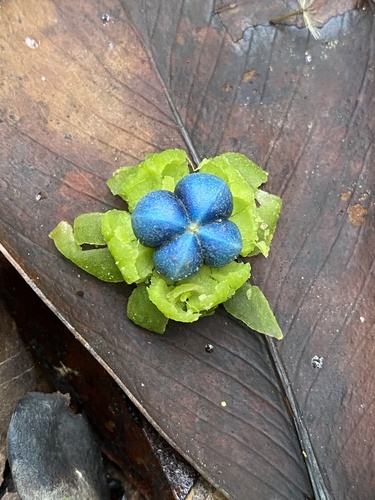
iNaturalist· cc-by-nc
(c) t_plummetus, some rights reserved (CC BY-NC), uploaded by t_plummetus
Summary
Source: WikipediaBreynia oblongifolia, commonly known as coffee bush, grows naturally in Australia and New Guinea as shrubs up to 3 m (10 ft) in height. The species produces alternate, distichous, ovate leaves 20–30 mm (0.8–1.2 in) long by 10–20 mm (0.4–0.8 in) wide. Small, green flowers are produced in spring and summer, and these are followed by orange or pink berries about 6 mm (0.24 in) diameter that turn black when fully ripe. The species tolerates wide variety of environments, and is found in coastal tropical rainforests in North Queensland and New Guinea through to cool Eucalypt woodlands in south–eastern New South Wales to arid Acacia woodlands in Western Queensland. This plant proliferates in disturbed areas and can recolonise cleared sites and can pop up occasionally in undisturbed gardens, the species will spread at the expense of fire-dependent species if fire is withdrawn from an ecosystem used to being burnt. This plant supports many different animals that feed on leaves, berries and flowers. This native shrub may be confused with Senna species which are found in similar habitats, but Senna has pinnate leaves (leaf is divided into separate leaflets and a petiole) unlike the simple leaves of B. oblongifolia, and Senna produces conspicuous yellow flowers followed by leguminous pods in contrast to the inconspicuous flowers and red berries of B. oblongifolia. Breynia oblongifolia presumably is dependent on leafflower moths (Epicephala spp.) for its pollination, like other species of tree in the genus Breynia. Leafflower moths have been reared from fruit of this species in Australia.
Description
A shrub. It grows about 3 m tall. The bark is light brown and smooth. The leaves are simple and alternate. They are oval and entire. They are 3.5 cm long. They are green above and more pale underneath. The flowers are small and green to yellow. The fruit are berries about 6 mm across. They are pink to red and turn black as they ripen.
Edible Uses
The fruit are berries 6 mm across that ripen from pink-red to black.
Traditional Uses
Caution: The fruit are suspected of being poisonous to stock.
This uses section is brief — help expand it
Known Hazards
The fruit are suspected of being poisonous to stock.
Distribution
It is a tropical to warm temperate plant. It grows in rainforests.
Where It Grows
Australia*, Papua New Guinea, PNG,
Notes
Also put in the family Euphorbiaceae.
Synonyms
References (2)
- Melzer, R. & Plumb, J., 2011, Plants of Capricornia. Belgamba, Rockhampton. p 116
- Robinson, L., 2003, Guide to the Native Plants of Sydney. Kangaroo Press.