Caucalis platycarpos
L.
Small bur-parsley
iNaturalist· cc-by-nc
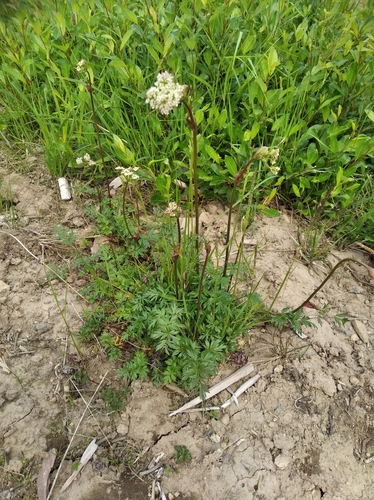
(c) Norbert Sauberer, some rights reserved (CC BY-NC), uploaded by Norbert Sauberer
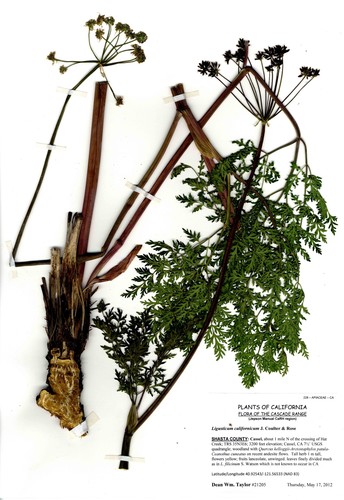
iNaturalist· cc-by
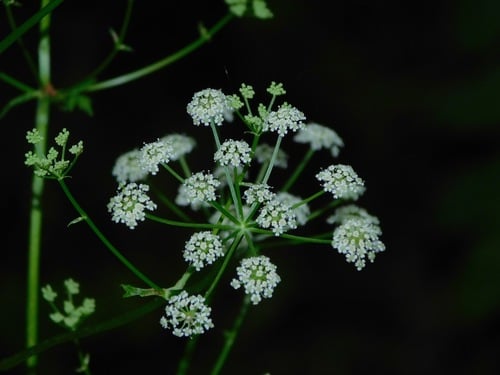
(c) Denys Vynokurov, some rights reserved (CC BY)
iNaturalist· cc-by
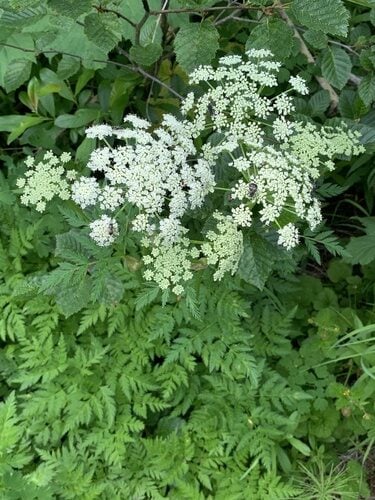
(c) Denys Vynokurov, some rights reserved (CC BY)
Summary
Source: WikipediaAn annual plant growing to 0.3 meters tall. Flowers June to July. Hermaphroditic and insect-pollinated, self-fertile. Adapts to light sandy, medium loamy, and heavy clay soils, including very alkaline soils. Requires full sun and prefers moist conditions.
Description
An annual plant growing to 0.3 meters tall. Flowers June to July. Hermaphroditic and insect-pollinated, self-fertile. Adapts to light sandy, medium loamy, and heavy clay soils, including very alkaline soils. Requires full sun and prefers moist conditions.
Edible Uses
The leaves can be eaten raw or cooked. They have been used as a pot-herb and also pickled for winter salads.
Traditional Uses
The seeds are milled and mixed with wheat flour for bread.
This uses section is brief — help expand it
Medicinal Uses
None known
Distribution
It is a temperate plant.
Where It Grows
Britain, Central Asia, Europe, Luxembourg, Slovenia, Spain, Tajikistan, Turkey, Türkiye,
Cultivation
A wild native species, see notes on habitat above for ideas of its cultivation needs.
Propagation
Sow seed in situ in spring.
Other Uses
None known
Synonyms
Also Known As
Caxurro, Kara pitrak, širokoplodna kopčica
References (4)
- Kargioglu, M. et al, 2010, Traditional Uses of Wild Plants in the Middle Aegean Region. Human Ecology 38:429-450
- Plants for a Future database, The Field, Penpol, Lostwithiel, Cornwall, PL22 0NG, UK. http://www.scs.leeds.ac.uk/pfaf/
- Sp. pl. 1:241. 1753
- Tardio, J., et al, Ethnobotanical review of wild edible plants in Spain. Botanical J. Linnean Soc. 152 (2006), 27-71