Morella salicifolia
(Hochst. ex A. Rich.) Verdc. & Polhill
iNaturalist· cc-by-nc
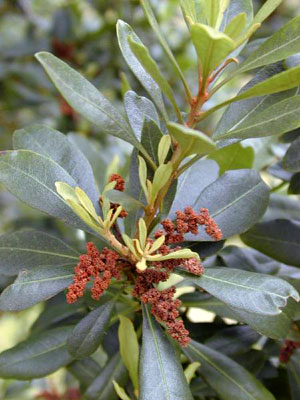
(c) coqwallon, some rights reserved (CC BY-NC), uploaded by coqwallon
iNaturalist· cc-by-nc
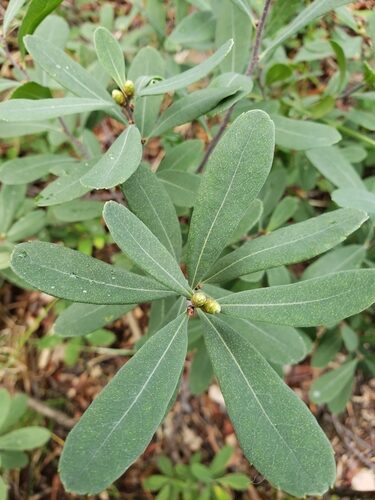
(c) Mitiku Muanenda, some rights reserved (CC BY-NC)
iNaturalist· cc-by-nc
(c) Bart Wursten, some rights reserved (CC BY-NC)
Description
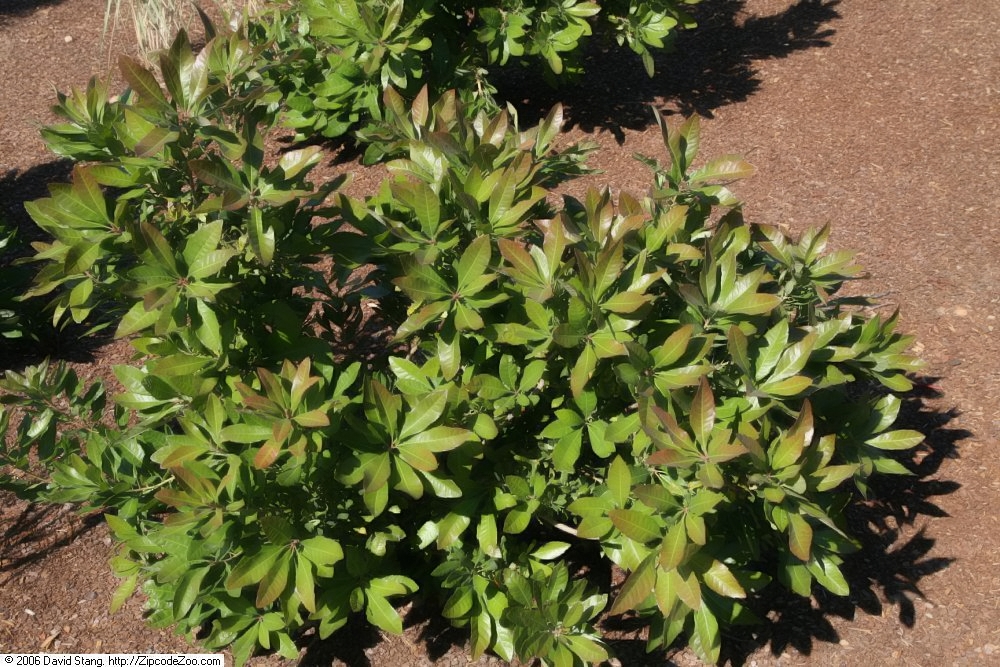
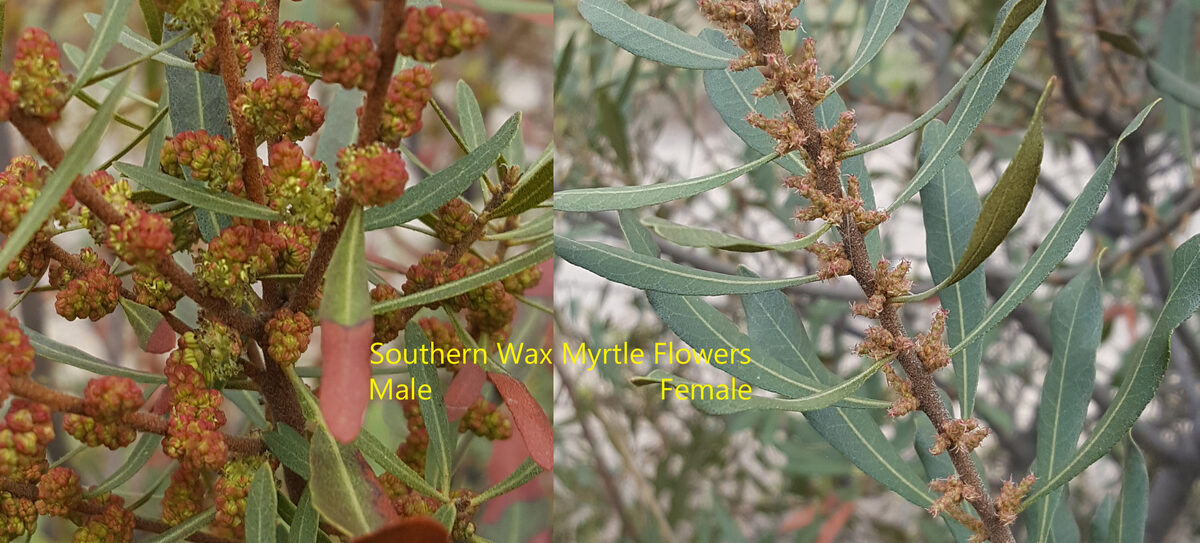
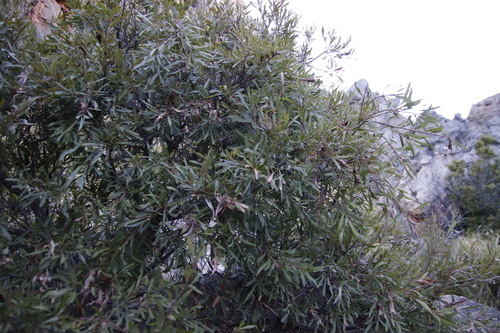
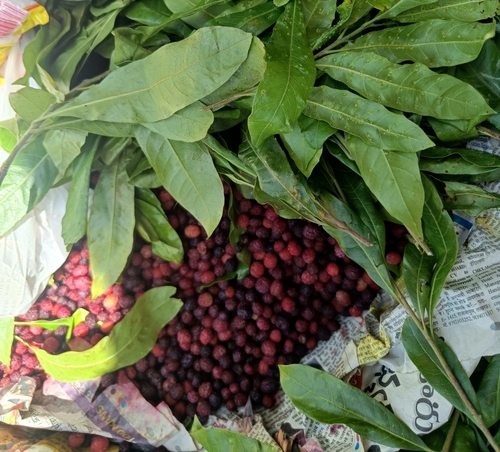
A small branched shrub or a tree. It can grow 15 m tall. The leaves are narrowly oval and 2-13 cm long by 1-6 cm wide. They are wedge shaped and usually unequal at the base. Male and female flowers are usually on separate plants. The fruit are brown or greyish white and a flattened round shape. They are 3-4 mm long.
Edible Uses
The stems are eaten.
Medicinal Uses
It is used as medicine.
Distribution
It is a tropical plant.
Where It Grows
Africa, East Africa, Eritrea, Ethiopia, Malawi, Tanzania, Uganda, Zambia,
Notes
Also put in the family Loganiaceae. It is used as medicine.
Synonyms
Also Known As
Biiqa, Buddule
References (2)
- Ashagre, M., et al, 2016, Ethnobotanical study of wild edible plants in Burji District, Segan Area Zone of Southern Nations, Nationalities and Peoples Region (SNNPR), Ethiopia. Journal of Ethnobiology and Ethnomedicine (2016) 12:32 (As Myrica salicifolia)
- Feyssa, D. H., et al, 2011, Seasonal availability an consumption of wild edible plants in semiarid Ethiopia; Implications to food security and climate change adaptation. Journal of Horticulture and Forestry 3(5): 138-149 (As Myrica salicifolia)