Helichrysum stoechas
(L.) Moench
iNaturalist· cc-by-nc-sa
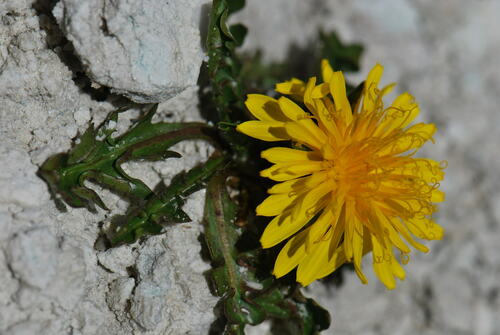
(c) Tamsin Carlisle, some rights reserved (CC BY-NC-SA)
iNaturalist· cc-by-nc
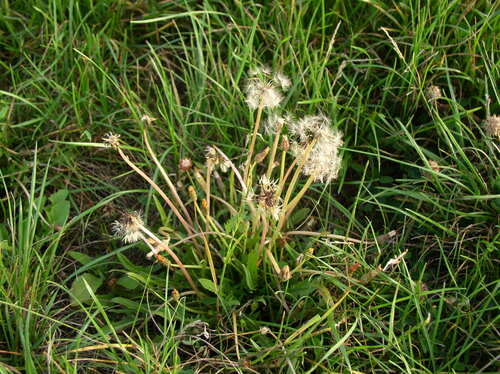
(c) A. Moore, some rights reserved (CC BY-NC)
iNaturalist· cc-by-nc
(c) acid_angie, some rights reserved (CC BY-NC)
Summary
Source: WikipediaHelichrysum stoechas, known as Mediterranean strawflower, curry plant, common shrubby everlasting, everlasting flower, or eternal flower, is an annual or perennial shrub (depending on locale) that prefers dry, rocky and sandy areas. It can grow up to 120 centimeters (47 inches) in height, and spreads over 1 square meter (3 feet 3 inches) in area. It is a hermaphrodite that has grayish green leaves and produces small globular yellow flowers sometimes in the Spring or in July and August that are pollinated by insects.
Description
A perennial evergreen shrub reaching 0.5 m tall and 1 m wide. Hardy to UK zone 8. Flowers July to August with hermaphroditic blooms pollinated by insects. Thrives in light sandy and medium loamy soils that are well-drained and nutritionally poor. Tolerates mildly acidic, neutral, and mildly alkaline pH. Requires full sun, handles drought well, and can endure strong winds but not coastal salt spray.
Edible Uses
None known.
Traditional Uses
The flowers are dried and used for herbal tea.
This uses section is brief — help expand it
Medicinal Uses
The stem tops and flowers are deobstruent and expectorant. They have been used in treating colds, though this use is now considered obsolete. The flowers have also been used as diaphoretics and discutients.
Distribution
It is a Mediterranean plant.
Where It Grows
Europe, Portugal, Spain,
Propagation
Sow seed in February or March in a greenhouse. Germination usually occurs within 2–3 weeks at 20°C. When seedlings are large enough to handle, prick them out into individual pots and grow on in the greenhouse for at least their first winter. Plant out into permanent positions in late spring or early summer, after the last expected frosts. Alternatively, take half-ripe wood cuttings of 5cm with a heel in June or July and root in a frame; they root in about 4 weeks with a good success rate.
Other Uses
None known.
Also Known As
Camamilla borda, Manzanilla fina, Manzanilla real, Semprevives
References (5)
- Blanco-Salas, J., et al, 2019, Wild Plants Potentially Used in Human Food in the Protected Area “Sierra Grande de Hornachos” of Extremadura (Spain). Sustainability 2019, 11, 456
- Bonet, M. A. & Valles, J., 2002, Use of non-crop food vascular plants in Montseny biosphere reserve (Catalonia, Iberian Peninsula). International Journal of Food Sciences and Nutrition (2002) 53, 225–248
- Gonzalez, J. A., et al, 2011, The consumption of wild and semi-domesticated edible plants in the Arribes del Duero (Salamanca-Zamora, Spain): an analysis of traditional knowledge. Genetic. Resour Crop Evolution 58:991-1006
- Pardo-de-Santayana, M., et al, 2007, Traditional knowledge of wild edible plants used in the northwest of the Iberian Peninsula (Spain and Portugal): a comparative study. Journal of Ethnobiology and Ethnomedicine 2007, 3:27
- Tardio, J., et al, Ethnobotanical review of wild edible plants in Spain. Botanical J. Linnean Soc. 152 (2006), 27-71