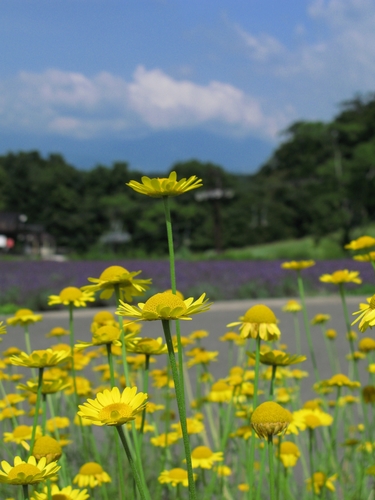
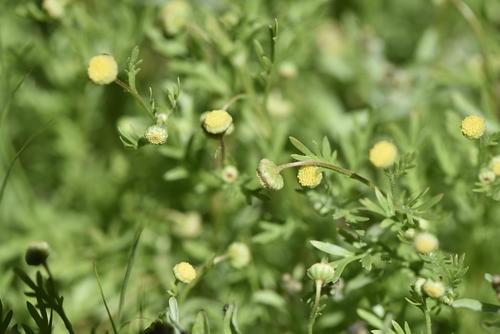
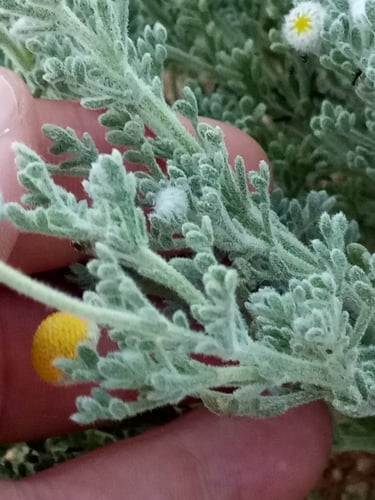
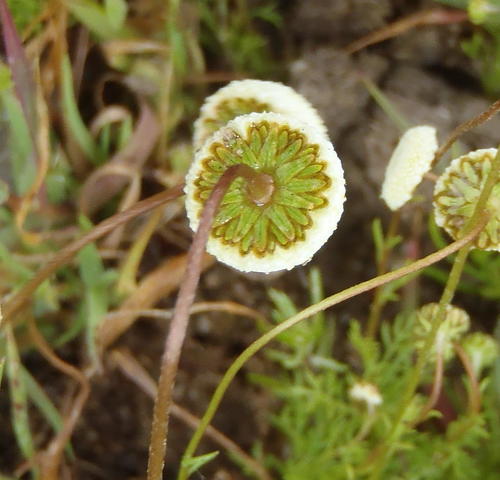
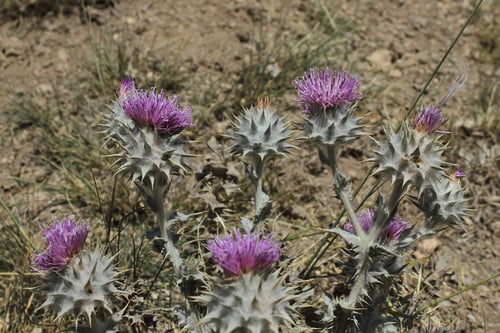
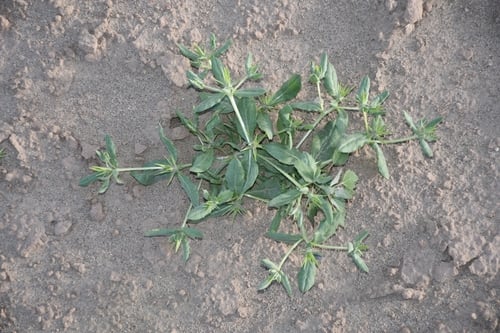
Tragopogon hispanica
L.
wikimedia· cc-by-sa
Wikimedia Commons - Stefan.lefnaer
wikimedia· cc-by-sa
Wikimedia Commons - Stefan.lefnaer
Summary
Source: WikipediaBiennial with hermaphrodite insect-pollinated flowers that is not frost tender. Suitable for light sandy, medium loamy, and heavy clay soils with good drainage. Requires full sun and moist soil with neutral to basic pH.
Description
Biennial with hermaphrodite insect-pollinated flowers that is not frost tender. Suitable for light sandy, medium loamy, and heavy clay soils with good drainage. Requires full sun and moist soil with neutral to basic pH.
Edible Uses
The root can be cooked and eaten. Leaves can be eaten raw or cooked.
Medicinal Uses
None known.
Distribution
It is a Mediterranean climate plant.
Where It Grows
Europe, Spain,
Cultivation
We have very little information on this species and do not know if it will be hardy in Britain, though judging by its native range it should succeed outdoors in many parts of the country. There is no record of this plant in 'Flora Europaea'. The following notes are based on the general needs of the genus. Succeeds in ordinary garden soils, including heavy clays.
Propagation
Sow seed in spring directly in situ. Water in well if the weather is dry.
Other Uses
None known.
Notes
There are about 50 Tragopogon species.
Synonyms
References (1)
- Plants for a Future database, The Field, Penpol, Lostwithiel, Cornwall, PL22 0NG, UK. http://www.scs.leeds.ac.uk/pfaf/