Tragopogon gracilis
D. Don
Slender salsify
iNaturalist· cc-by-nc
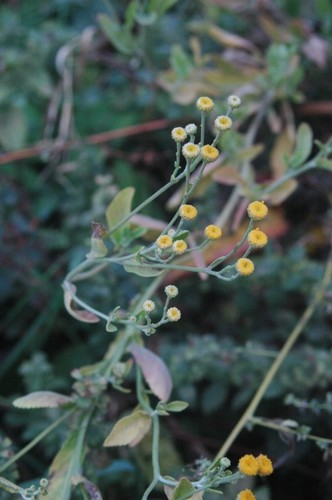
(c) T. Abe Lloyd, some rights reserved (CC BY-NC)
iNaturalist· cc-by-nc
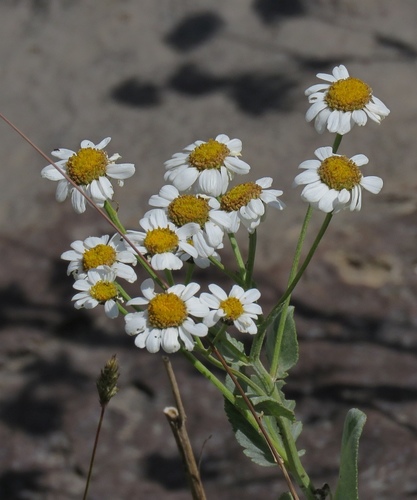
(c) T. Abe Lloyd, some rights reserved (CC BY-NC)
iNaturalist· cc-by-nc
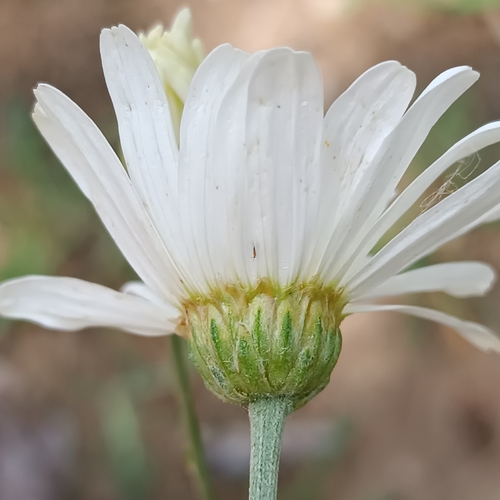
(c) Rajendra Koranga, some rights reserved (CC BY-NC)
Summary
Source: WikipediaPerennial reaching only 20 cm tall with hermaphrodite insect-pollinated flowers. Grows in light sandy, medium loamy, and heavy clay soils with good drainage. Needs full sun and moist conditions in neutral to basic soils.
Description
A herb. It has tufted stems often branched from the base. The stems are 6-20 cm long. The leaves are narrow but they broaden to form sheaths at the base. They are 7.5-20 cm long by 5 mm wide. The flowers occur singly at the ends of branches. The flowers are yellow. The flower heads are 2.5-4 cm across.
Edible Uses
One report notes the plant is used as a vegetable without specifying which part. Based on other members of this genus, the root and young shoots are likely edible. Young fruit heads are also eaten.
Traditional Uses
The young plant is eaten raw. The young fruit heads are eaten.
This uses section is brief — help expand it
Medicinal Uses
None known.
Distribution
It is a temperate plant. It grows between 1500-3500 m altitude in Uttar Pradesh in India. It suits cold arid places.
Where It Grows
Afghanistan, Asia, Central Asia, China, Himalayas, India, Kazakhstan, Kyrgyzstan, Nepal, Pakistan, Tajikistan, Tibet, Uzbekistan,
Cultivation
We have very little information on this species and do not know if it will be hardy in Britain, though judging by its native range it should succeed outdoors in many parts of the country. The following notes are based on the general needs of the genus. Succeeds in ordinary garden soils, including heavy clays.
Propagation
Sow seed in spring directly in situ. Water in well if the weather is dry.
Other Uses
None known.
Other Information
The leaves are eaten especially by children.
Notes
There are about 50 Tragopogon species.
Also Known As
Daifu, Daira, Diara, Dowajha, Gonja, Gwalhayya, Shabey, Shabiay
References (7)
- Ahmad, K. & Pieroni, A., 2016, Folk knowledge of wild food plants among the tribal communities of Thakht-e-Sulaiman Hills, North-West Pakistan. Journal of Ethnobiology and Ethnomedicine, 12:17
- Joshi, N. & Siwakoti, M., 2012, Wild Vegetables Used by Local Community of Makawanpur District and Their Contribution to Food Security and Income Generation. Nepal Journal of Science and Technology Vol. 13, No. 1 (2012) 59-66
- Khalid, N., et al, 2023, Wild food plants gathered by four cultural groups in North Waziristan, Pakistan. Genet Resour Crop Evol. 70:1243–1276
- Negi, K.S., 1988, Some little known wild edible plants of U.P. Hills. J. Econ. Tax. Bot. Vol. 12 No. 2 pp 345-360
- Plants for a Future database, The Field, Penpol, Lostwithiel, Cornwall, PL22 0NG, UK. http://www.scs.leeds.ac.uk/pfaf/
Show all 7 references Hide references
- Polunin, O., & Stainton, A., 2006, Flowers of the Himalaya, Oxford India Paperbacks. p 214
- Rana, J.C. et al, 2011, Genetic resources of wild edible plants and their uses among tribal communities of cold arid regions of India. Genetic Resources and Crop Evolution. 59:135-149