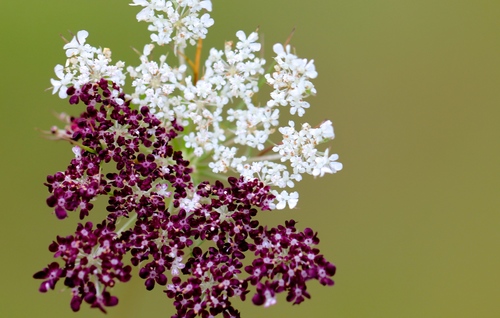
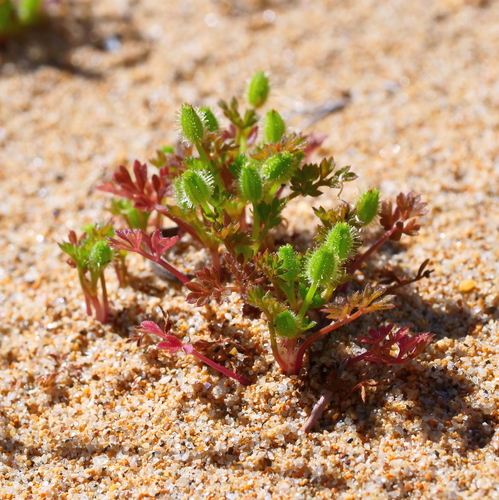
Conopodium subcarneum
(Boiss. & Reut.) Boiss.
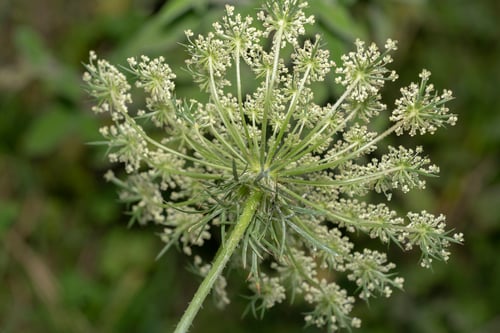
iNaturalist· cc-by-nc-sa
(c) MDavid, some rights reserved (CC BY-NC-SA), uploaded by MDavid
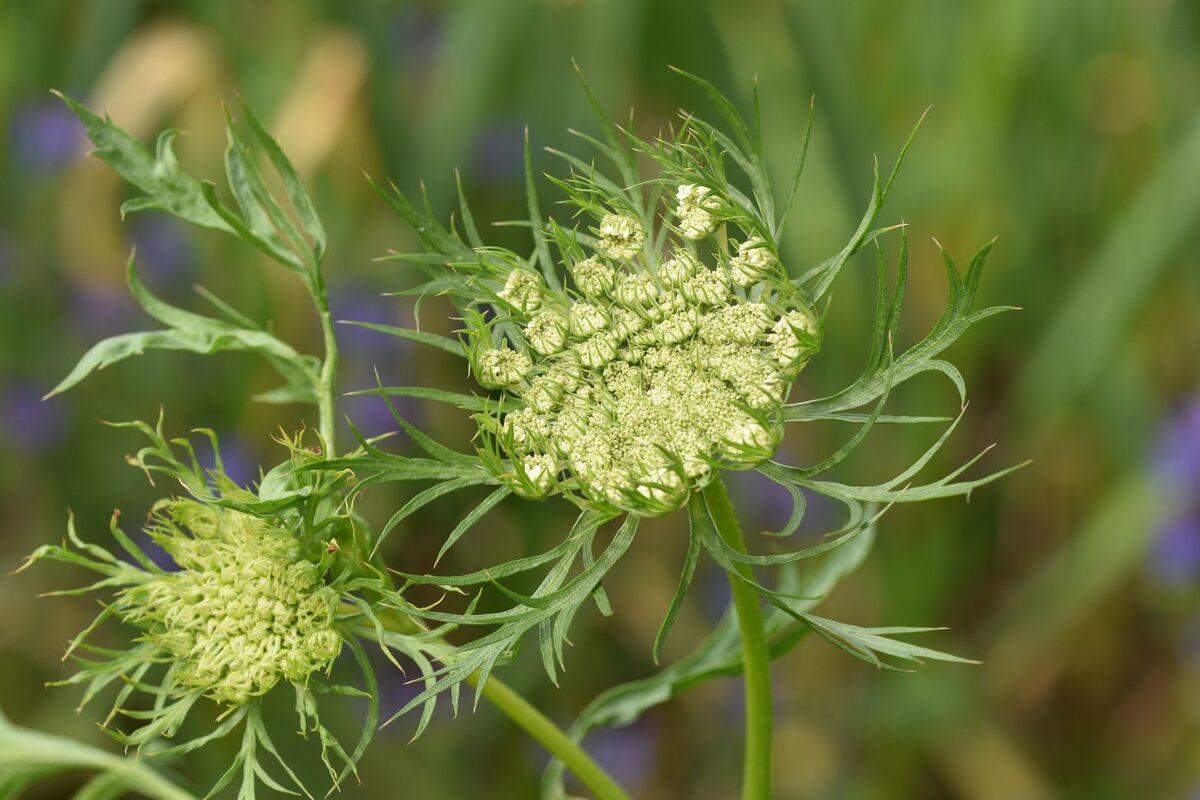
iNaturalist· cc-by-nc
(c) Ángel Fernández Cancio, some rights reserved (CC BY-NC)
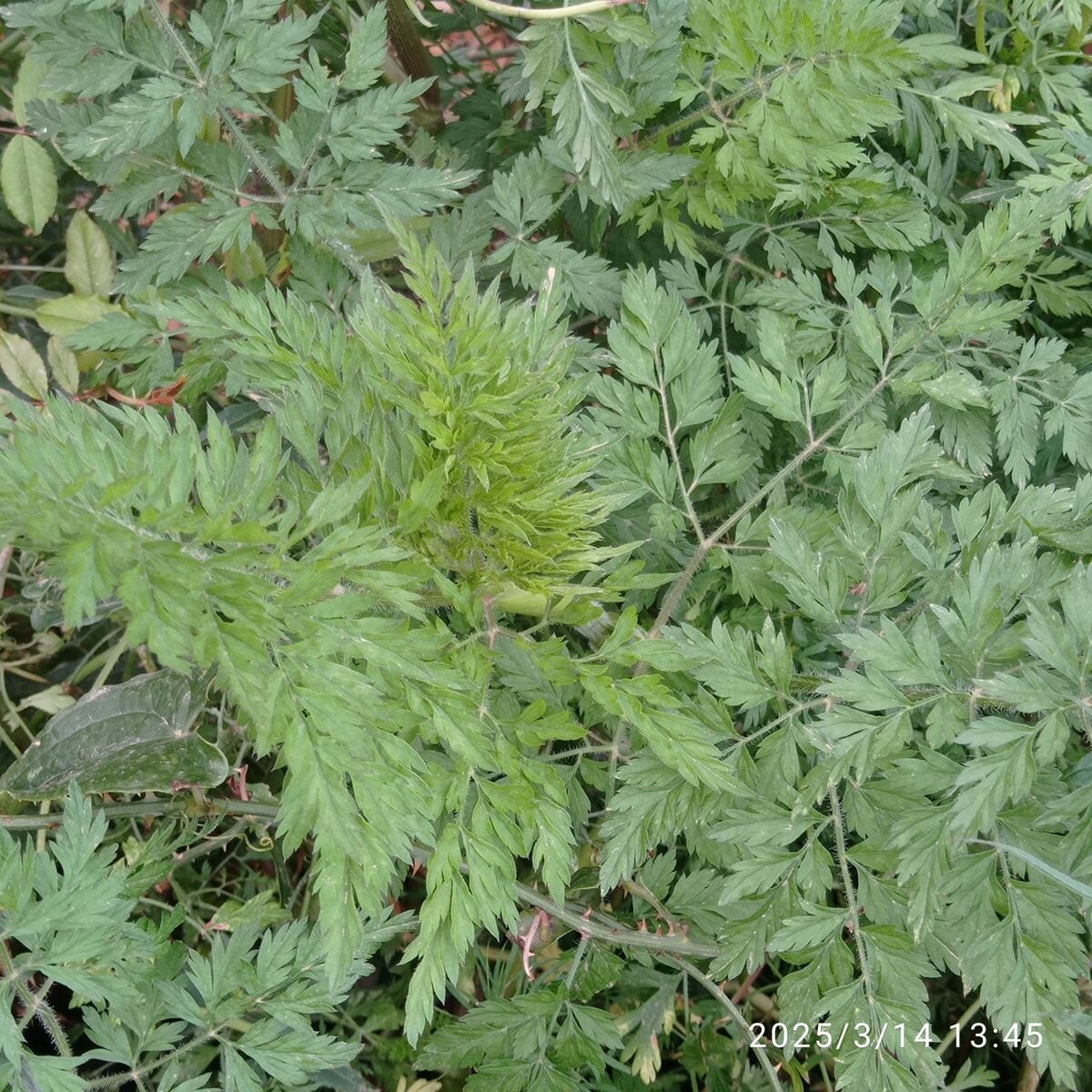
iNaturalist· cc-by-nc
(c) Ángel Fernández Cancio, some rights reserved (CC BY-NC)
Description
A Mediterranean herb of the carrot family (Apiaceae) valued for its underground tubers.
This description is brief — help expand it
Edible Uses
The tubers are eaten raw, particularly by children.
Traditional Uses
The tubers are eaten raw.
This uses section is brief — help expand it
Distribution
It is a Mediterranean plant.
Where It Grows
Europe, Portugal, Spain,
Other Information
They are eaten especially by children.
Synonyms
Bunium subcarneum Boiss. & Reut.Conopodium brachycarpum Boiss. ex LangeConopodium brachycarpum var. pusillum MerinoConopodium capillifolium subsp. subcarneum (Boiss. & Reut.) Lainz
Also Known As
Afrijones, Cacarrollas, Cacamochas, Criadillas, Macucos
References (4)
- Gonzalez, J. A., et al, 2011, The consumption of wild and semi-domesticated edible plants in the Arribes del Duero (Salamanca-Zamora, Spain): an analysis of traditional knowledge. Genetic. Resour Crop Evolution 58:991-1006
- Pardo-de-Santayana, M., et al, 2005, The gathering and consumption of wild edible plants in the Campoo (Cantabria, Spain). International Journal of Food Sciences and Nutrition. 56(7): 529-542
- Pardo-de-Santayana, M., et al, 2007, Traditional knowledge of wild edible plants used in the northwest of the Iberian Peninsula (Spain and Portugal): a comparative study. Journal of Ethnobiology and Ethnomedicine 2007, 3:27
- Tardio, J., et al, Ethnobotanical review of wild edible plants in Spain. Botanical J. Linnean Soc. 152 (2006), 27-71