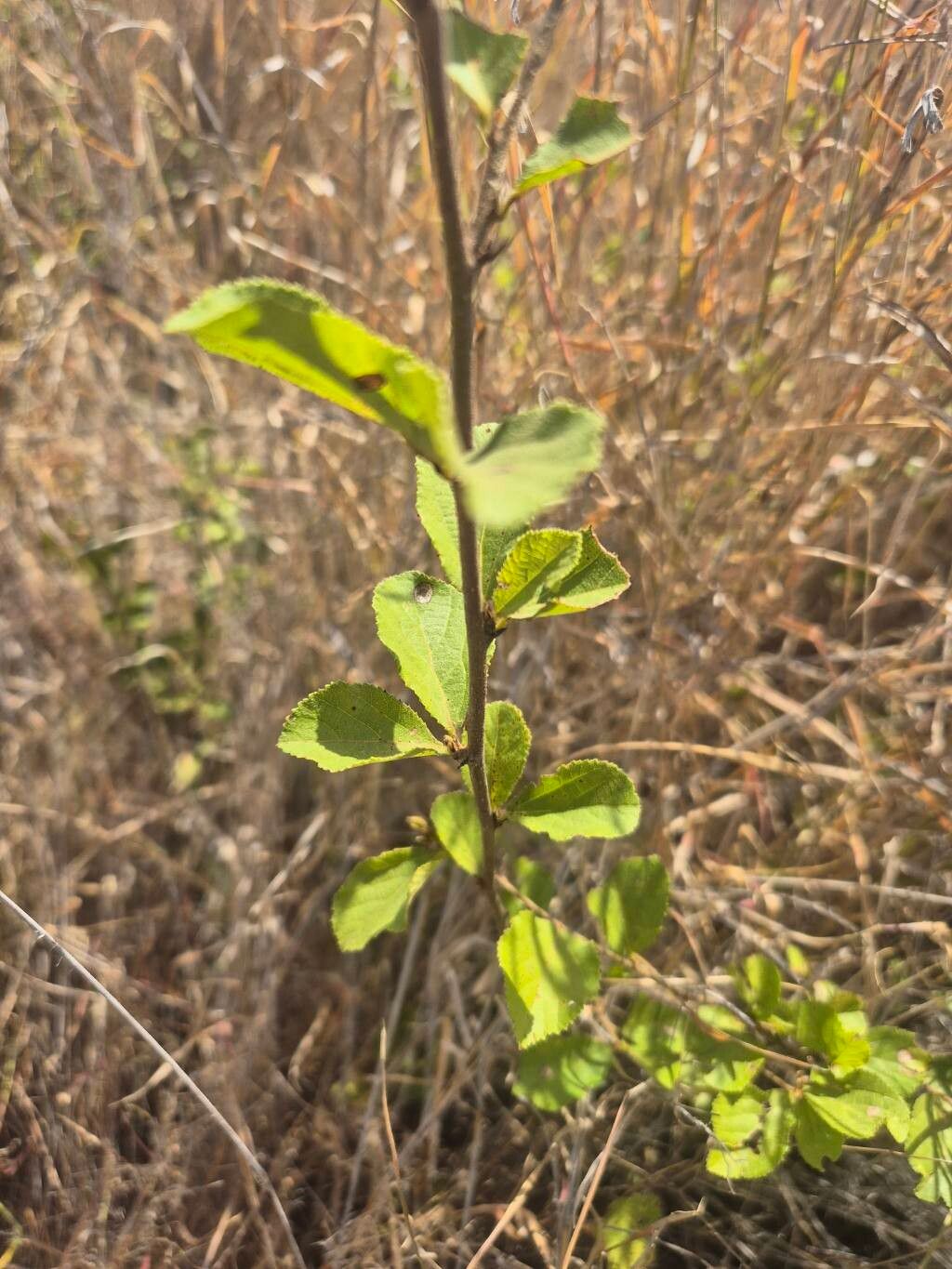
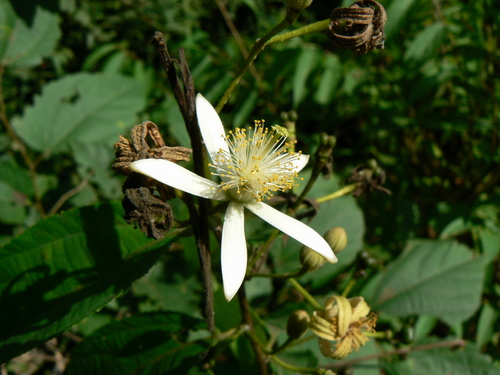
Abutilon x hybridum
Voss.
iNaturalist· cc-by-nc
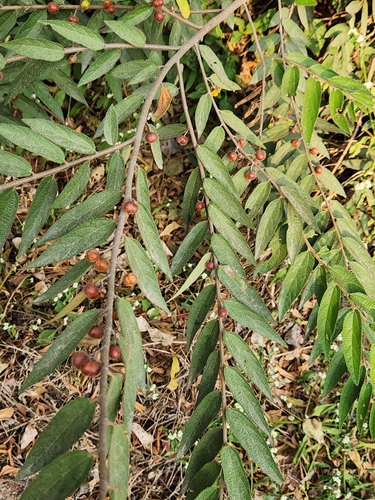
(c) graham_g, some rights reserved (CC BY-NC)
iNaturalist· cc-by-nc
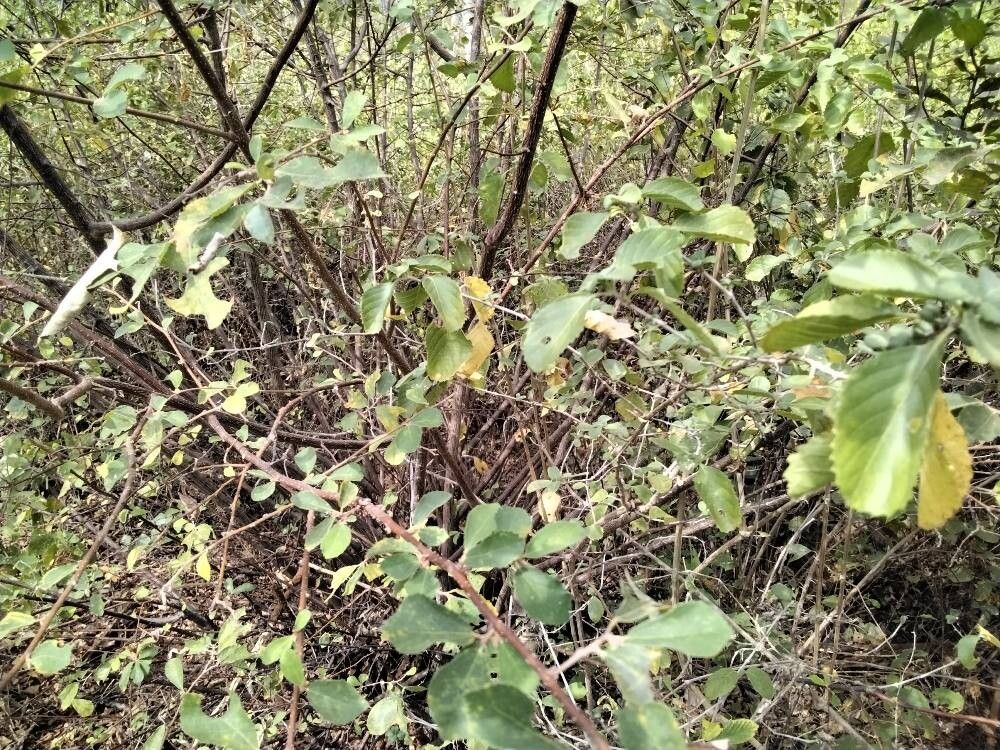
(c) Leena, some rights reserved (CC BY-NC)
iNaturalist· cc-by-nc
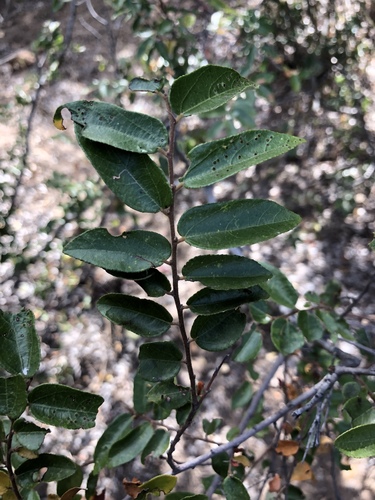
(c) Leena, some rights reserved (CC BY-NC)
Summary
Source: WikipediaAn evergreen shrub reaching 3 m tall and wide at a fast growth rate, hardy to UK zone 8. Year-round foliage with flowers from May to June. Hermaphroditic flowers. Tolerates light sandy, medium loamy, and heavy clay soils with mildly acid to mildly alkaline pH. Grows in semi-shade or full sun and prefers consistently moist soil.
Description
A shrub or small tree. It grows 5 m tall. There are prickles along the stem. The leaves are twice divided and there are 8-18 pairs of pinnae. There are up to 50 pairs of pinnules on each pinnae. The flowers are yellow. They are in large clusters at the ends of branches. The pods are flattened.
Edible Uses
The flowers can be eaten raw or cooked and have a delicious sweet flavour, making them excellent on their own or as part of a mixed salad. Because the flowers continuously produce nectar while open, plants grown indoors away from pollinating insects will yield progressively sweeter flowers the longer each bloom remains open.
Traditional Uses
The flowers are eaten raw or cooked.
This uses section is brief — help expand it
Medicinal Uses
None known
Distribution
It is a temperate plant. It can grow in a range of soils. It can grow in sun or light shade. It is best in moist soils. It suits hardiness zone 8.
Propagation
Sow seed in spring in a greenhouse; germination should occur within a few weeks. Once seedlings are large enough to handle, prick out into individual pots and grow on for at least the first winter under glass before planting out in late spring or early summer after the last expected frosts. Note that as a hybrid, seedlings will not come true from seed. Cuttings of young shoots taken in June can be rooted in a frame, overwintered in the greenhouse, and planted out the following spring after frosts have passed. Cuttings of half-ripe wood taken in July or August in a frame can be treated the same way.
Other Uses
No known uses. Suitable for espalier training.
Production
It grows quickly.
Notes
It is an unresolved name in The Plant List.
References (1)
- Plants for a Future database, The Field, Penpol, Lostwithiel, Cornwall, PL22 0NG, UK. http://www.pfaf.org