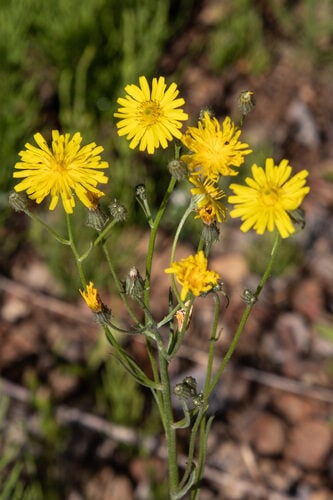
Parthenium integrifolium
L.
iNaturalist· cc-by-nc
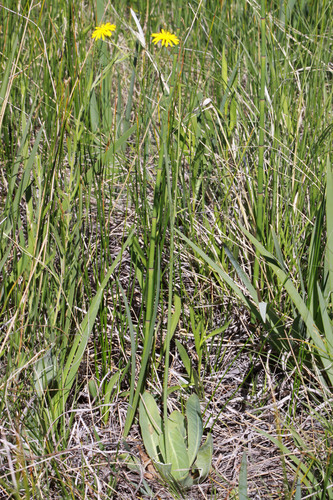
(c) distortedapricot, some rights reserved (CC BY-NC)
iNaturalist· cc-by-nc
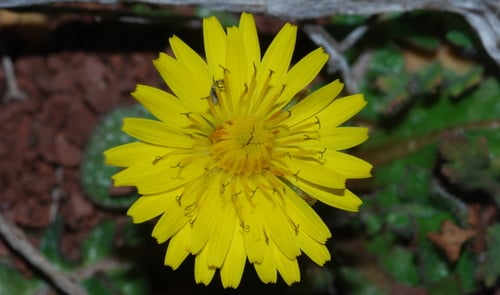
(c) distortedapricot, some rights reserved (CC BY-NC)
iNaturalist· cc-by-nc
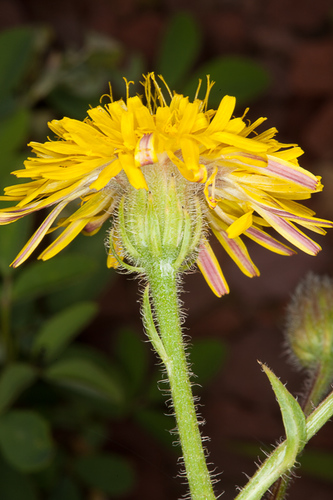
(c) joelmc, some rights reserved (CC BY-NC)
Summary
Source: WikipediaParthenium integrifolium is a species of flowering plant in the family Asteraceae known by the common names wild quinine, common wild quinine, American feverfew, and eastern feverfew. It is native to the eastern and midwestern United States.
Description
A perennial growing to 1 m tall, hardy to UK zone 3. Flowers from July to August with hermaphroditic blooms pollinated by insects. Adapts to light sandy, medium loamy, and heavy clay soils with good drainage across mildly acidic to basic pH ranges. Requires full sun and tolerates both dry and moist soils with good drought resistance.
Edible Uses
None known
Medicinal Uses
A poultice made from fresh leaves is applied to burns. The root is used to treat inflammation of the urinary passages and kidneys, amenorrhoea, and as a lithontripic. The flowering tops serve as a substitute for quinine in treating intermittent fevers. One study suggests the plant may stimulate the immune system.
Known Hazards
The plant can cause dermatitis or allergies in sensitive people.
Distribution
It is a cool temperate plant. It suits hardiness zone 4.
Where It Grows
USA,
Cultivation
Requires a position in full sun in a well-drained soil. Thick or swollen - fibrous or tap root.
Propagation
Seed - we have no information for this species but suggest sowing the seed in spring in a greenhouse. When they are large enough to handle, prick the seedlings out into individual pots and grow them on in the greenhouse for at least their first winter. Plant them out into their permanent positions in late spring or early summer, after the last expected frosts. Division in spring.
Other Uses
None known
References (1)
- Jackes, D. A., Edible Forest Gardens