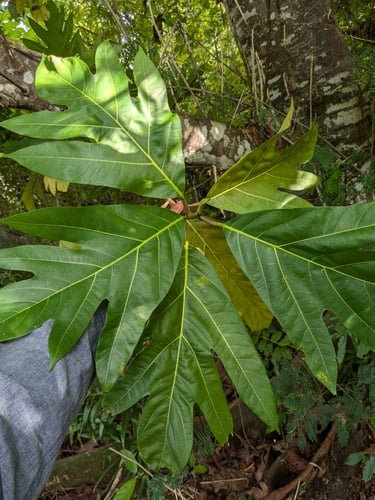
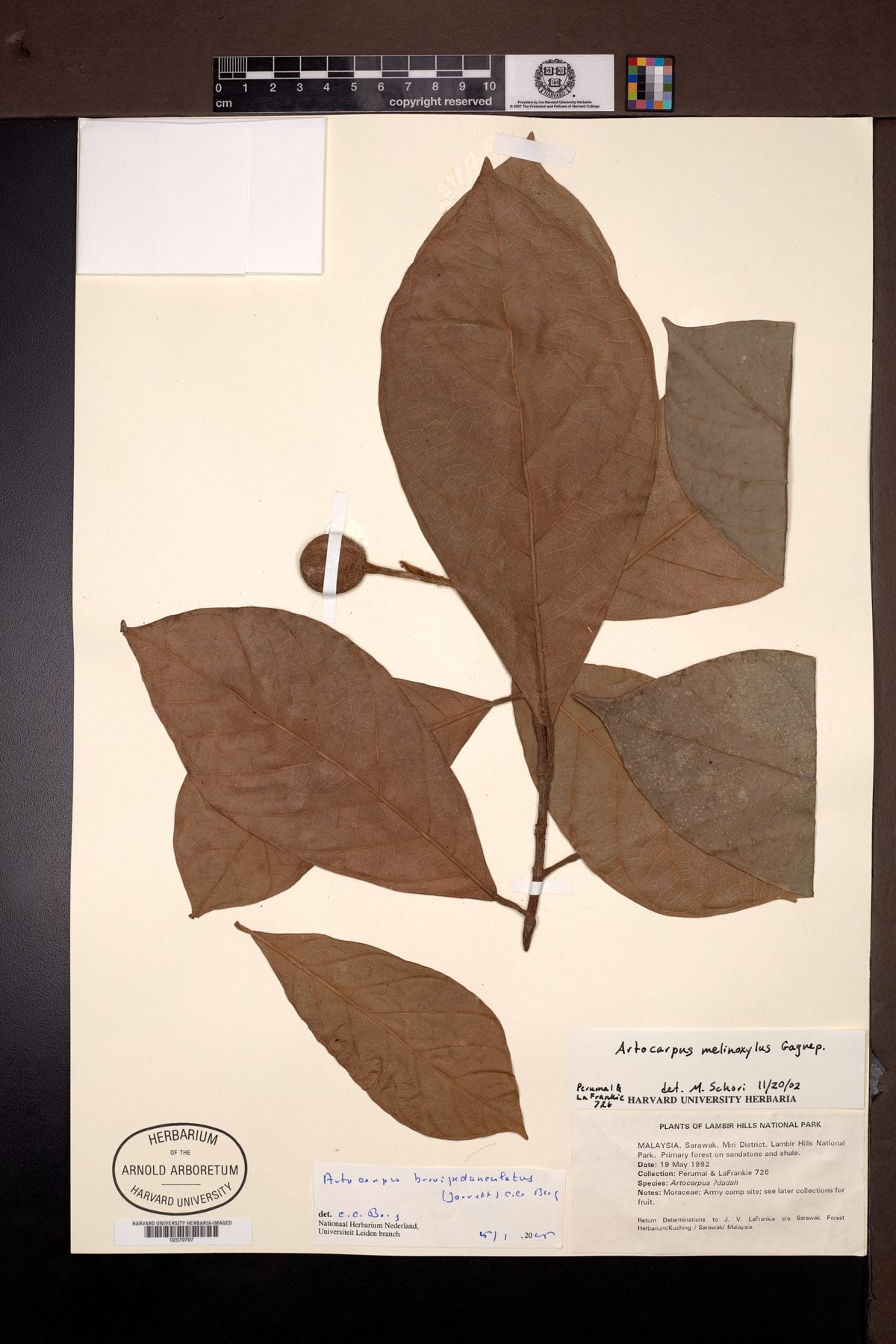
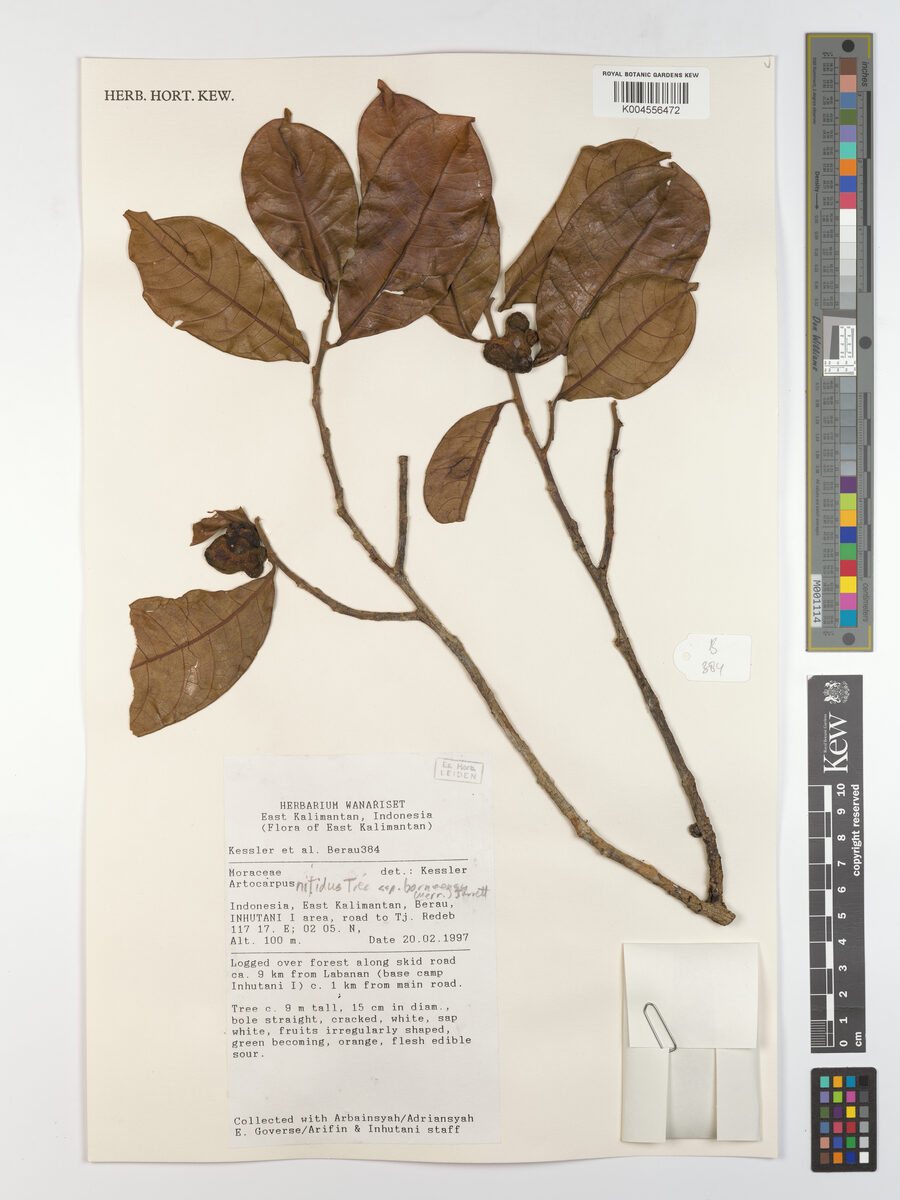
Cudrania tricuspidata
(Carriere) Bureau ex Lavellee
Silk-worm thorn
iNaturalist· cc-by-nc
(c) 明悦, some rights reserved (CC BY-NC)
iNaturalist· cc-by-nc
(c) 明悦, some rights reserved (CC BY-NC)
iNaturalist· cc-by-nc
(c) 明悦, some rights reserved (CC BY-NC)
Summary
A deciduous tree reaching 6m tall and 6m wide at slow growth rate. Hardy to UK zone 7. Dioecious species flowering in July; both male and female plants required for seed production. Not self-fertile. Prefers light and medium soils with good drainage, tolerating mildly acid, neutral, and basic pH. Requires full sun and moist soil; cannot tolerate shade.
Description
A deciduous tree reaching 6m tall and 6m wide at slow growth rate. Hardy to UK zone 7. Dioecious species flowering in July; both male and female plants required for seed production. Not self-fertile. Prefers light and medium soils with good drainage, tolerating mildly acid, neutral, and basic pH. Requires full sun and moist soil; cannot tolerate shade.
Edible Uses
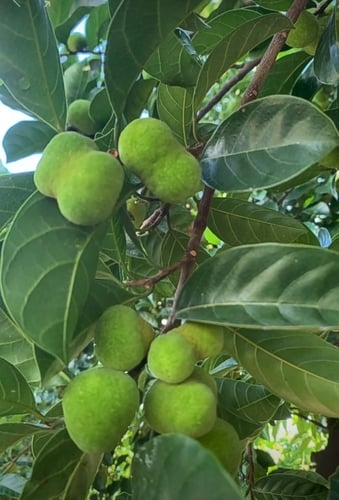
The fruit can be eaten fresh or preserved. It is somewhat like a mulberry — firm and relatively tasteless when not fully ripe, becoming sub-acid to sweet when soft-ripe, and in some forms quite delicious. It contains numerous large seeds and is around 25mm in diameter. Leaves are used as a famine food.
Traditional Uses
The fruit is used in brewing.
This uses section is brief — help expand it
Medicinal Uses
An infusion of the wood is used to treat sore or weak eyes. The inner bark and wood are used in the treatment of malaria, debility, and menorrhagia. The root is galactogogue and is also used in treating amenorrhoea. The plant is used to eliminate blood stasis and stimulate circulation in cancer of the alimentary system, blood, and lungs.
Distribution
It is a warm temperate plant. It suits hardiness zones 5-9.
Where It Grows
Asia, Britain, Europe, Korea, North America, USA,
Propagation
Seed is best sown as soon as ripe in a cold frame; stored seed can be sown in early spring in a cold frame. When large enough to handle, prick seedlings into individual pots and grow on in the greenhouse for at least their first winter. Plant out into permanent positions in late spring or early summer, after the last expected frosts. Cuttings of half-ripe wood can be taken in July or August in a frame. Cuttings of mature wood can be taken in November and rooted in sandy soil in a frame.
Other Uses
A yellow dye is obtained from the wood. The bark fibres are used for making paper. The wood is finely grained and used for utensils.
Notes
It is an unresolved name in The Plant List.
Also Known As
Che, Khujuppongnamu
References (3)
- Hwang, H., et al, 2013, A Study on the Flora of 15 Islands in the Western Sea of Jeollanamdo Province, Korea. Journal of Asia-Pacific Biodiversity Vol. 6, No. 2 281-310
- Jackes, D. A., Edible Forest Gardens
- Song, M., et al, 2013, Traditional knowledge of wild edible plants in Jeju Island, Korea. Indian Journal of Traditional Knowledge. 12(2) pp 177-194