Clitoria mariana
L.
iNaturalist· cc-by-nc
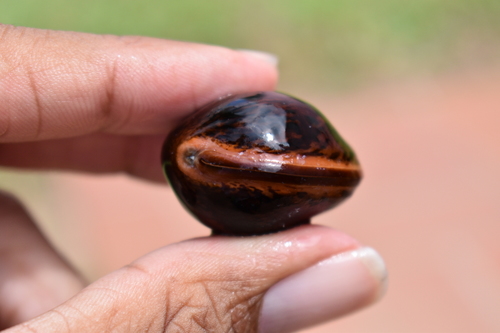
(c) Ezra, some rights reserved (CC BY-NC), uploaded by Ezra
iNaturalist· cc-by-nc
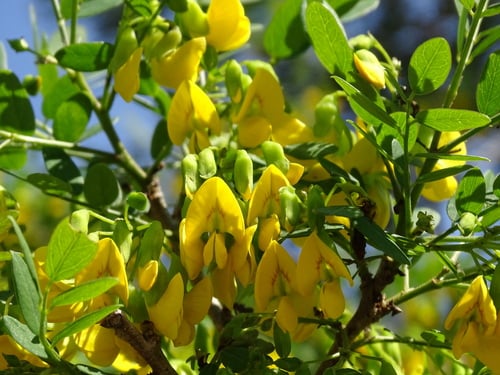
(c) Ezra, some rights reserved (CC BY-NC), uploaded by Ezra
iNaturalist· cc-by-sa
(c) Douglas Goldman, some rights reserved (CC BY-SA), uploaded by Douglas Goldman
Summary
Source: WikipediaClitoria mariana, known by the common names butterfly pea and Atlantic pigeon wings, is a perennial herbaceous plant in the pea family, Fabaceae. The plant is native to the United States.
Description
A herb. It grows 45-60 cm tall. The leaves have 3 leaflets along the stalk. They are narrowly oval and 3-11 cm long by 2-5 cm wide. The flowers usually occur singly in the axils of leaves. They are light blue or purple. The pods are narrow and 3-10 cm long by 1 cm wide. There is a beak at the end. There can be 2 to many seeds.
Edible Uses
No edible uses are known for this plant.
Traditional Uses
Poisonous
This uses section is brief — help expand it
Medicinal Uses
The roots and seeds have been used medicinally, including as an aphrodisiac based on the ancient doctrine of signatures, though this has not been confirmed.
Known Hazards
Parts of the plant are poisonous. No further information given.
Distribution
It is a temperate plant. In southern China it grows in forests between 100-2,000 m above sea level. It grows in hardiness zones 6-9.
Where It Grows
Asia, Bhutan, Cambodia, China, Himalayas, India, Indochina, Laos, Myanmar, North America, SE Asia, Thailand, USA, Vietnam,
Cultivation
A temperate perennial forb. Stems are erect to reclining or trailing, to 1.2m, glabrous to sparsely pubescent with short, fine, curved hairs. It is a twining vine and not a climbing vine so is often found growing along the ground. In southern China it grows in forests between 100-2,000m above sea level. It grows in hardiness zones 6-9. Light Requirement: Sun, Part Shade. Preferred soil: Dry and Sandy. Bloom Color: Pink , Blue. Bloom Time: Jun to Aug. Herbaceous. Growth habit is a single or multiple shooting vine from a crown.
Propagation
Seed.
Other Uses
Functions as a nitrogen fixer, making it a useful addition to food forest systems.
Synonyms
Also Known As
Biec tim, Taw-peik-san, Taw-pesein
References (1)
- Jackes, D. A., Edible Forest Gardens