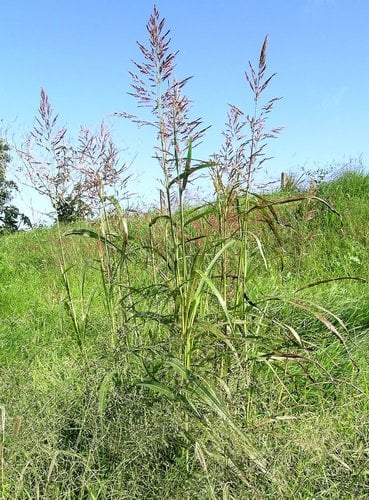
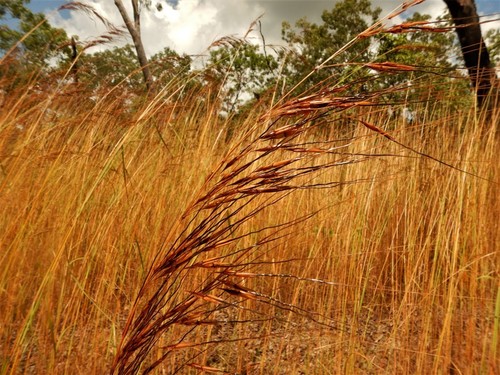
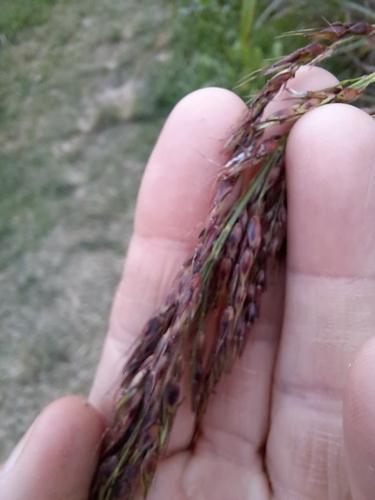
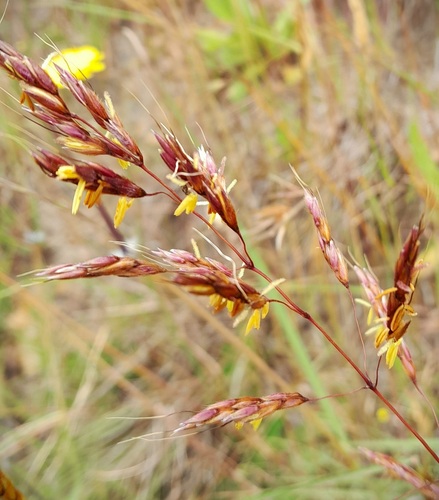
Arundinaria gigantea subsp. tecta
(Walter) McClure
Switch cane bamboo, Small cane
gbif· cc-by-nc
Old Dominion University Herbarium (ODU-)
gbif· cc-by-nc
Old Dominion University Herbarium (ODU-)
gbif· cc-by-nc
Old Dominion University Herbarium (ODU-)
Summary
Source: WikipediaArundinaria gigantea is a species of bamboo known as giant cane (not to be confused with Arundo donax), river cane, and giant river cane. It is endemic to the south-central and southeastern United States as far west as Oklahoma and Texas and as far north as New York. Giant river cane was economically and culturally important to indigenous people, with uses including as a vegetable and materials for construction and craft production. Arundinaria gigantea and other species of Arundinaria once grew in large colonies called canebrakes covering thousands of acres in the southeastern United States, but today these canebrakes are considered endangered ecosystems.
Description
A bamboo in the Poaceae family growing 2-3 m tall, found in temperate regions and suited to hardiness zones 5-9.
This description is brief — help expand it
Edible Uses
The shoots are edible.
Distribution
It is a temperate plant. It suits hardiness zones 5-9.
Where It Grows
North America, USA*,
Synonyms
References (2)
- Jackes, D. A., Edible Forest Gardens
- Tozer, F., 2007, The Uses of Wild Plants. Green Man Publishing. p 38