Castanopsis formosana
(Skan) Hayata
Taiwan chestnut
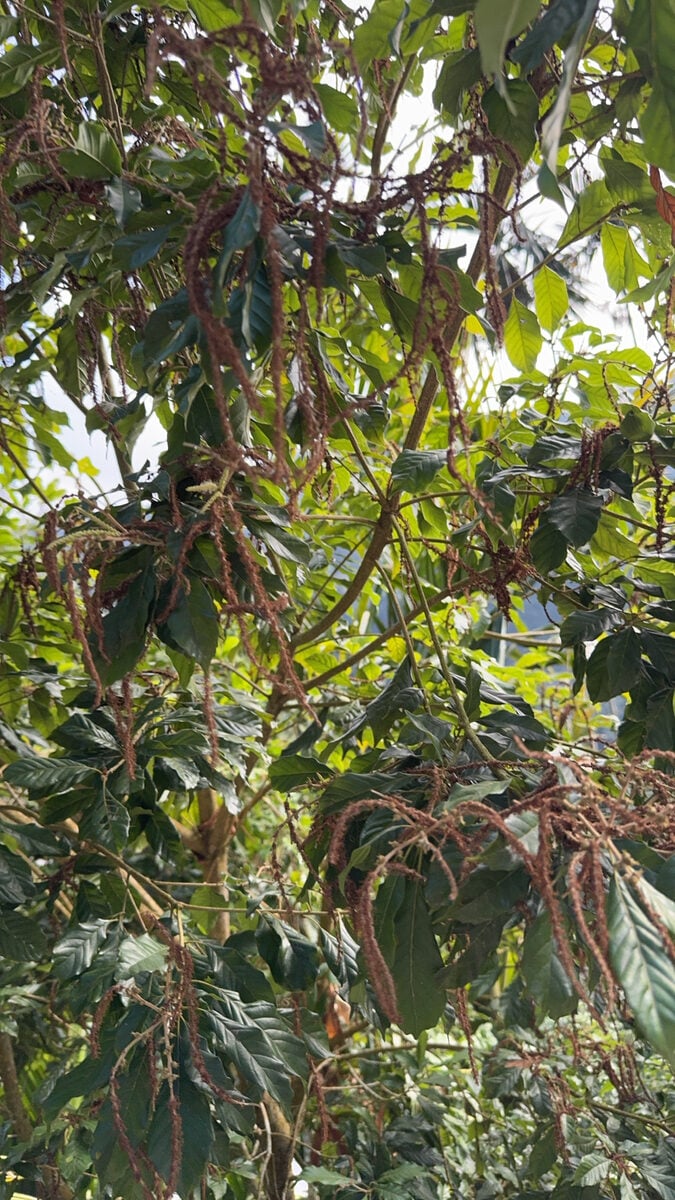
iNaturalist· cc-by
(c) 呂一起(Lu i-chi), some rights reserved (CC BY), uploaded by 呂一起(Lu i-chi)
iNaturalist· cc-by-nc
(c) 吳佳蓉, some rights reserved (CC BY-NC)
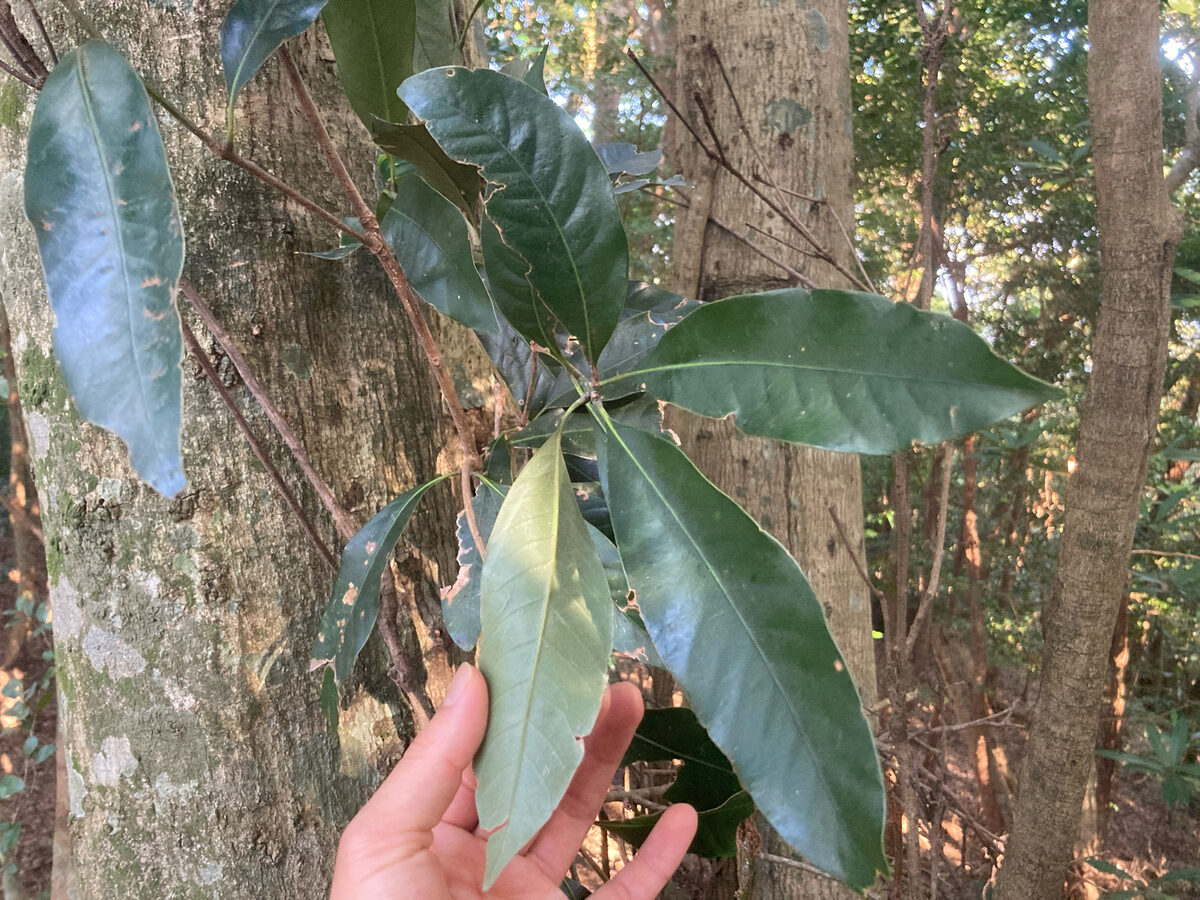
iNaturalist· cc-by-nc
(c) 灶馬, some rights reserved (CC BY-NC), uploaded by 灶馬
Description
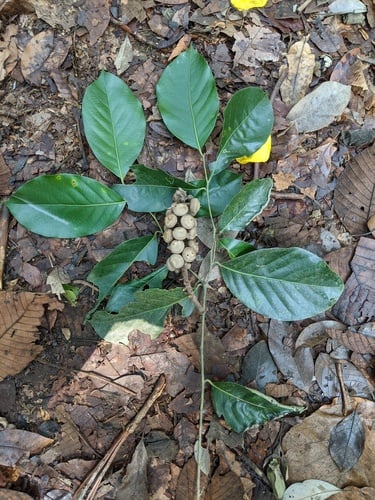
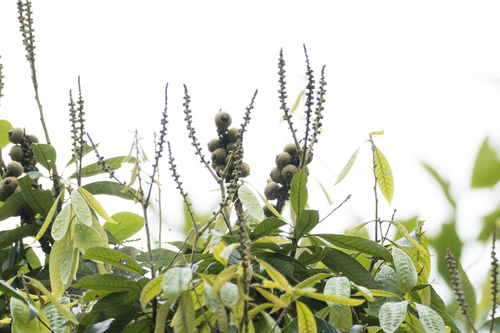
An evergreen tree. It grows to 25 m tall. The trunk is 60 cm across. The leaves are narrowly sword shaped and 8-10 cm long by 3-4 cm wide. The leaves are silvery grey underneath. The flowers are small. The male and female flowers are separate. The fruit is a solitary nut. It is 1.5 cm long by 1.2 cm wide.
Edible Uses
The seeds and nuts are eaten.
Traditional Uses
The seed are eaten.
This uses section is brief — help expand it
Distribution
A tropical plant. It grows in tropical evergreen broad-leaved forest. It grows below 500-600 m altitude.
Where It Grows
Asia, China, Indochina, SE Asia, Vietnam,
Notes
There are about 120 Castanopsis species. Many have edible nuts.
Synonyms
Also Known As
Ca oi dai loan
References (3)
- Altschul, S.V.R., 1973, Drugs and Foods from Little-known Plants. Notes in Harvard University Herbaria. Harvard Univ. Press. Massachusetts. no. 640
- Forest Inventory and Planning Institute, 1996, Vietnam Forest Trees. Agriculture Publishing House p 259
- Hu, Shiu-ying, 2005, Food Plants of China. The Chinese University Press. p 343