Castanopsis carlesii
(Hemsley) Hayata
Lesser red castanopsis
iNaturalist· cc-by-nc
(c) Wolli Huang, some rights reserved (CC BY-NC)
iNaturalist· cc-by-nc-sa
(c) mutolisp, some rights reserved (CC BY-NC-SA)
iNaturalist· cc-by-nc
(c) leehsueh, some rights reserved (CC BY-NC)
Description
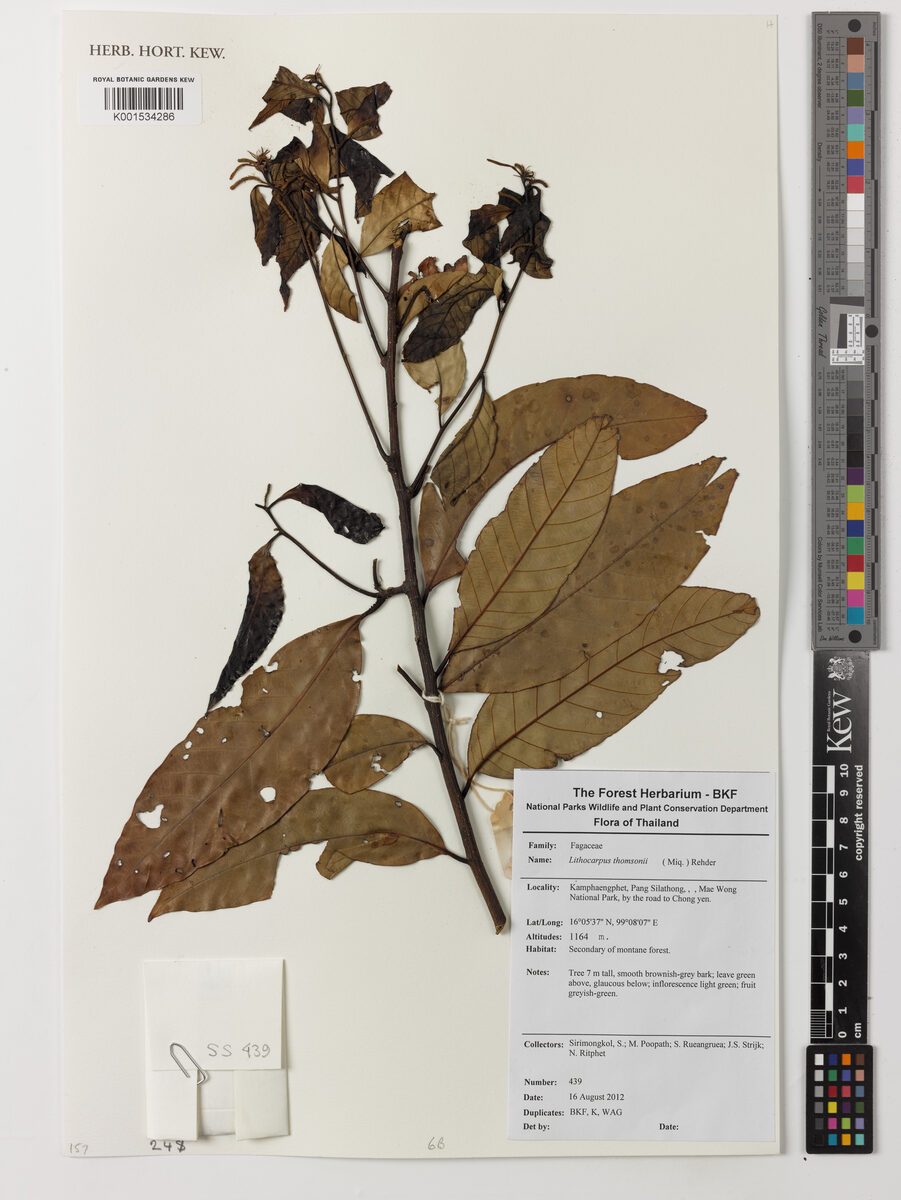
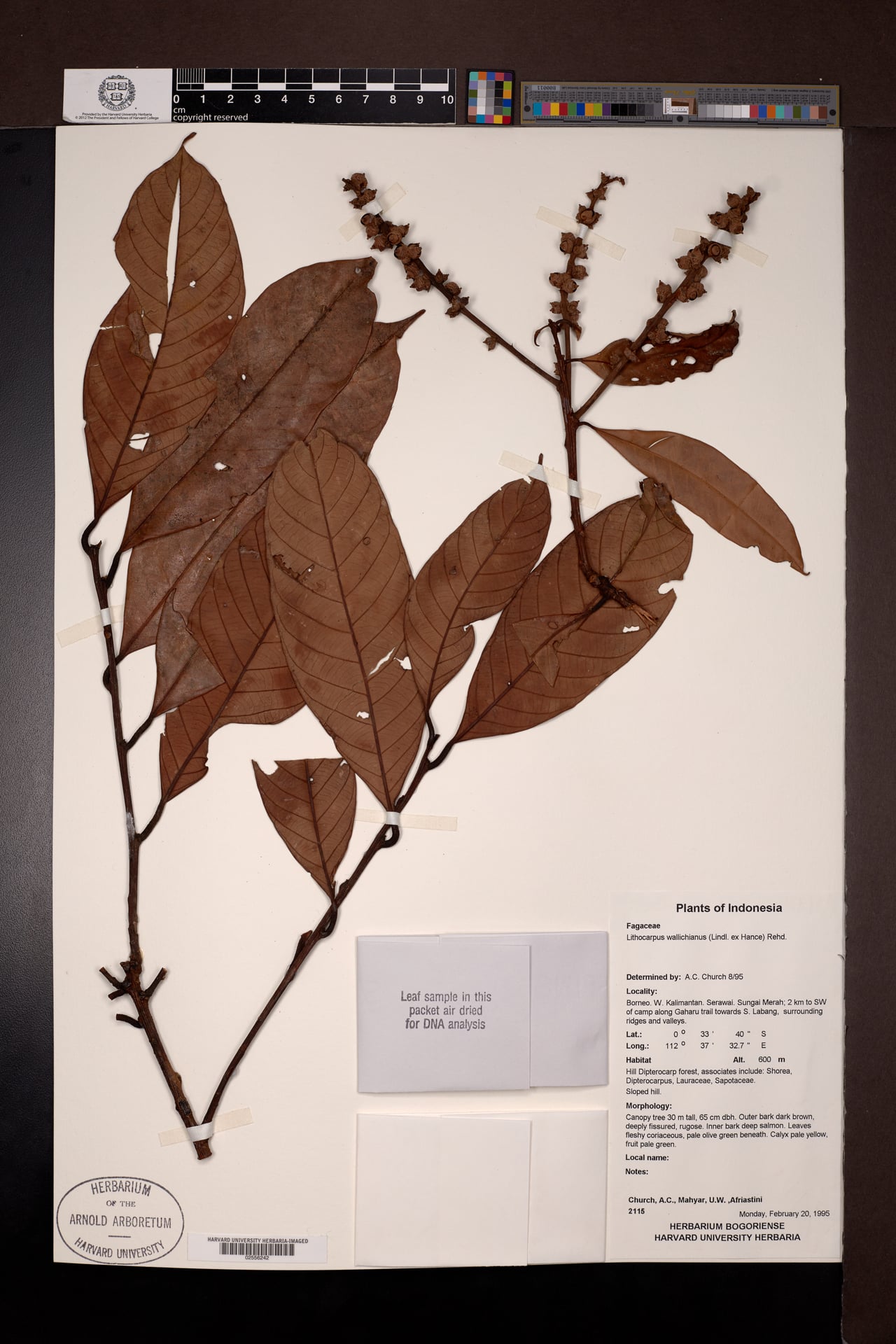
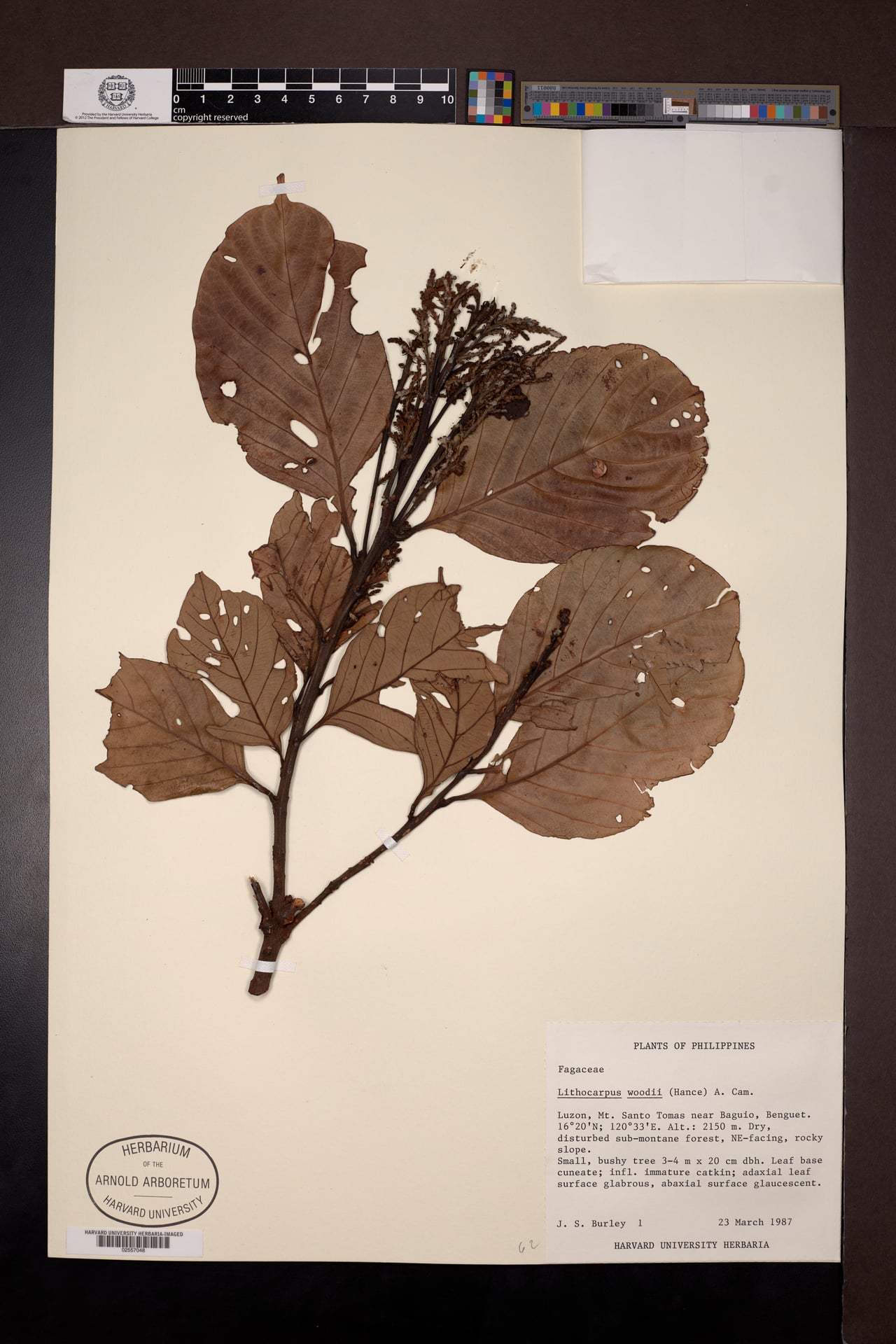
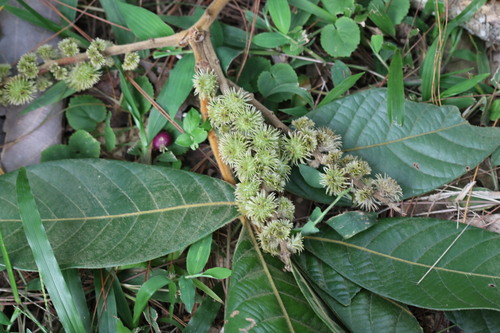
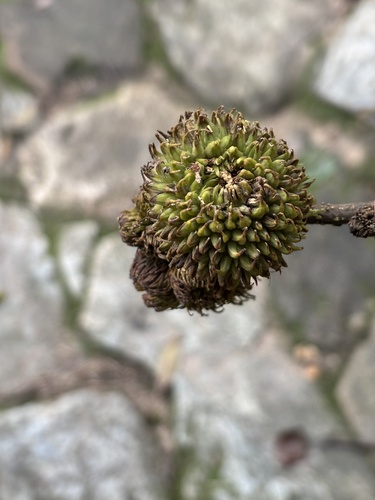
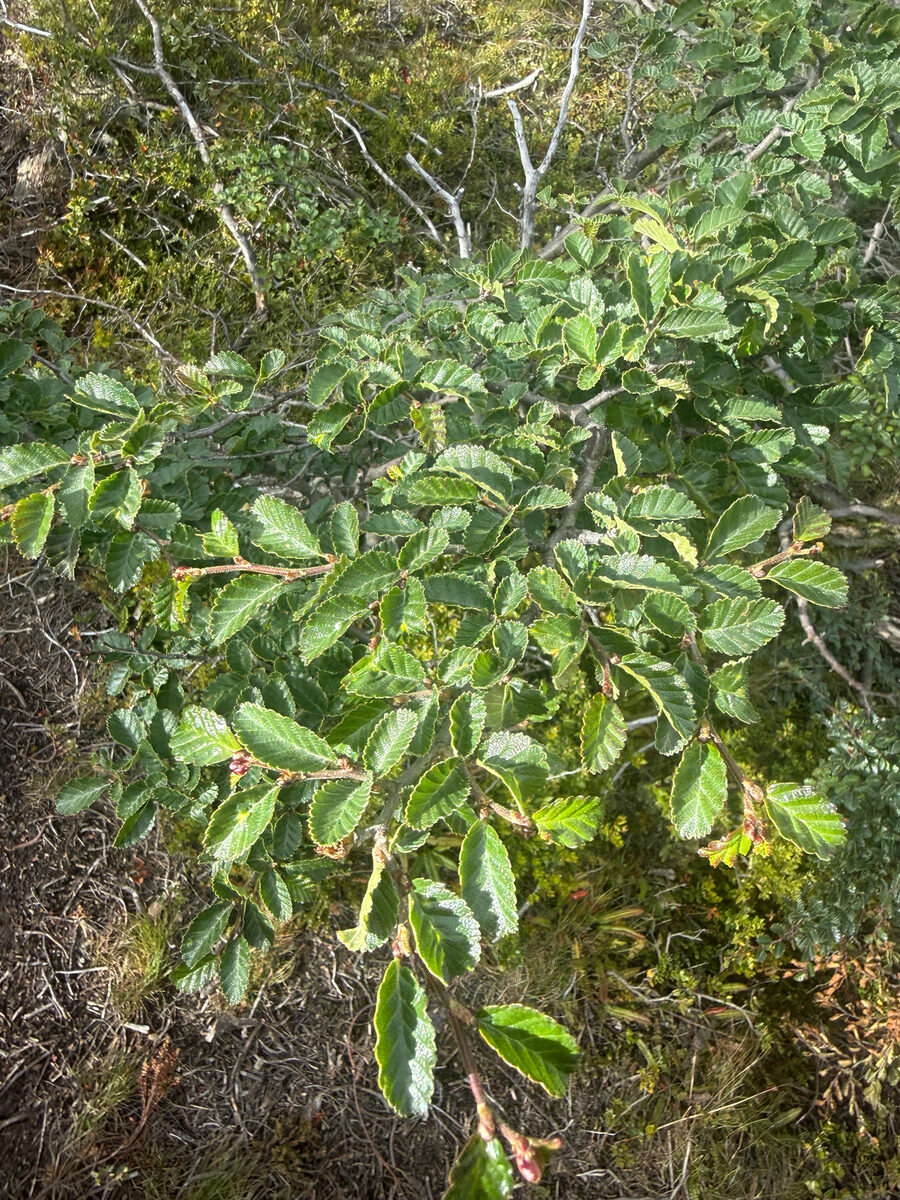
An evergreen medium sized tree. It grows 15-20 m high. The trunk is 30-35 cm across. The leaf blade is sword shape and 4-12 cm long by 1-4.5 cm wide. It is leathery. There are 8-13 side veins on each side of the main vein. The cup is oval and 1-1.5 cm across. The outside is yellowish brown with felt like hairs. The nut is round to cone shaped.
Edible Uses
The nuts are edible raw or roasted. The seeds contain edible starch.
Traditional Uses
The seeds contain edible starch. The nuts are edible raw. They are roasted and eaten.
This uses section is brief — help expand it
Distribution
A tropical plant. It grows 700-1300 m altitude. In China it grows in mixed and broad leafed evergreen forest below 1700 m altitude.
Where It Grows
Asia, China, Indochina, SE Asia, Taiwan, Vietnam,
Production
The tree is slow growing.
Notes
There are about 120 Castanopsis species. Many have edible nuts.
Synonyms
Also Known As
Ca oi nho, Mi zhui
References (5)
- Forest Inventory and Planning Institute, 1996, Vietnam Forest Trees. Agriculture Publishing House p 253
- Hu, Shiu-ying, 2005, Food Plants of China. The Chinese University Press. p 341
- Icon. pl. formos. 6(suppl.):72. 1917
- Luo, B., et al, 2019, Wild edible plants collected by Hani from terraced rice paddy agroecosystem in Honghe Prefecture, Yunnan, China. Journal of Ethnobiology and Ethnomedicine 15:56 (As var. spinulosa
- Reis, S. V. and Lipp, F. L., 1982, New Plant Sources for Drugs and Foods from the New York Botanical Garden herbarium. Harvard. p 38