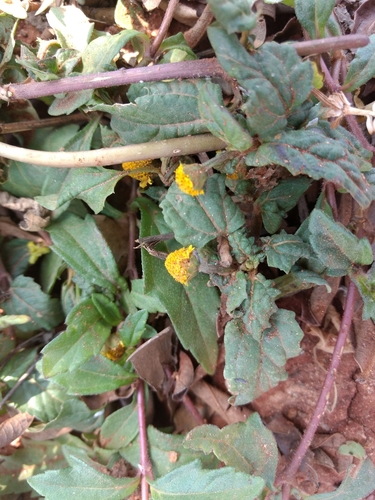
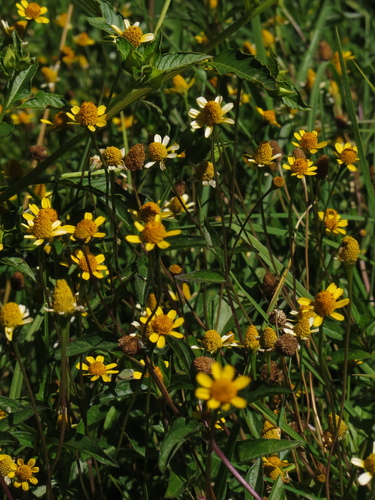
Vernonia noveboracensis
(L.) Michx.
iNaturalist· cc-by-nc-sa
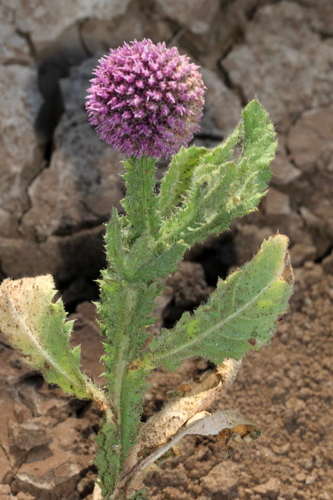
(c) Jenn, some rights reserved (CC BY-NC-SA), uploaded by Jenn
iNaturalist· cc-by-nc
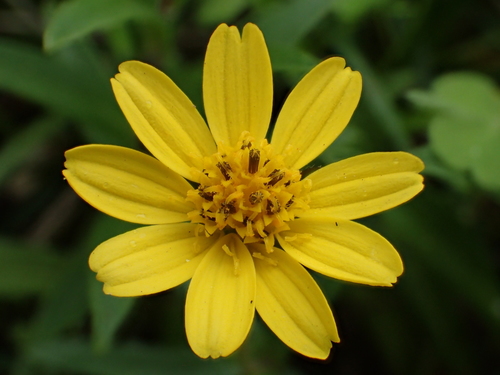
(c) augochlora, some rights reserved (CC BY-NC)
Summary
Source: WikipediaVernonia noveboracensis, the New York ironweed or vein-leaf hawkweed, is a plant in the family Asteraceae. It is native to the eastern United States, from Florida to Massachusetts and west to Tennessee, Alabama, and West Virginia and to southern Ontario.
Description
Vernonia noveboracensis is a hardy perennial reaching 2 meters tall and 1 meter wide at medium pace, hardy to UK zone 5. The narrow, tall plant noted for attracting wildlife suits light sandy, medium loamy, or heavy clay well-drained soils with mildly acid to neutral pH. It requires full sun, tolerates dry or moist soil, and works well as background planting in borders, cottage gardens, wildflower gardens, or naturalized meadows.
Edible Uses
None known.
Medicinal Uses
None known.
Distribution
It is a temperate plant. It suits hardiness zones 4-8.
Where It Grows
USA,
Propagation
Seed — sow in fall or provide cold stratification before sowing, as germination rates are usually low. Propagation is also possible from softwood cuttings taken in late spring or by division of clumps. Seed should be collected 3–4 weeks after the blooming period and stored dry in sealed, refrigerated containers.
Other Uses
The plant provides nectar and pollen for beneficial insects. The flowers attract butterflies and the seed heads attract birds. As a tall, narrow plant it is suited for the back of a border or tight spaces, and works well in cottage gardens, wildflower gardens, meadows, or naturalized areas.
Synonyms
References (2)
- INFOODSUpdatedFGU-list.xls
- Jackes, D. A., 2007, Edible Forest Gardens