Ericameria nauseosa var. graveolens
(Nutt.) Reveal & Schuyler
Chamiso blanco
iNaturalist· cc-by-nc
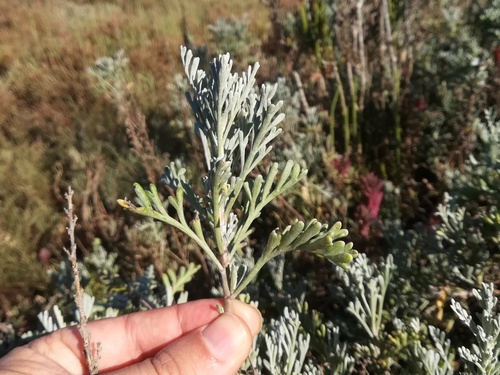
(c) Pete & Gretchen Pederson, some rights reserved (CC BY-NC), uploaded by Pete & Gretchen Pederson
iNaturalist· cc-by-nc
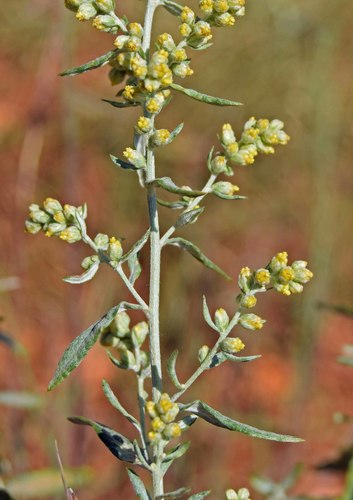
(c) Debbie Spresser, some rights reserved (CC BY-NC), uploaded by Debbie Spresser
iNaturalist· cc-by-sa
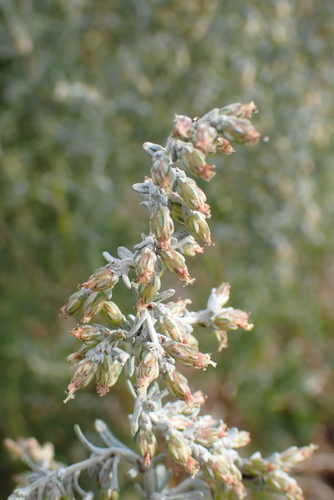
(c) Matt Lavin, some rights reserved (CC BY-SA)
Summary
Source: WikipediaEricameria nauseosa (formerly Chrysothamnus nauseosus), commonly known as chamisa, rubber rabbitbrush, and gray rabbitbrush, is a shrub in the sunflower family (Aster) found in the arid regions of western North America. Two subspecies have been described, consimilis (the green form with 8 varieties) and nauseosa (the gray form with 14 varieties).
Description
A compact evergreen shrub reaching 1.5 m tall with 1 m spread, growing at medium rate and hardy to UK zone 5. Insect-pollinated and attracts wildlife. Prefers light sandy or medium loamy, well-drained soils with poor fertility tolerance. Thrives in neutral to mildly alkaline soils including very alkaline conditions. Requires full sun and handles both drought and variable moisture.
Edible Uses
Gray rabbitbrush (also called chamisa) is of very limited value as a food source and should be approached with caution. The roots are unpalatable — acrid-tasting and starch-free — and are not recommended for eating. The flowers are also acrid and unpleasant, though they can be steeped into a tea; even prepared this way, taste and aroma are poor, and their safety is questionable due to the resins and other compounds present. The seeds are too small and chaffy to eat directly, but can be pounded, boiled, and filtered to produce a thin beverage. This drink is not considered enjoyable but may provide minimal food value in a survival context.
Traditional Uses
The flowers are brewed into a tea.
This uses section is brief — help expand it
Medicinal Uses
None known.
Distribution
It is a temperate plant.
Where It Grows
America, Canada, North America,
Propagation
No specific information is available for this species. It is suggested to sow seed in spring in a greenhouse, barely covering it. Prick seedlings into individual pots once large enough to handle and grow them on under glass for at least their first winter. Plant out in late spring or early summer after the last expected frosts. Cuttings of half-ripe wood can be taken in midsummer and rooted in sand in a frame.
Other Uses
The plant produces latex used in making rubber, though not in sufficient quantity for commercial use. A green dye is obtained from the bark and a yellow-gold dye from the flowers. The stems are used in making wicker plaques. Burning the shrub produces chamisa ash, an alkaline substance historically used by Native American peoples as a leavening agent in cooking — functioning similarly to baking soda or pearl ash — and as a source of additional dietary minerals.
Synonyms
References (3)
- N. L. Britton & A. Brown, Ill. fl. n. U.S. 3:326. 1898
- Facciola, S., 1998, Cornucopia 2: a Source Book of Edible Plants. Kampong Publications, p 36
- MacKinnon, A., et al, 2009, Edible & Medicinal Plants of Canada. Lone Pine. p 143