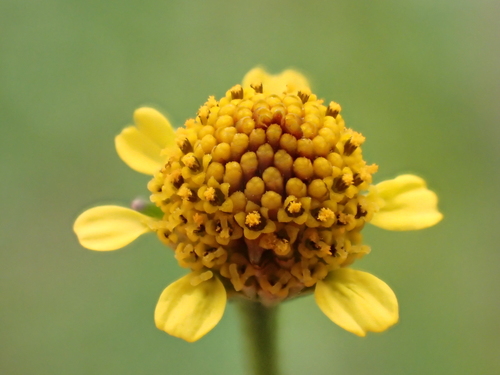
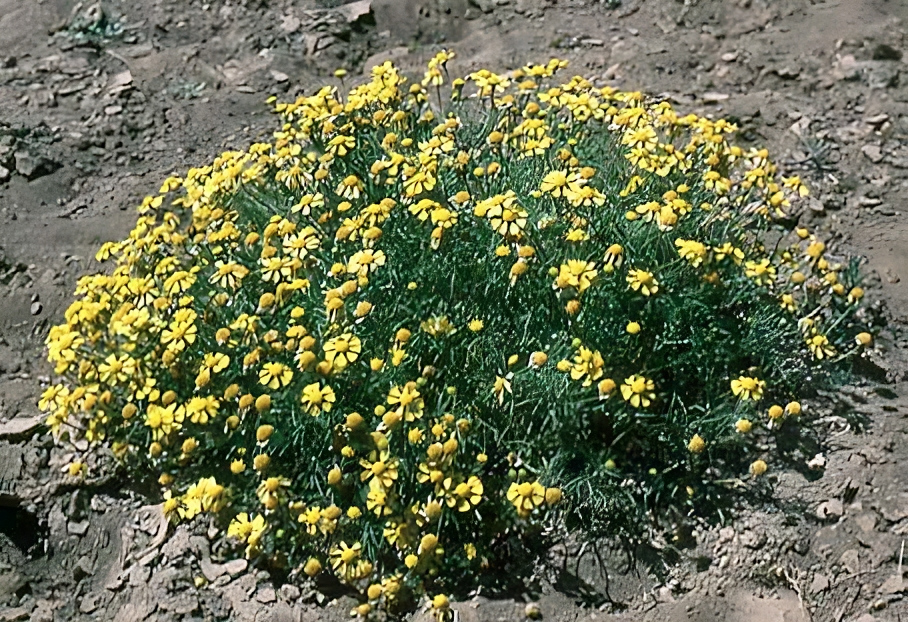
Ericameria nauseosa subsp. consimilis
(Greene) G. L. Nesom & G. I Baird.
iNaturalist· cc-by-nc
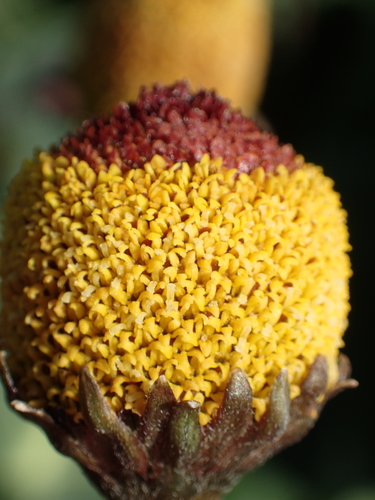
(c) Pete & Gretchen Pederson, some rights reserved (CC BY-NC), uploaded by Pete & Gretchen Pederson
iNaturalist· cc-by-nc
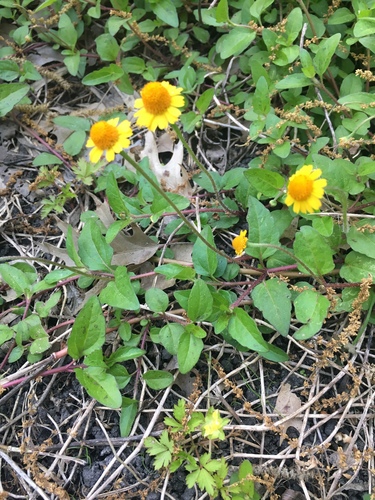
(c) Debbie Spresser, some rights reserved (CC BY-NC), uploaded by Debbie Spresser
iNaturalist· cc-by-sa
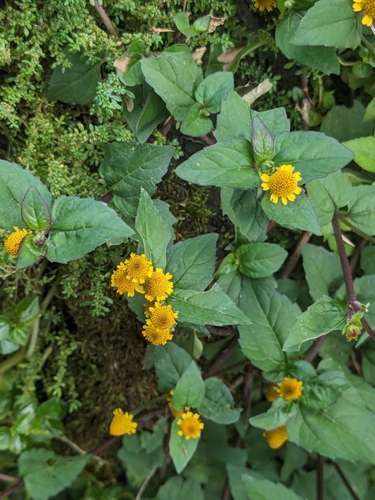
(c) Matt Lavin, some rights reserved (CC BY-SA)
Summary
Source: WikipediaEricameria nauseosa (formerly Chrysothamnus nauseosus), commonly known as chamisa, rubber rabbitbrush, and gray rabbitbrush, is a shrub in the sunflower family (Aster) found in the arid regions of western North America. Two subspecies have been described, consimilis (the green form with 8 varieties) and nauseosa (the gray form with 14 varieties).
Description
A herb.
This description is brief — help expand it
Edible Uses
The Zuni people use the blossoms bigelovii variety of the nauseosa subspecies to make a yellow dye. They use the stems to make baskets. The Navajo also made a yellow dye from some of the flower heads. Native Americans of the southwest would also cook the leaves of the plant with cornmeal to raise the bread.
Distribution
It is a temperate plant.
Where It Grows
North America, USA,
Notes
There are 16 Chrysothamnus species.
Synonyms
References (2)
- Beckstrom-Sternberg, Stephen M., and James A. Duke. "The Foodplant Database." http://probe.nalusda.gov:8300/cgi-bin/browse/foodplantdb.(ACEDB version 4.0 - data version July 1994) (As Chrysothamnus confinis)
- Lim, T. K., Edible Medicinal and Non-Medicinal Plants Volume 7 Flowers