Cuphea hyssopifolia
Kunth.
Mexican false heather
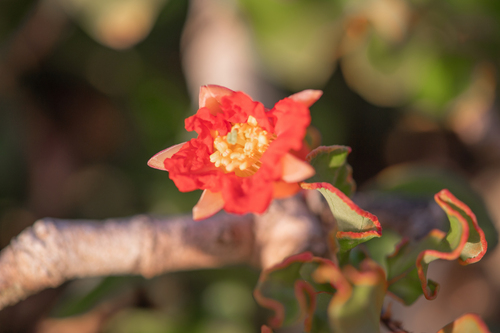
iNaturalist· cc-by-nc-nd
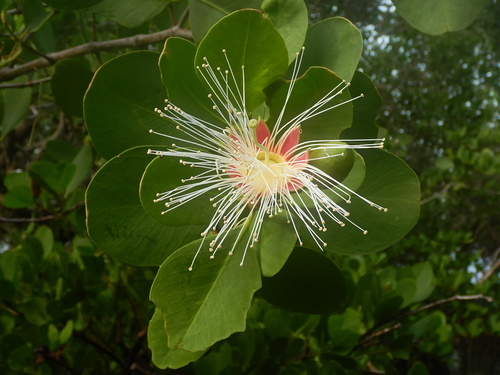
(c) beautifulcataya, some rights reserved (CC BY-NC-ND)
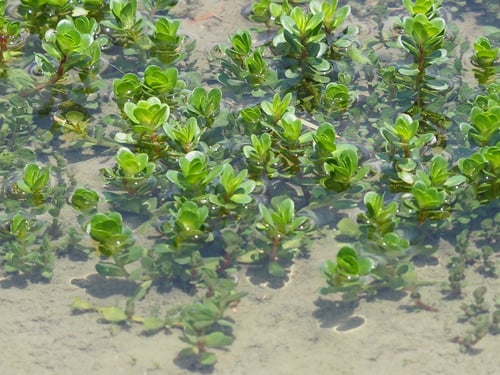
iNaturalist· cc-by-nc
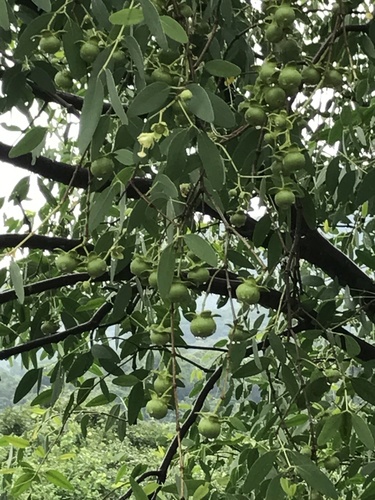
(c) MP Zhou, some rights reserved (CC BY-NC)
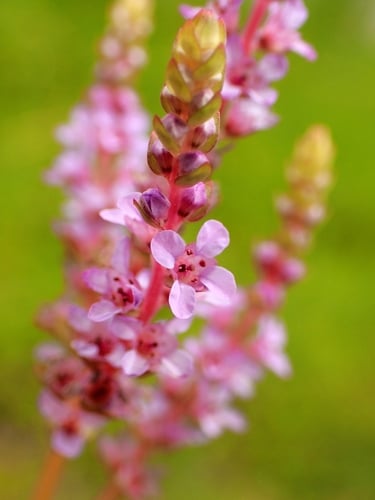
iNaturalist· cc-by-nc
(c) MP Zhou, some rights reserved (CC BY-NC)
Summary
Source: WikipediaCuphea hyssopifolia, the false heather, Mexican heather, Hawaiian heather or elfin herb, is a small evergreen shrub native to Mexico, Guatemala, and Honduras.
Description
A tropical herb in the Lythraceae family with medicinal properties and noted antioxidant content.
This description is brief — help expand it
Edible Uses
The leaves are used medicinally.
Medicinal Uses
The plant has medicinal properties and is rich in antioxidants.
Distribution
It is a tropical plant.
Where It Grows
Asia, Bangladesh, Belize, Bolivia, Central America, Colombia, Cook Is., Costa Rica, Cuba, Dominican Republic, El Salvador, Guatemala, Hawaii, Honduras, Indonesia, Malaysia, Marianas, Mexico, Morocco, Nepal, New Zealand, Nicaragua, North America, Panama, Puerto Rico, Thailand, USA, Venezuela, Winward Is.,
Cultivation
Species in this genus generally prefer a position in full sun, but are tolerant of partial shade. They generally grow best in average, medium moisture, well-drained soils. Often grown as an ornamental, the plant has sometimes escaped from cultivation and become naturalized. It is considered to be invasive in some countries such as New Zealand and Hawaii The seed of Cuphea species is generally a good source of medium length fatty acids, which have a range of industrial and cosmetic applications and can also be used in foods. Several species are being trialled as seed oil crops in temperate zone countries, though they are unlikely to become a commercial crop in the tropics simply because it is so much easier to grow oil crops such as palm oil (Elaeis species) and coconut (Cocos nucifera). This is one of several Central American plants whose habitat is almost wholly confined to large rocks along the edges of usually swift streams. These rocks project above the mean level of the stream, but during times of heavy rain the plants often are covered by rushing water. Most of these plants, obviously, have tough stems that are able to withstand the debris carried by the often rapid currents of water.
Propagation
Seed - can be sown in situ. Germination usually takes a few weeks because of the hard seed coat.
Other Uses
The leaves and flowers of are used as an insecticide. We have no specific information for this species but, although rather small, the seed of Cuphea species is generally a good source of medium length fatty acids. Industrial oils made from these fatty acids have a range of uses, including as a defoaming agent; a booster for soaps and detergents; and in health and beauty products. They can also be used in foods, mostly as vegetable shortenings.
Notes
It has medicinal properties. It is rich in antioxidants.
Synonyms
Also Known As
Elfin herb
References (2)
- INFOODSUpdatedFGU-list.xls
- Kew Plants of the World Online