Stokesia laevis
(Hill) Greene
Stokes aster, Cornflower aster
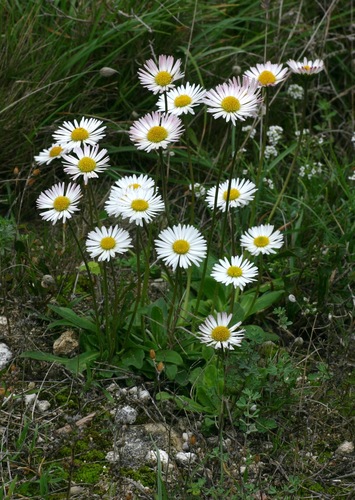
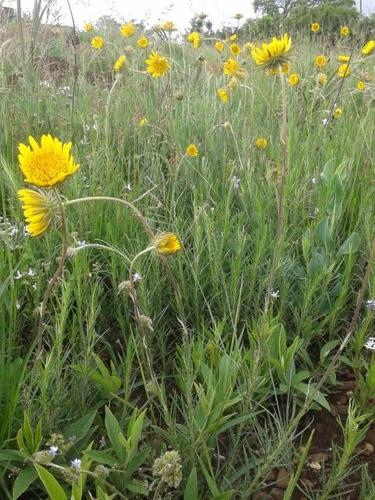
iNaturalist· cc-by
(c) Lauren McLaurin, some rights reserved (CC BY), uploaded by Lauren McLaurin
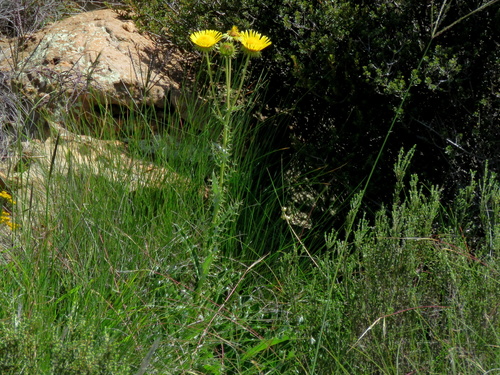
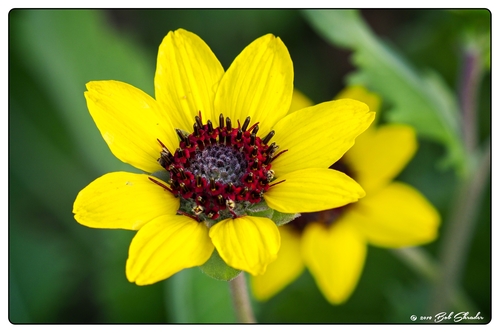
iNaturalist· cc-by-nc
(c) Eric Keith, some rights reserved (CC BY-NC)
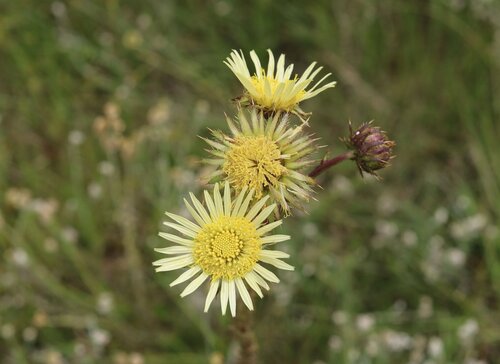
iNaturalist· cc-by-nc
(c) Eric Keith, some rights reserved (CC BY-NC)
Summary
Source: WikipediaStokesia is a monotypic genus of flowering plants in the daisy family, Asteraceae, containing the single species Stokesia laevis. Common names include Stokes' aster and stokesia. The species is native to the southeastern United States. The flowers appear in the summer and are purple, blue, or white in the wild. The plant is cultivated as a garden flower. Several cultivars are available, including the cornflower blue 'Klaus Jelitto', 'Colorwheel', which is white, turning purple over time, and 'Blue Danube', which has a blue flower head with a white center. More unusual cultivars include the pink-flowered 'Rosea' and yellow-flowered 'Mary Gregory'. Like a few other plants (such as some species of Vernonia), it contains vernolic acid, a vegetable oil with commercial applications. The genus is named after Jonathan Stokes (1755–1831), English botanist and physician.
Description
A herb. It keeps growing from year to year. It grows 25-50 cm tall. The leaves are at the base and have stalks. They are 15-20 cm long. The leaves on the stems are smaller and clasp the stems. The stems have 1-4 pale blue flowers. The heads are 8-10 cm across.
Distribution
It is a temperate plant. It grows in coastal plains and wetlands and also savannah.
Where It Grows
Asia, India, Indonesia, North America*, SE Asia, USA*,
Cultivation
Plants can be grown from seeds, cuttings or division.
Synonyms
Also Known As
Aster stokesia
References (2)
- INFOODSUpdatedFGU-list.xls (As Carthamus laevis Hill)
- Sukarya, D. G., (Ed.) 2013, 3,500 Plant Species of the Botanic Gardens of Indonesia. LIPI p 1136