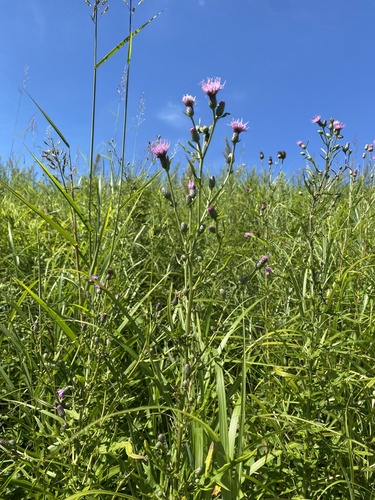
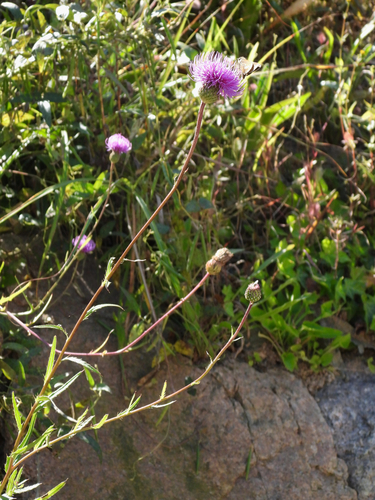
Artemisia laciniata var. genuina
Wall. ex Bess., Pampan.
Dok kaeo mueang cheen, Sagebrush
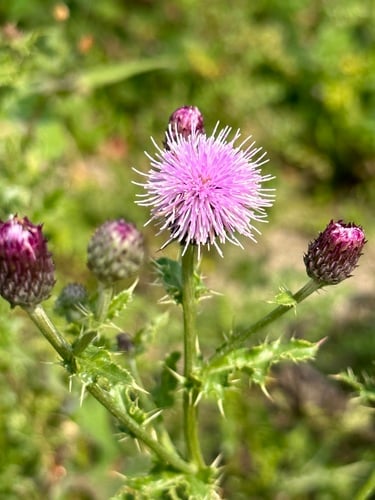
iNaturalist· cc-by-nc
(c) Matt Langemeier, some rights reserved (CC BY-NC), uploaded by Matt Langemeier
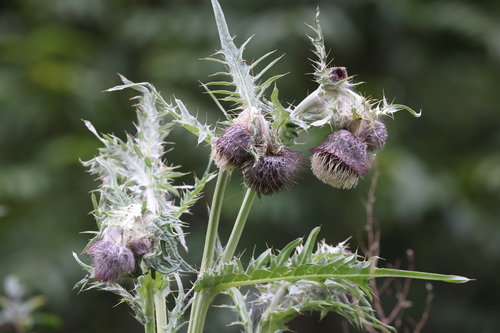
iNaturalist· cc-by-nc
(c) Сергей, some rights reserved (CC BY-NC), uploaded by Сергей
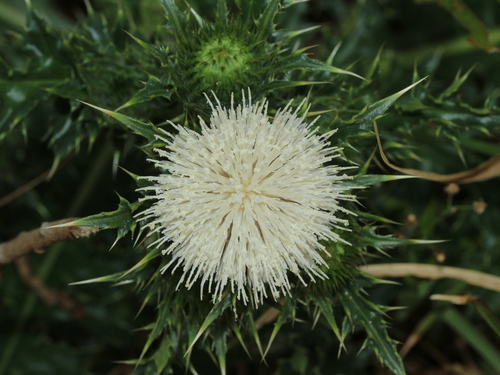
iNaturalist· cc-by-nc
(c) Matt Langemeier, some rights reserved (CC BY-NC), uploaded by Matt Langemeier
Summary
Source: WikipediaArtemisia laciniata is a species of wormwood in the family Asteraceae. Its common name is the Siberian wormwood. It is mostly found in Russia, Alaska, the Yukon, and other parts of the US and Europe.
Description
An erect perennial herb 1-2 m high. The stems are tufted. They have grooves and are somewhat hairy. The leaves are alternate. There a leaflets on opposite sides of this leaf stalk. There are hairs at least on then underside. Leaves are 10-12 cm long. The leaflets are lobed and 3-5 cm long. The flowers are in a loose irregular arrangement. The flowers are small and whitish-yellow. The one celled dry fruit is oblong and 1 mm long. It is brown.
Edible Uses
The leaves are used in soups and also fried as a cooked vegetable.
Traditional Uses
The leaves are used in soups and also fried.
This uses section is brief — help expand it
Distribution
It is a tropical plant.
Where It Grows
Asia, Himalayas, Indochina, SE Asia, Thailand,
Other Information
Plants are sold in markets.
Notes
There are about 300 Artemisia species.
References (2)
- Jacquat, C., 1990, Plants from the Markets of Thailand. D.K. Book House p 90
- Plants for a Future database, The Field, Penpol, Lostwithiel, Cornwall, PL22 0NG, UK. http://www.scs.leeds.ac.uk/pfaf/