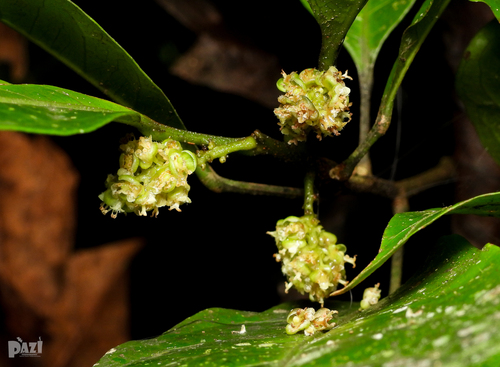
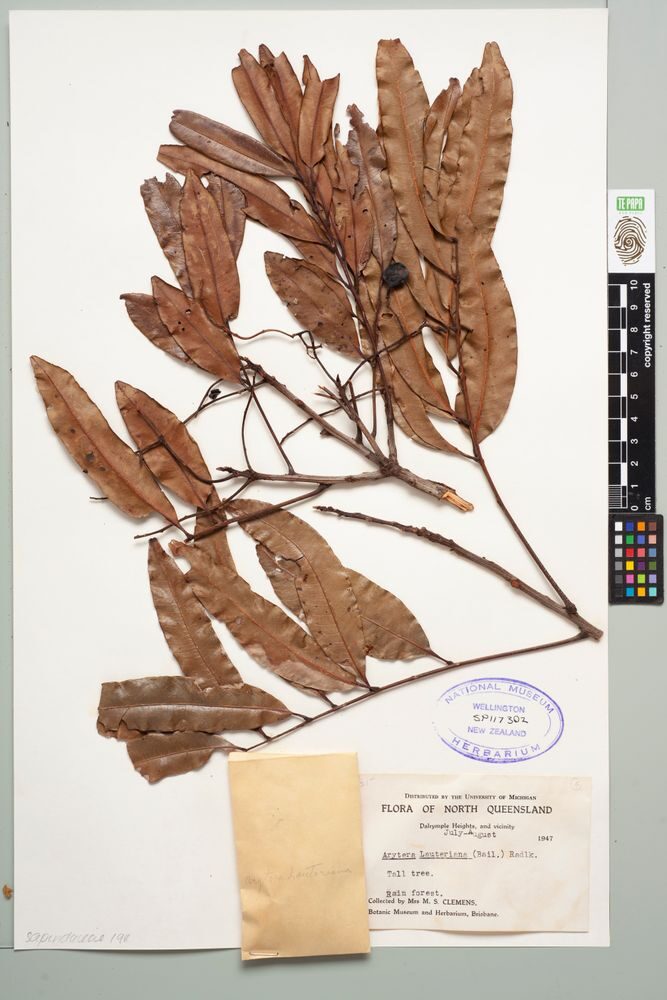
Paullinia alata
(Ruiz & Pav.) G. Don
iNaturalist· cc-by-nc
(c) Iniciativa Biota Orinoquia, some rights reserved (CC BY-NC), uploaded by Iniciativa Biota Orinoquia
iNaturalist· cc-by-nc
(c) Iniciativa Biota Orinoquia, some rights reserved (CC BY-NC), uploaded by Iniciativa Biota Orinoquia
iNaturalist· cc-by-nc
(c) Iniciativa Biota Orinoquia, some rights reserved (CC BY-NC), uploaded by Iniciativa Biota Orinoquia
Description
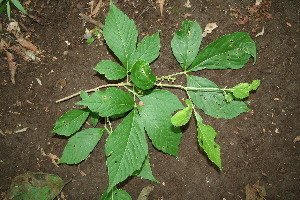
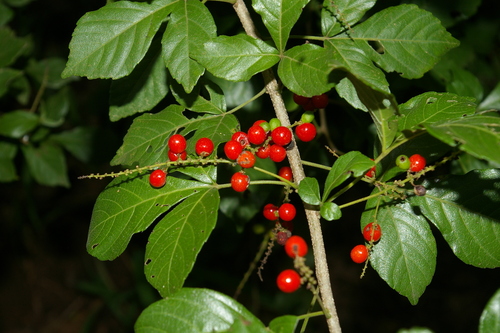
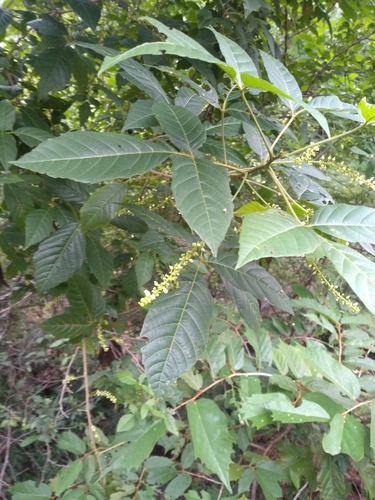
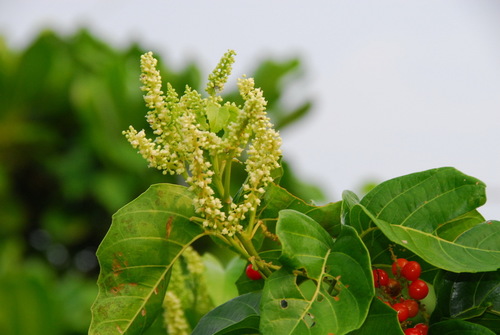
A vine. The fruit are light brown and turn red when ripe. There is a white layer around the single seed. The seed is black. The fruit are produced along the stem near the ground.
Edible Uses
The white aril or fleshy layer surrounding the seeds is eaten.
Traditional Uses
The aril of fleshy layer around the seeds is eaten.
This uses section is brief — help expand it
Known Hazards
Several uses are recorded. The fruit of several species are edible, with P. cupana (Guaraná) being the most popular. Other species, notably P. yoco (Yoco), are used as herbal medicine for various treatments. The sap of some species, notably P. cururu is highly toxic, and is used as an arrow poison by Native American tribes in South America. Similarly, the long flexible stems of Paullinia pinnata are used to poison fish in shallow pools, as described by the English naturalist Henry Walter Bates in his book The Naturalist on the River Amazons.
Distribution
It is a tropical plant. It grows on the floodplains in the Amazon. It also grows up to 1,600 m above sea level.
Where It Grows
Amazon, Bolivia*, Brazil*, Central America, Colombia, Costa Rica, Ecuador, Nicaragua, Panama, Peru*, South America, Suriname, Trinidad-Tobago, Venezuela,
Production
Fruit appear during the rainy season.
Synonyms
Also Known As
Seca boca, Macota, Barbasco colorado, Guarana bravo, Mata fome
References (5)
- Daly, D. C., An Index of Common Names of Plants in Acre, Brazil. New York Botanical Garden Universidade Federal do Acre.
- Kermath, B. M., et al, 2014, Food Plants in the Americas: A survey of the domesticated, cultivated and wild plants used for Human food in North, Central and South America and the Caribbean. On line draft. p 621
- Kew Plants of the World Online
- Roa, J. A. G. & Boada, D. S. G., 2018, Fundación para el Fortalecimiento de la Fruticultura y Plantas Alimenticias no Convencionales en Colombia.
- Smith, N., et al, 2007, Amazon River Fruits. Flavors for Conservation. Missouri Botanical Gardens Press. p 230