Allophylus racemosus
Sw.
iNaturalist· cc-by-nc-sa
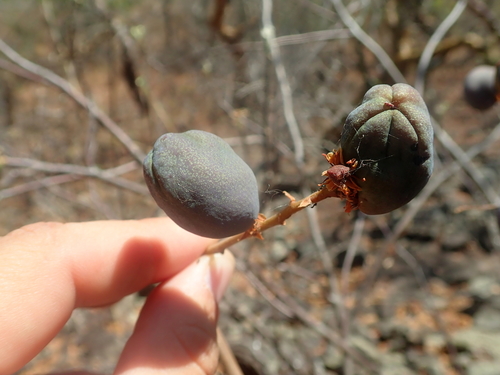
(c) Daniel H. Janzen. Guanacaste Dry Forest Conservation Fund., some rights reserved (CC BY-NC-SA)
iNaturalist· cc-by
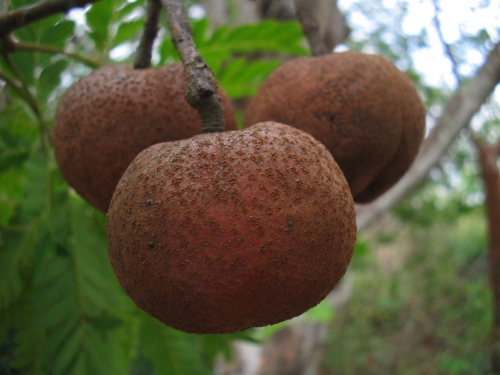
(c) Helio Lourencini, some rights reserved (CC BY)
iNaturalist· cc-by
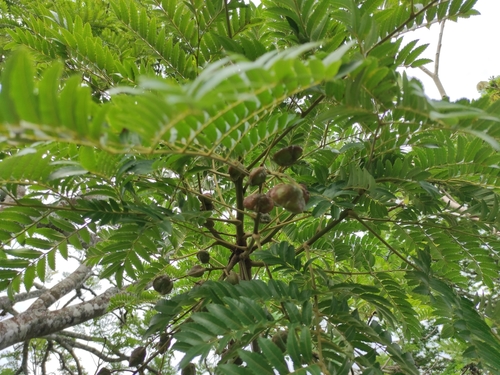
(c) Helio Lourencini, some rights reserved (CC BY)
Description
A tropical shrub in the Sapindaceae family that grows to about 2 m tall.
This description is brief — help expand it
Edible Uses
The fruit is edible.
Medicinal Uses
Several parts of the plant are used in traditional medicine for curing sexual impotency, venereal diseases and stomach pains.
Distribution
It is a tropical plant.
Where It Grows
Brazil, South America,
Cultivation
Grows best in a sunny position. Prefers a deep, moist soil. Young plants have a fast rate of growth. The fruit is a good source of food for the native birds.
Propagation
Seed - best sown as soon as it is ripe in a partially shaded position in a nursery seedbed. A low germination rate can be expected, with the seed sprouting within 30 - 40 days.
Other Uses
The wood is medium-textured, straight-grained, light in weight, easy to cut, susceptible to the attacks of wood-eating insects. When found of sufficient dimensions, it is used for fences and posts, and in making tool handles. Because of its small size it is mainlyy used as fuel and to make charcoal. A fast-growing tree, tolerant of full sun and a good food source for the native fauna; it can be used as a pioneer species when restoring native woodland.
Synonyms
References (3)
- Grandtner, M. M. & Chevrette, J., 2013, Dictionary of Trees, Volume 2: South America: Nomenclature, Taxonomy and Ecology. Academic Press p 25
- Peres, M. K., 2011, Diasporos do Cerrado Atrativos para Fauna: Chave Interativa Caracterizacao Visual e Relacoes Ecologicas. Masters thesis. Universidade de Brasilia. (As Allophylus sericeus)
- www.colecionandofrutas.org (As Allophylus semidentatus)