Allophylus serratus
Radlk.
Tanalika
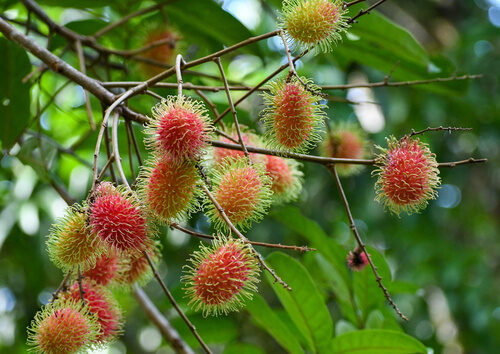
iNaturalist· cc-by-nc
(c) V.Arun, some rights reserved (CC BY-NC)
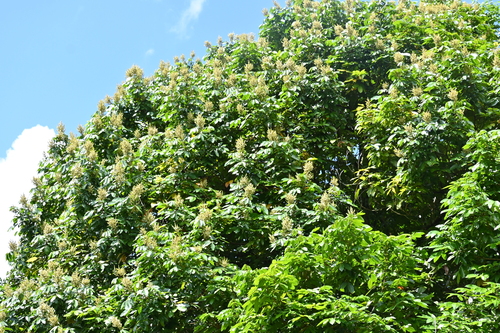
iNaturalist· cc-by-nc
(c) V.Arun, some rights reserved (CC BY-NC)
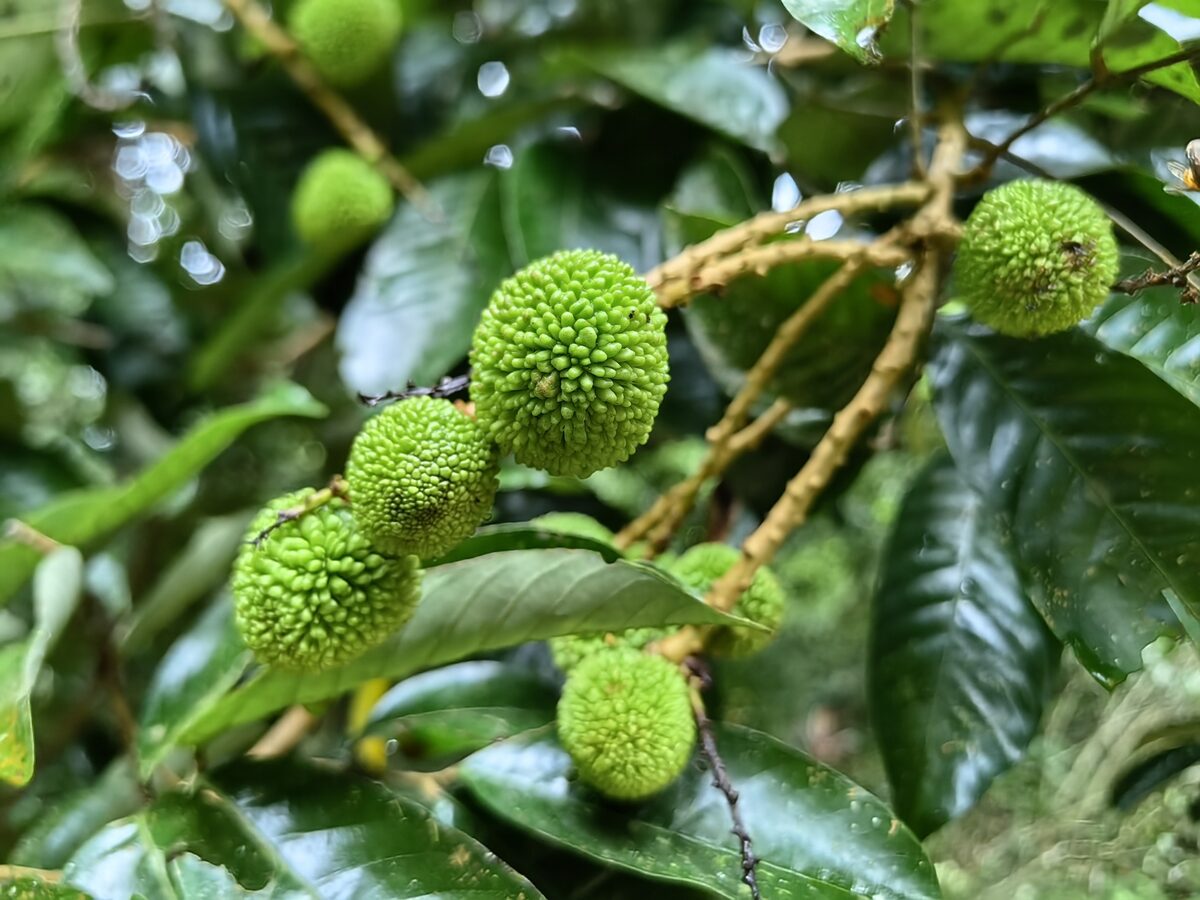
iNaturalist· cc-by-nc
(c) V.Arun, some rights reserved (CC BY-NC)
Description
An evergreen shrub or small tree. It grows 3 m high and spreads 2 m wide. The stem is erect and the branches are straggling. The leaves are alternate and have 3 oval leaflets. The leaves are 10 cm long. The flowers are small and in slender spikes. The fruit are oval berries.
Edible Uses
The ripe fruit are eaten raw; the aril is also consumed.
Traditional Uses
The ripe fruit are eaten raw.
This uses section is brief — help expand it
Distribution
It is a tropical plant. It does best in wet, swampy, peaty soils. It needs a protected and partly shaded position. It is sensitive to frost and drought. It occurs in the Western Ghats in India.
Where It Grows
Asia, Australia, India, Myanmar, Northeastern India, SE Asia,
Cultivation
Plants can be grown from seed.
Production
In southern India plants fruit July to October.
Notes
There are 190-200 Allophyllus species. Some say there is just one widely variable species.
Synonyms
Also Known As
Khandakoli, Tanalikoe korra chettu
References (12)
- Bandyopadhyay, S., et al, 2012, A Census of Wild Edible Plants from Howrah District, West Bengal, India. Proceedings of UGC sponsored National Seminar 2012
- Basha, S. K. M., Ethnobotanical Trees of Sri Lanka Malleswara Wildlife Sanctuary; Eastern Ghats, Andhra Pradesh.
- Bodkin, F., 1991, Encyclopedia Botanica. Cornstalk publishing, p 66
- Cherikoff V. & Isaacs, J., The Bush Food Handbook. How to gather, grow, process and cook Australian Wild Foods. Ti Tree Press, Australia p 147
- Cleland,
Show all 12 references Hide references
- Misra S. & Misra M., 2016, Ethnobotanical and Nutritional Evaluation of Some Edible Fruit Plants of Southern Odisha, India. International Journal of Advances in Agricultural Science and Technology, Vol.3 Issue.1, March- 2016, pg. 1-30
- Misra, S., 2020, Survey of edible plants for human consumption in south Odisha, India. Journal of Emerging Technologies and Innovative Research (JETIR) Vol. 7, Issue 12 p 278
- Morley, B.D., & Toelken, H.R., (Eds), 1983, Flowering Plants in Australia. Rigby. p 204 (As Allophyllus serrata)
- Roth,
- SHORTT, (As Schmidelia serrata)
- Singh, H.B., Arora R.K.,1978, Wild edible Plants of India. Indian Council of Agricultural Research, New Delhi. p 78
- Specht,