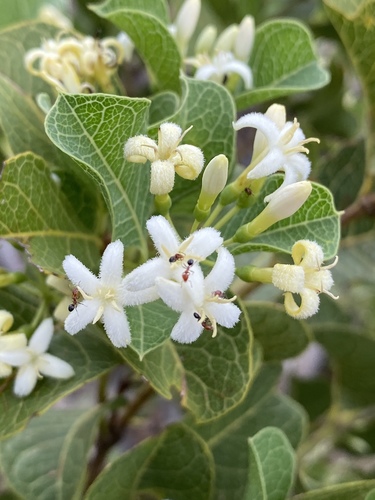
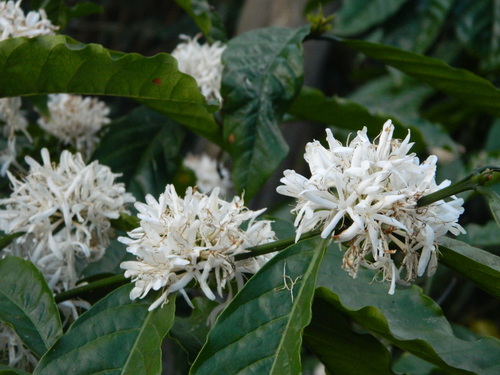
Psychotria longicuspis
Mull.Arg.
gbif· cc-by-nc
Andrew I. Gallardo : Field Museum of Natural History - Department of Zoology
gbif· cc-by-nc
Andrew I. Gallardo : Field Museum of Natural History - Department of Zoology
gbif· cc-by-nc
N. C. A. Pitman : Field Museum of Natural History - Action Center
Description
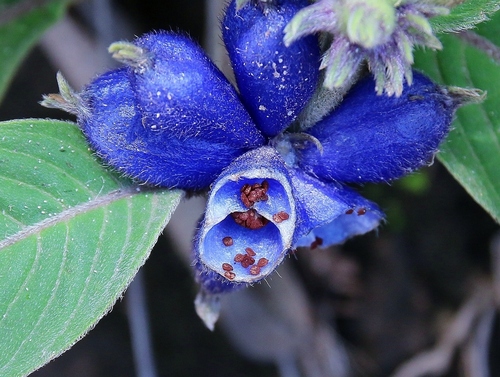
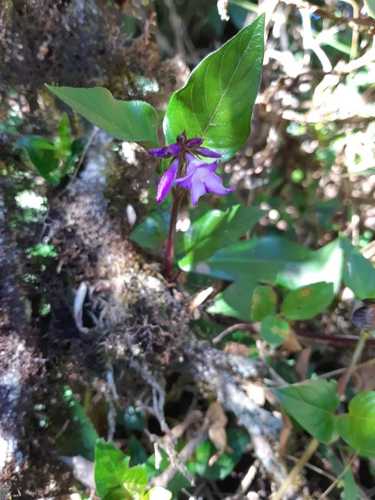
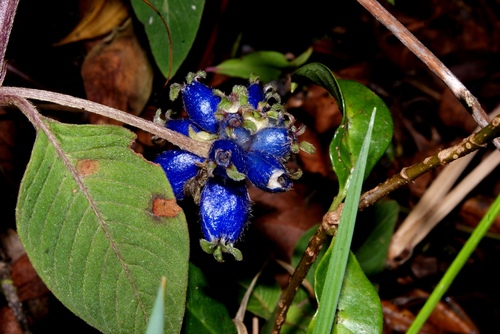
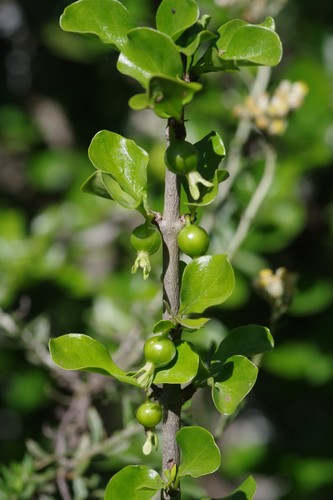
A shrub. It can grow 5 m tall. The fruit are round and 8 mm across. They occur in clusters. They are red but turn black when ripe. There are 3 brown seeds.
Edible Uses
The fruit pulp is eaten, and the seeds are often also consumed.
Traditional Uses
The fruit pulp is eaten and the seeds are often also eaten.
This uses section is brief — help expand it
Distribution
It is a tropical plant. It grows in floodplain forests.
Where It Grows
Amazon, Bolivia*, Colombia*, Ecuador*, Guianas, Peru*, South America,
Production
It starts producing fruit when 1 m high.
Synonyms
Also Known As
Huanchaco huayo, Pisheu-muyu
References (1)
- Smith, N., et al, 2007, Amazon River Fruits. Flavors for Conservation. Missouri Botanical Gardens Press. p 226 (As Psychotria loretensis)