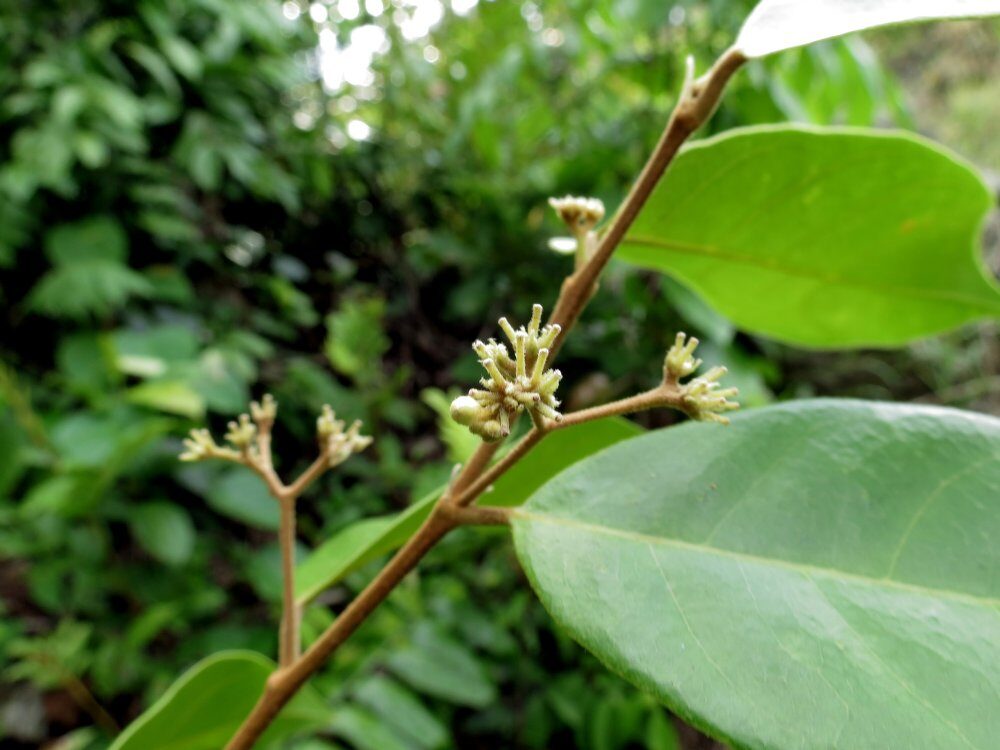
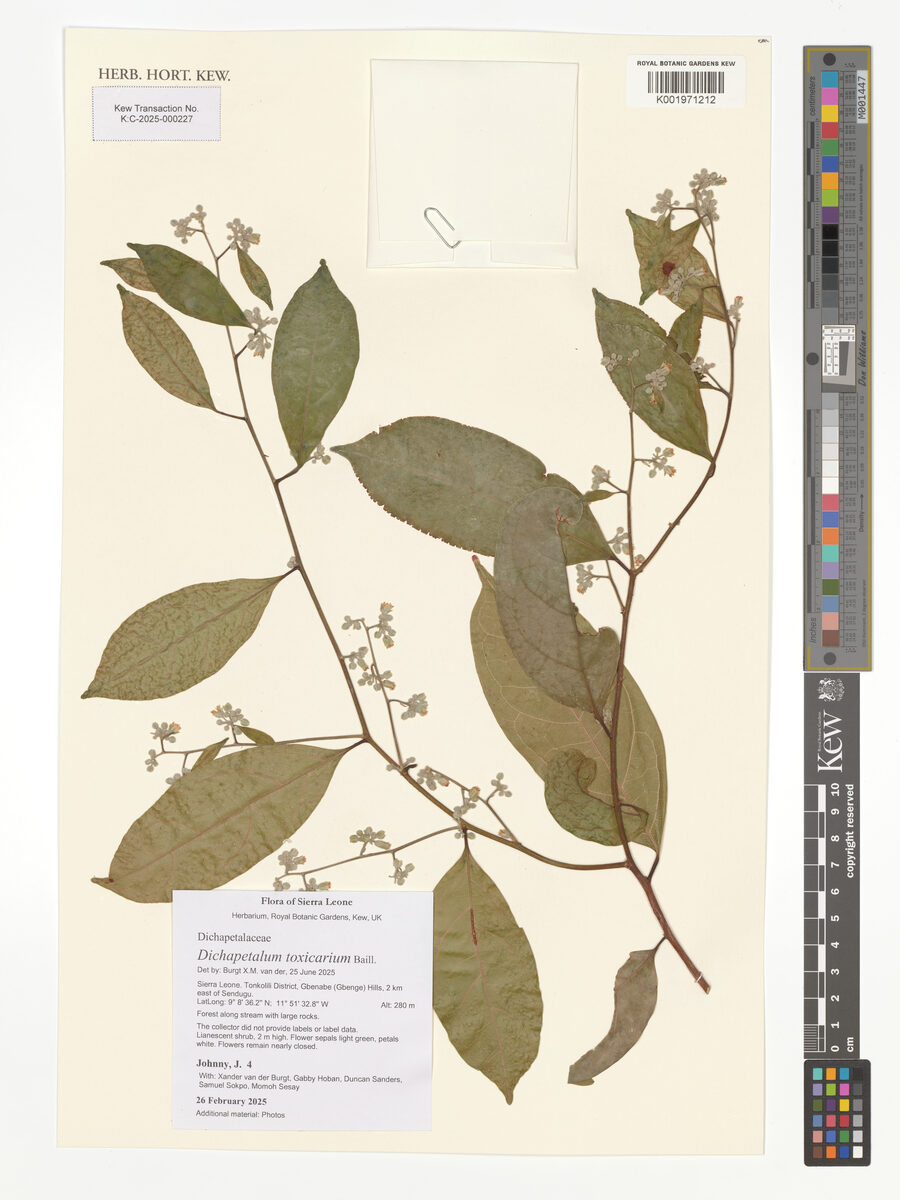
Tapura amazonica
Peopp. & Endl.
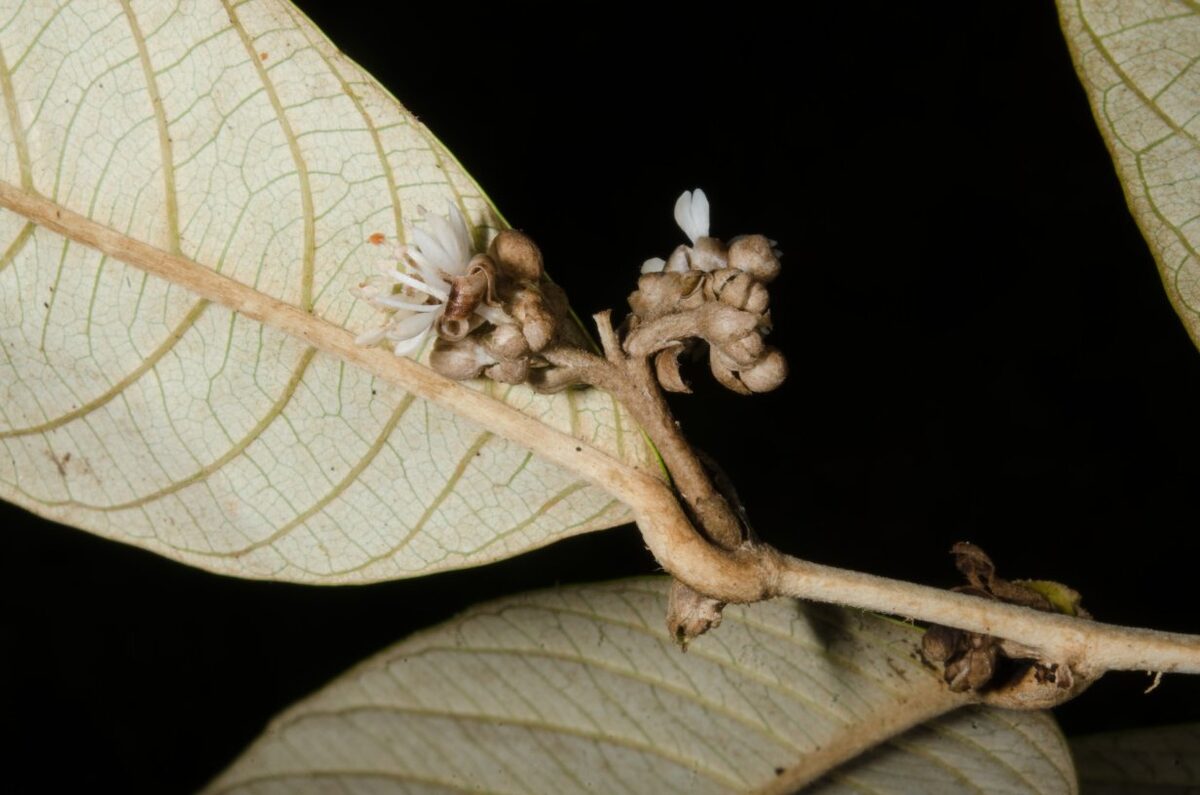
Amazon tapura
iNaturalist· cc-by-nc
(c) Igor Azevedo, some rights reserved (CC BY-NC), uploaded by Igor Azevedo
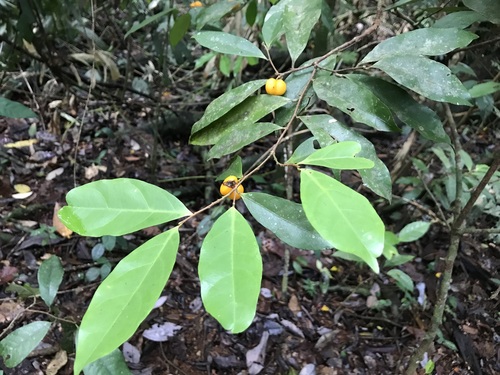
iNaturalist· cc-by-nc
(c) Julien Piolain, some rights reserved (CC BY-NC)
Description
A tree. It can grow 25 m tall. The fruit are 2 cm long by 1.5 cm wide. The contain one seed in a jelly like pulp. The seeds is about 1.8 cm long by 1 cm wide.
Edible Uses
The fruit is eaten.
Distribution
It is a tropical plant. It grows in lowland regions including flood plains, upland forests and savannah.
Where It Grows
Amazon, Bolivia*, Brazil*, Central America, Colombia, Costa Rica, Ecuador, Guiana, Guianas, Guyana, Peru*, South America, Suriname, Venezuela,
Production
It starts producing fruit when 1.5 m tall. The fruit ripen in the rainy months.
Other Information
It is a cultivated plant.
Synonyms
Also Known As
Aguen catohue, Awencatomo, Bejuco, Mao-de-gato, Motecillo, Pakiratiki, Pau de bicho, Pi kare, Tapura, Tapuron, Tassi-tihi, Zorro caspi
References (8)
- Grandtner, M. M. & Chevrette, J., 2013, Dictionary of Trees, Volume 2: South America: Nomenclature, Taxonomy and Ecology. Academic Press p 656
- Kermath, B. M., et al, 2014, Food Plants in the Americas: A survey of the domesticated, cultivated and wild plants used for Human food in North, Central and South America and the Caribbean. On line draft. p 857
- Kew Plants of the World On line
- Peres, M. K., 2011, Diasporos do Cerrado Atrativos para Fauna: Chave Interativa Caracterizacao Visual e Relacoes Ecologicas. Masters thesis. Universidade de Brasilia.
- Poset, D. A., 2002, Kayapo Ethnoecology and Culture. Routledge
Show all 8 references Hide references
- Roa, J. A. G. & Boada, D. S. G., 2018, Fundación para el Fortalecimiento de la Fruticultura y Plantas Alimenticias no Convencionales en Colombia.
- Smith, N., et al, 2007, Amazon River Fruits. Flavors for Conservation. Missouri Botanical Gardens Press. p 110
- Torre, de la, L., et al, 2008, Enciclopedia de las Plantas Útiles del Ecuador. Herbario QCA. Pontificia Universidad Católica del Ecuador. p 307