Bactris riparia
Mart.
iNaturalist· cc-by
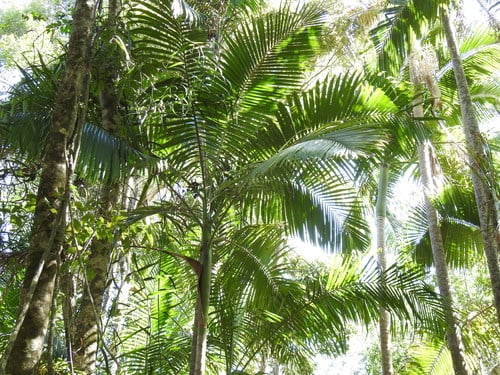
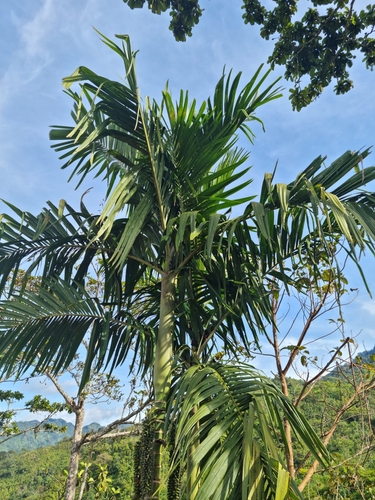
(c) Kristof Zyskowski, some rights reserved (CC BY), uploaded by Kristof Zyskowski
iNaturalist· cc-by
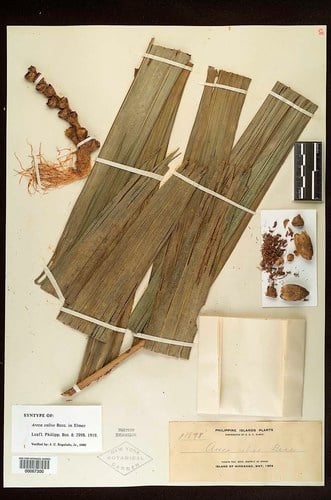
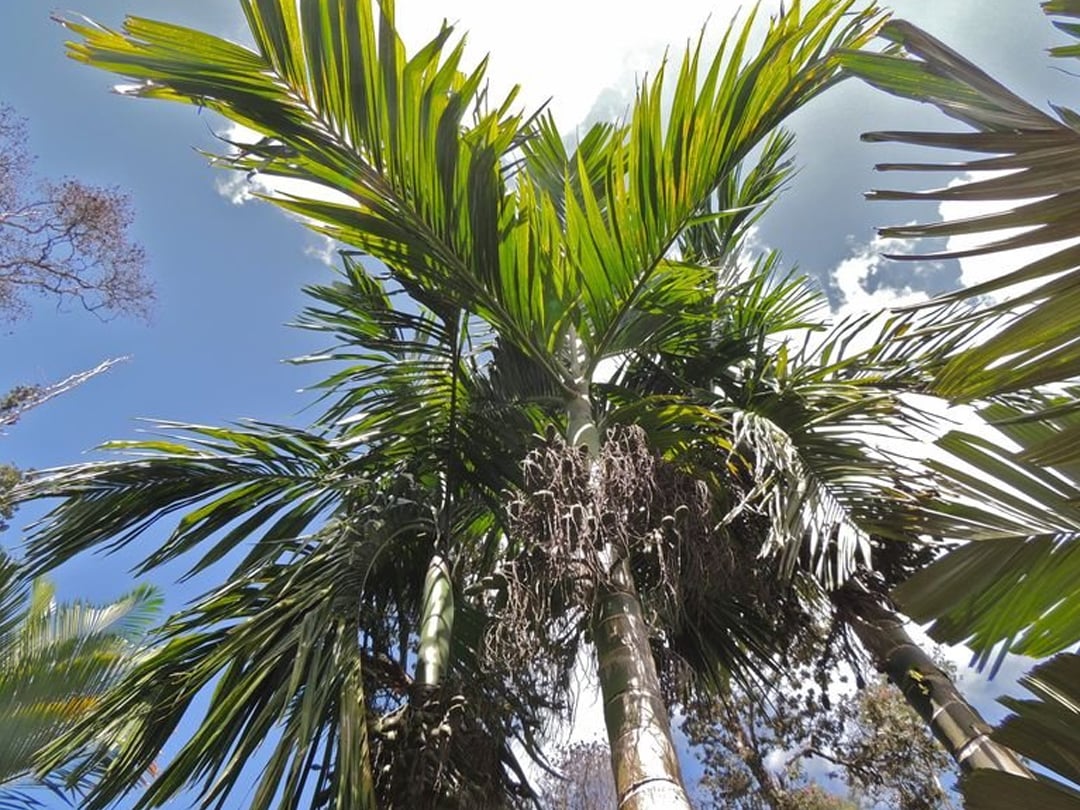
(c) Jens-Christian Svenning, some rights reserved (CC BY), uploaded by Jens-Christian Svenning
iNaturalist· cc-by
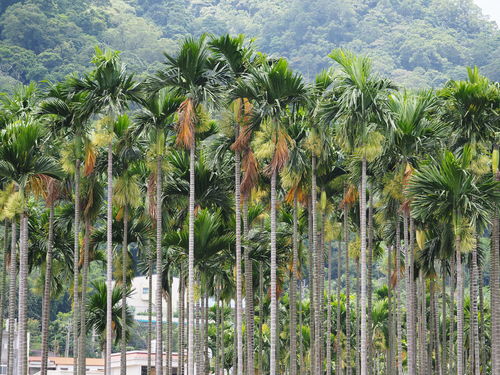
(c) Jens-Christian Svenning, some rights reserved (CC BY), uploaded by Jens-Christian Svenning
Description
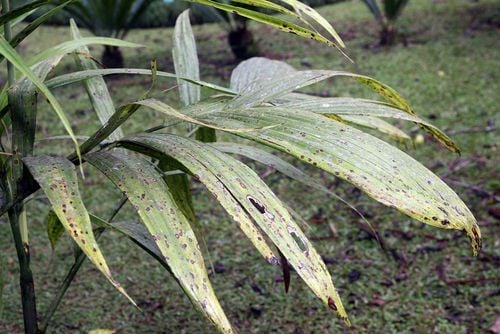
A tall palm. The trunks are grey. It can form large clumps. The fronds are light green. The fruit are green and turn purple when ripe.
This description is brief — help expand it
Edible Uses
Leaves - cooked. The apical bud, often known as a 'palm heart', is eaten as a vegetable. Eating this bud leads to the death of the tree because it is unable to make side shoots.
Traditional Uses
The fruit are occasionally used for juice.
This uses section is brief — help expand it
Distribution
It is a tropical plant. It grows along the edges of rivers and lakes. It is common along black water rivers.
Where It Grows
Amazon, Bolivia, Brazil*, Colombia, Ecuador, Peru*, South America,
Synonyms
Also Known As
Chonta durillo, Chontilla del rio, Mahuaso hui, Nan-gemowe, Pai ene, Seohui, Tucum-guacu, Tucum-vermelho
References (7)
- Bortolotto, I. M., et al, 2015, Knowledge and use of wild edible plants in rural communities along Paraguay River, Pantanal, Brazil. Journal or Ethnobiology and Ethnomedicine. 11:46
- Bortolotto, I. M., et al, 2018, Lista preliminar das plantas alimenticias nativas de Mato Grosso do Sul, Brasil. Iheringia, Serie Botanica, Porto Alegre, 73 (supl.):101-116
- Kew Plants of the World onLine
- Marcia, M. J., et al, 2011, Palm Uses in Northwestern South America: A Quantitative Review. Bot. Rev. (2011) 77:462-570
- Roa, J. A. G. & Boada, D. S. G., 2018, Fundación para el Fortalecimiento de la Fruticultura y Plantas Alimenticias no Convencionales en Colombia.
Show all 7 references Hide references
- Smith, N., et al, 2007, Amazon River Fruits. Flavors for Conservation. Missouri Botanical Gardens Press. p 66
- Torre, de la L., et al, 2008, Enciclopedia de las Plantas Útiles del Ecuador. Herbario QCA. Pontificia Universidad Católica del Ecuador. p 198