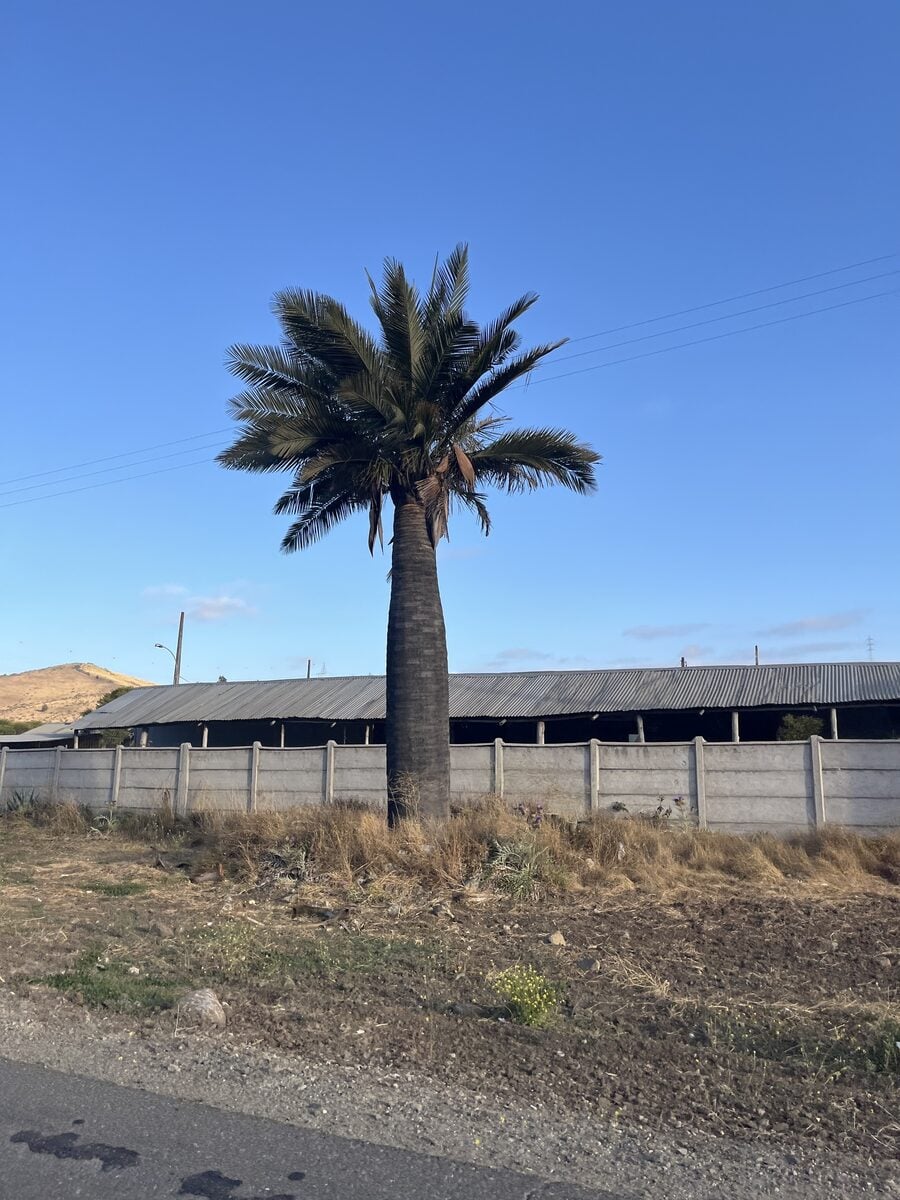
Phytelephas tumacana
O. F. Cook
Tagua
iNaturalist· cc-by-nc-sa
(c) Mateo Hernandez Schmidt, some rights reserved (CC BY-NC-SA), uploaded by Mateo Hernandez Schmidt
iNaturalist· cc-by-nc-sa
(c) Mateo Hernandez Schmidt, some rights reserved (CC BY-NC-SA)
Summary
Source: WikipediaPhytelephas tumacana is a species of palm tree. It is endemic to Colombia, where it grows in forests near rivers. It is threatened by the destruction of habitat for agriculture.
Description
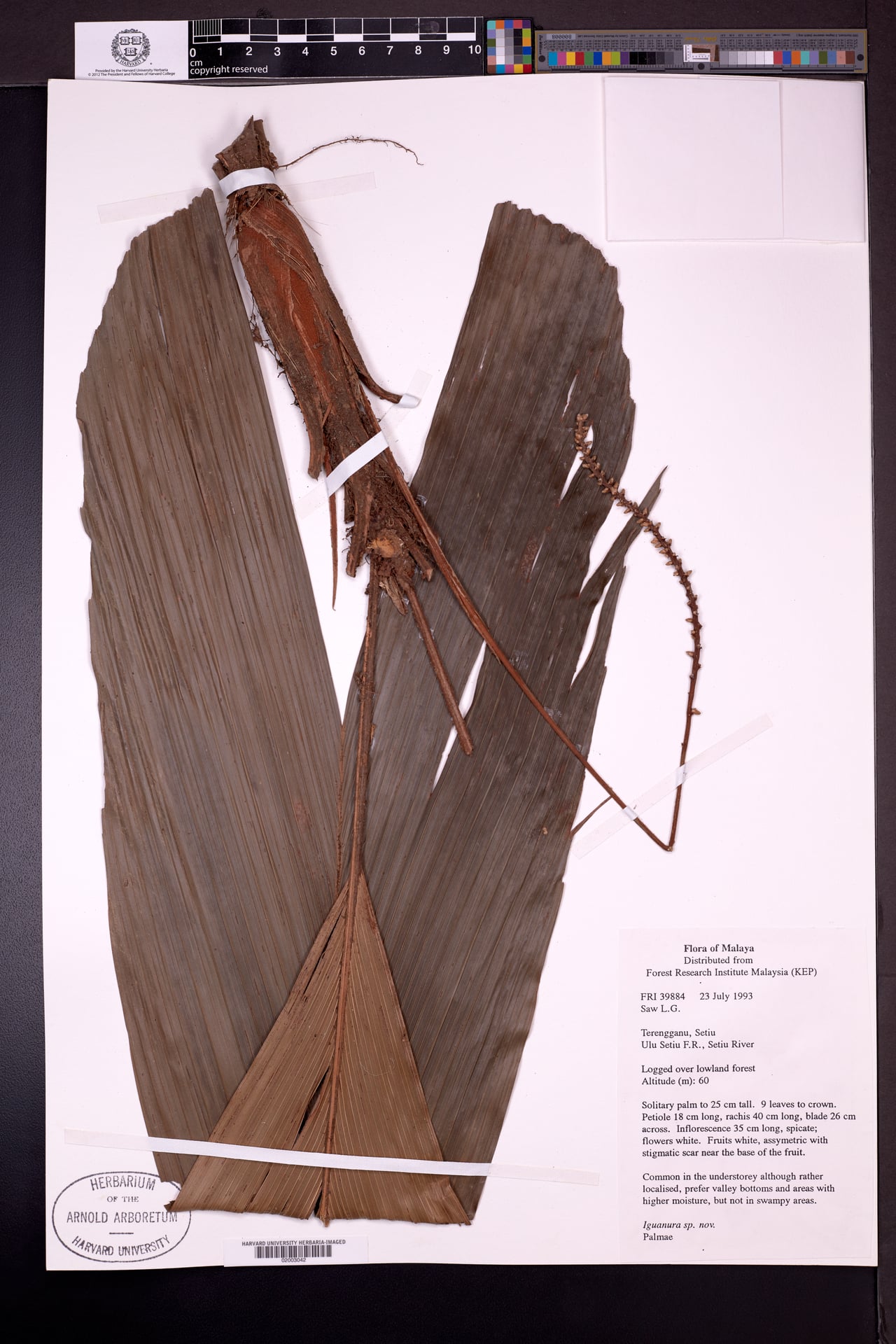
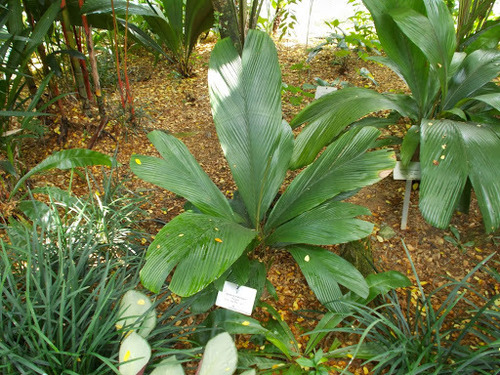
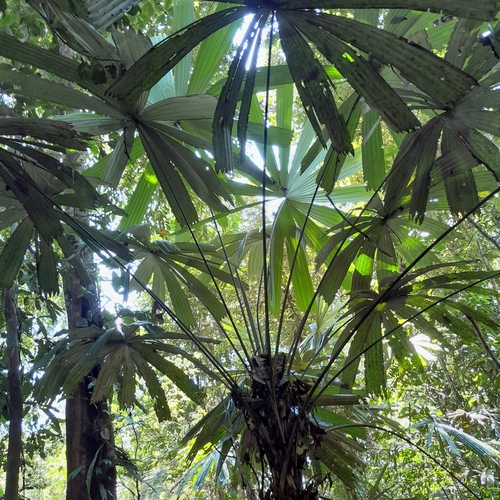
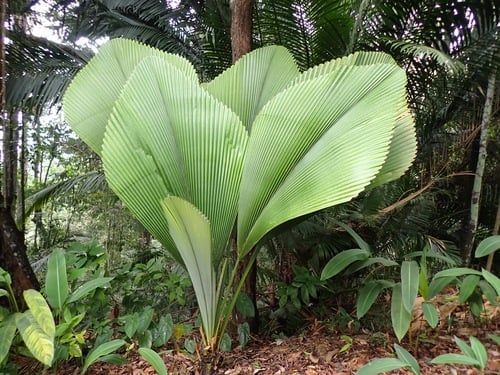
A solitary palm. It grows 5 m tall. The trunk is 20 cm across. There are 10-15 leaves. They are almost erect. They are 5 m long. The old leaves hang on the stem. There are 80-110 leaflets on each side. They are arranged regularly and spread in one plane. The male flowers are on short stalks. There can be 20 fruiting heads per palm. The heads are 20-25 cm across. There are 5-8 fruit per head. There are 5-6 seeds per fruit.
Edible Uses
The fruit and palm hearts are eaten.
Known Hazards
This species is endangered.
Distribution
A tropical plant. It grows on alluvial soils. They grow up to 200 m altitude.
Where It Grows
Colombia, South America,
Cultivation
A dioecious species, both male and female forms need to be grown if fruit and seed are required.
Other Uses
The endocarp of the mature seed is very hard. Known as vegetable ivory, it is used for making buttons, chess pieces and ornamental articles of various kinds. The leaves are used as a thatch.
Notes
It is an endangered species.
Also Known As
Tagua de tumaco
References (4)
- Balick, M.J. and Beck, H.T., (Ed.), 1990, Useful palms of the World. A Synoptic Bibliography. Colombia p 50
- Henderson, A., Galeano, G and Bernal, R., 1995, Field Guide to the Palms of the Americas. Princeton. p 238
- Kermath, B. M., et al, 2014, Food Plants in the Americas: A survey of the domesticated, cultivated and wild plants used for Human food in North, Central and South America and the Caribbean. On line draft. p 654
- Roa, J. A. G. & Boada, D. S. G., 2018, Fundación para el Fortalecimiento de la Fruticultura y Plantas Alimenticias no Convencionales en Colombia.