Trigonopleura malayana
Hook. f.
Wild gambir tree
iNaturalist· cc-by-nc
(c) Royal Botanic Garden Edinburgh, some rights reserved (CC BY-NC)
gbif· cc0
President and Fellows of Harvard College
gbif· cc0
President and Fellows of Harvard College
Description
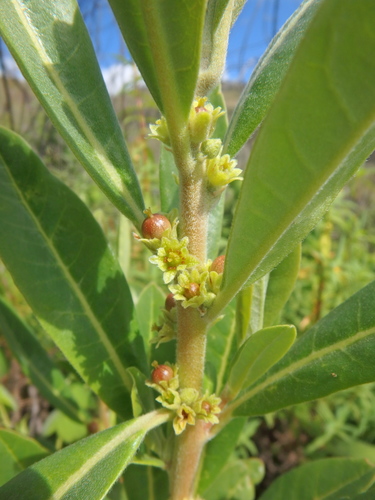
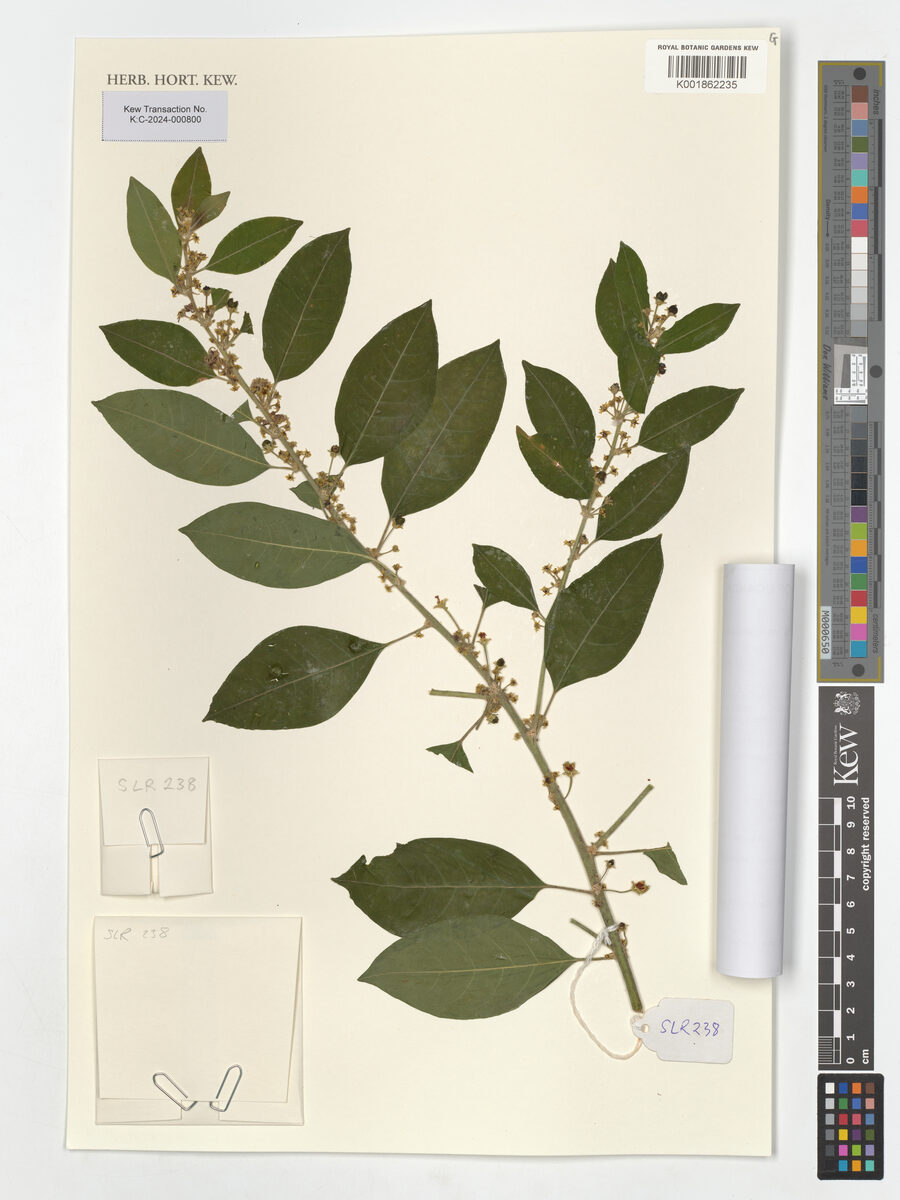
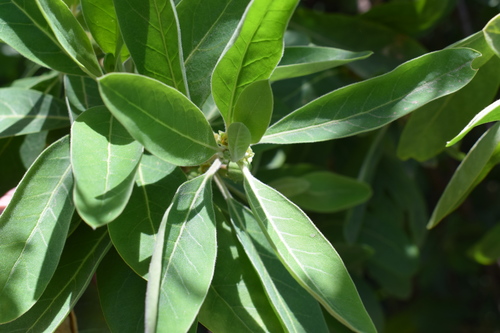
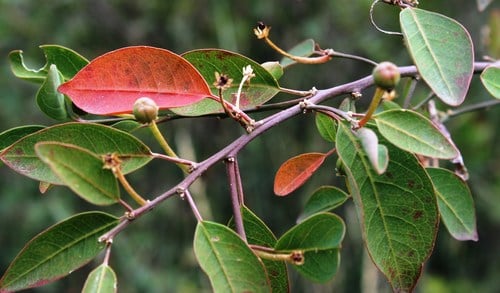
A tree. It grows bout 30 m tall. The leaves are alternate and simple. They are hairy underneath. The flower are 8 mm across and greenish-white. They are in bundles in the axils of leaves. The fruit are about 1 cm across. They are greenish-white. They are capsules. The seeds have a white fleshy layer or aril around them.
Edible Uses
The young leaves are eaten.
Traditional Uses
The young leaves are eaten.
This uses section is brief — help expand it
Distribution
It is a tropical plant. It grows in mixed forest up to 1,600 m above sea level. It can be along rivers and on hillsides. It grows on sandy or clay soils.
Where It Grows
Asia, Brunei, Indonesia, Malaysia, SE Asia,
Cultivation
Plants can be grown from seeds.
Other Information
It is cultivated.
Synonyms
Also Known As
Akil, Enkunit, Gamber ooran, Gambir hutan, Gampil, Gomi balua, Kadoroi, Kayu sedi, Kayu masam, Kelali, Kodoloi, Kratouk, Sedi, Selait, Sidek kayu
References (4)
- Chai, P. P. K. (Ed), et al, 2000, A checklist of Flora, Fauna, Food and Medicinal Plants. Lanjak Entimau Wildlife Sanctuary, Sarawak. Forestry Malaysia & ITTO. p 159
- Slik, F., www.asianplant.net
- Sukarya, D. G., (Ed.) 2013, 3,500 Plant Species of the Botanic Gardens of Indonesia. LIPI p 555
- Zeven, A. C. & de West, J. M. J., 1982, Dictionary of cultivated plants and their regions of diversity. Wageningen. p 53