Clutia pulchella
L.
Lightning bush, Warty-bush clutea
iNaturalist· cc-by-sa
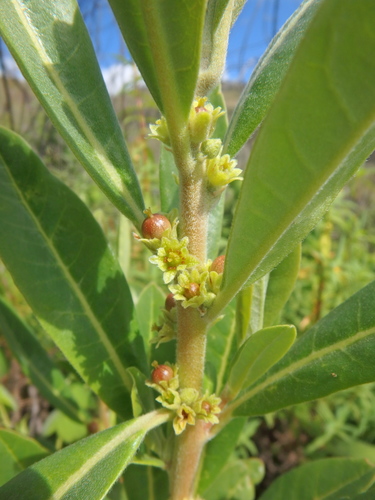
(c) Tony Rebelo, some rights reserved (CC BY-SA), uploaded by Tony Rebelo
iNaturalist· cc-by-nc
(c) georgfritz, some rights reserved (CC BY-NC)
iNaturalist· cc-by-nc
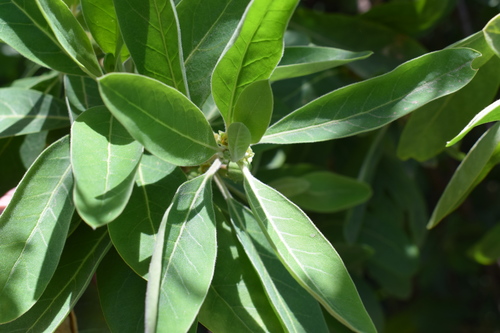
(c) Richard Gill, some rights reserved (CC BY-NC), uploaded by Richard Gill
Summary
Source: WikipediaClutia pulchella, the lightning bush, is a southern African dioecious shrub of the family Peraceae. It occurs at middle altitudes in Namibia, Mozambique, Zimbabwe, Eswatini, Botswana, Lesotho and South Africa.
Description
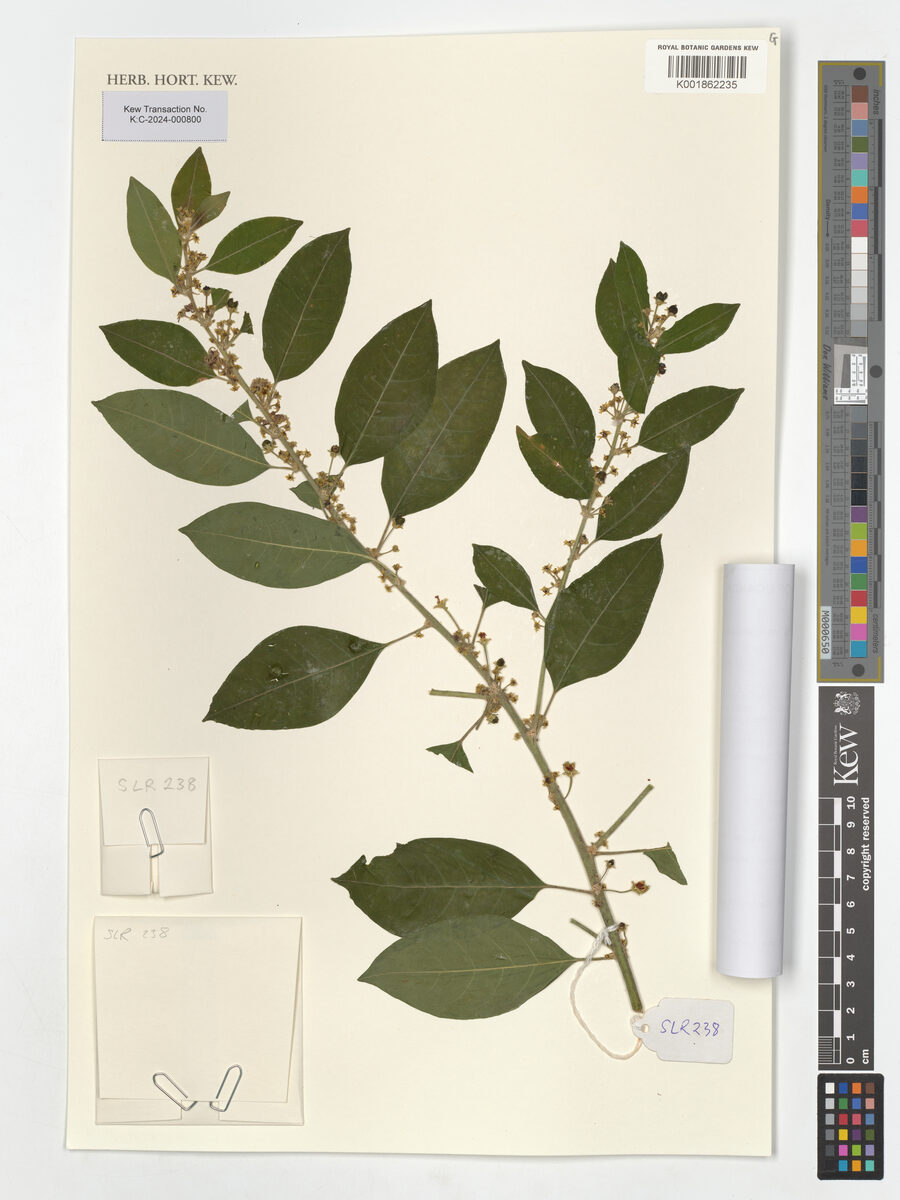
A shrub. It is soft and leafy. It grows up to 2 m high. The leaf stalk is slender and 1 cm long. The leaf blade is oval or round and 5 cm long by 3 cm wide. It has spots that let the light through. Flowers of both sexes occur. The fruit is 3 mm across.
Edible Uses
The fruit is used to curdle milk.
Traditional Uses
The fruit is used to curdle milk.
This uses section is brief — help expand it
Medicinal Uses
A hot leaf infusion is drunk to treat stomach-ache, diarrhoea and dysentery. An infusion of the leaves, stems and roots, mixed with milk, is applied as an enema to treat stomach-ache in children. The root ash is rubbed into scarifications to heal fractures and sprains.
Known Hazards
Although we have seen no specific information for this species, there are reports that several species in this genus are highly toxic to grazing animals.
Distribution
It is a subtropical plant.
Where It Grows
Africa, Botswana, East Africa, Eswatini, Lesotho, Mozambique, South Africa, Southern Africa, St Helena, Swaziland, Zambia, Zimbabwe,
Cultivation
A dioecious species, both male and female forms need to be grown if fruit and seed are required.
Synonyms
Also Known As
Ikhambi lenkosi, Pondo lightning-bush, Umembesa
References (9)
- Fowler, D. G., 2007, Zambian Plants: Their Vernacular Names and Uses. Kew. p 25
- Fox, F. W. & Young, M. E. N., 1982, Food from the Veld. Delta Books. p 195
- Long, C., 2005, Swaziland's Flora - siSwati names and Uses http://www.sntc.org.sz/flora/
- Marker & Sheape,
- Peters, C. R., O'Brien, E. M., and Drummond, R.B., 1992, Edible Wild plants of Sub-saharan Africa. Kew. p 109
Show all 9 references Hide references
- Plowes, N. J. & Taylor, F. W., 1997, The Processing of Indigenous Fruits and other Wildfoods of Southern Africa. in Smartt, L. & Haq. (Eds) Domestication, Production and Utilization of New Crops. ICUC p 188
- Ruiters-Welcome, A. K., 2019, Food plants of southern Africa. Ph.D. thesis. Univ. of Johannesburg p 54
- Swaziland's Flora Database http://www.sntc.org.sz/flora
- Welcome, A. K. & Van Wyk, B.-E., 2019, An inventory and analysis of the food plants of southern Africa. South African Journal of Botany 122 (2019) 136–179