Clutia abyssinica var. pedicellaris
Jaub. & Spach, (Pax) Pax
gbif· cc-by
Royal Botanic Gardens, Kew
gbif· cc-by
Royal Botanic Gardens, Kew
gbif· cc-by-nc-sa
MBG
Description
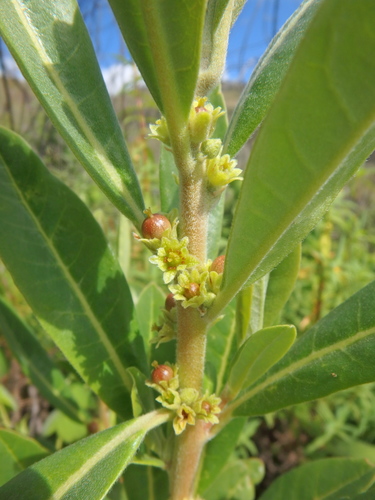
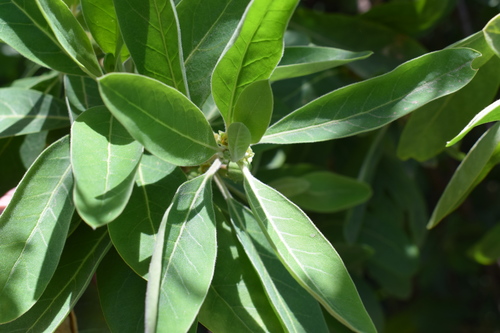
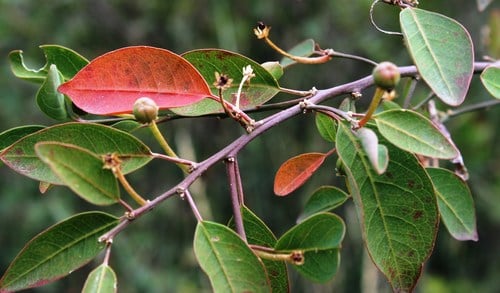
A shrub. It grows 4 m high. The branches are brittle. The leaves are alternate and simple.
This description is brief — help expand it
Edible Uses
The root is boiled and used as flavouring.
Traditional Uses
The root is boiled and used as flavouring.
This uses section is brief — help expand it
Medicinal Uses
The plant is used in medicine.
Distribution
It is a tropical plant. It grows on the edge of rainforests and along the edges of rocky streams. It suits humid locations. It grows between 720-2,300 m above sea level.
Where It Grows
Africa, Angola, Burundi, Central Africa, Congo, East Africa, Ethiopia, Kenya, Malawi, Mozambique, Rwanda, South Africa, Southern Africa, Tanzania, Uganda, Zambia, Zimbabwe,
Cultivation
It can be grown from seeds.
Notes
There are 70 Clutea species. It is used in medicine.
Synonyms
References (5)
- Fowler, D. G., 2007, Zambian Plants: Their Vernacular Names and Uses. Kew. p 25
- Glover, et al, 1966b,
- Grivetti, L. E., 1980, Agricultural development: present and potential role of edible wild plants. Part 2: Sub-Saharan Africa, Report to the Department of State Agency for International Development. p 44 (As Clutia pedicellaris)
- Peters, C. R., O'Brien, E. M., and Drummond, R.B., 1992, Edible Wild plants of Sub-saharan Africa. Kew. p 109
- White, F., Dowsett-Lemaire, F. and Chapman, J. D., 2001, Evergreen Forest Flora of Malawi. Kew. p 247