Clutia abyssinica
Jaub. & Spach
Smoothfruit lightning bush
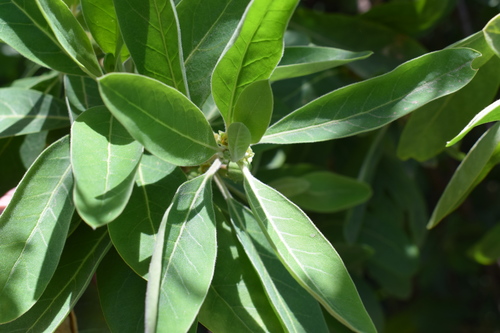
iNaturalist· cc-by-nc-sa
(c) Pádraic Flood, some rights reserved (CC BY-NC-SA), uploaded by Pádraic Flood
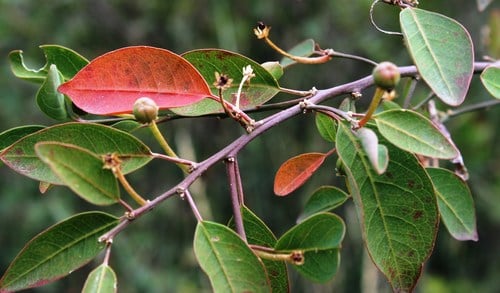
iNaturalist· cc-by-nc
(c) Bart Wursten, some rights reserved (CC BY-NC), uploaded by Bart Wursten
iNaturalist· cc-by-nc
(c) Bart Wursten, some rights reserved (CC BY-NC), uploaded by Bart Wursten
Description
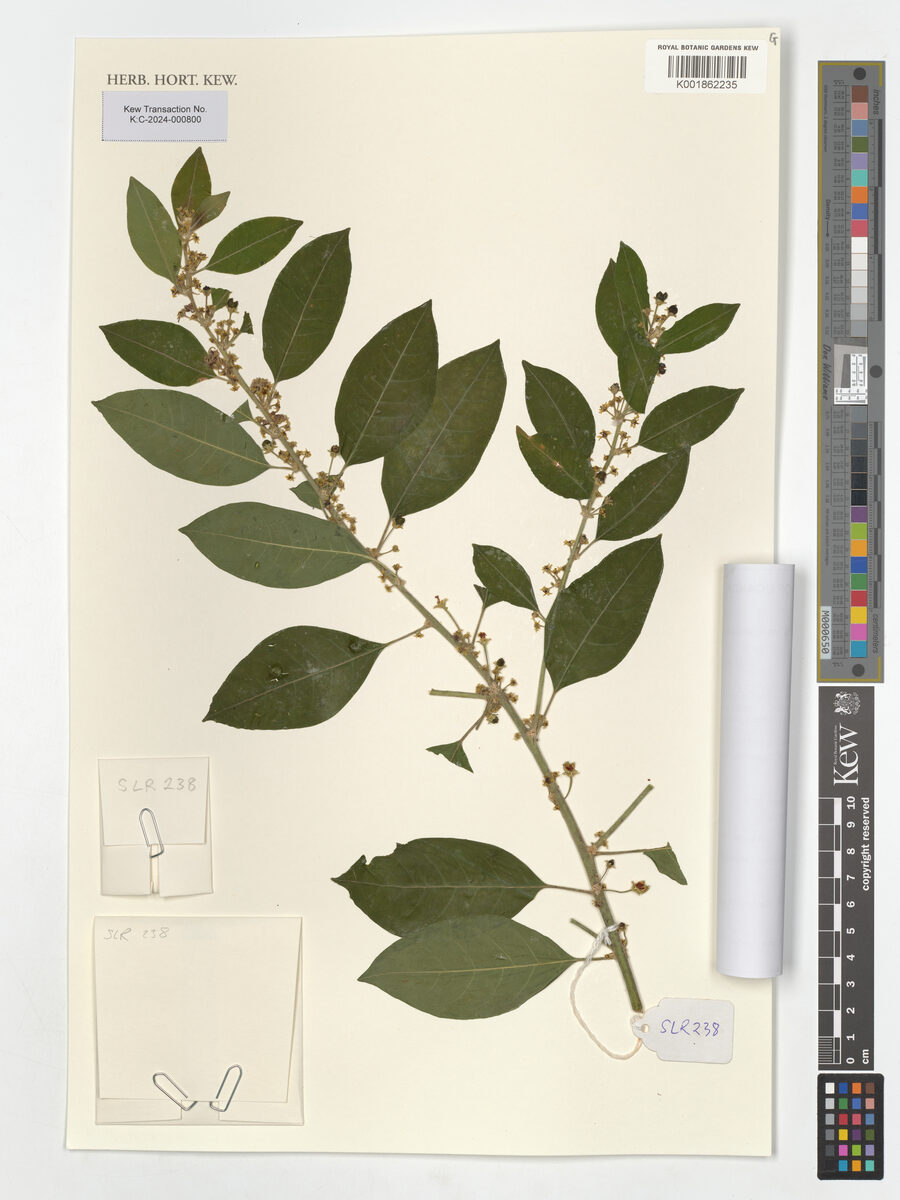
A shrub. It keeps growing from year to year. It is erect and has a few branches. The leaves are oval and dull green. The flowers are small and occur usually in pairs in the axils of leaves. The fruit are pale green with yellow-green dots. The seed are black and shiny with small pits.
Edible Uses
The roots are used in soup.
Traditional Uses
The roots are used in soup.
This uses section is brief — help expand it
Medicinal Uses
The roots and leaves are commonly used for medicinal purposes within the plant's native range. Research has shown the presence of a range of compounds in the plant - for example the roots contain a phytosterol glucoside and several bicyclic diterpenoids. Ethanolic leaf, stem and root extracts have shown moderate antiviral activity in vitro against polio virus and Coxsackie virus; moderate antifungal activity against Aspergillus fumigatus and Fusarium culmorum; but little antibacterial activity. An ethanol extract of the dry leaves showed antifungal activity against Trichophyton mentagrophytes. The roots are used to treat a wide range of ailments, usually in the form of a decoction. Conditions treated include chest complaints such as influenza, coughs and colds; fevers, including malaria; liver problems, stomach aches and indigestion; headaches; intestinal worms; whilst it is also taken as a tonic by pregnant women. The boiled roots are made into a soup which is taken as a remedy for enlarged spleen and kidney problems. The ground roots are applied as an enema to treat gonorrhoea. A decoction of the root is rubbed on the head to relieve a headache. The root bark is laxative. A maceration is drunk to treat abdominal problems, and to expel intestinal worms. The leaves are used in various ways, as a powder, infusion or a decoction for example. They have a stimulant effect on the uterus and so are used to induce the process of childbirth, or to induce an abortion. They are also taken to treat sciatic pain, coughs, whooping cough and headaches. A strong decoction is taken to treat shock. When diluted in water, the sap is applied as an enema to treat diarrhoea in children, whilst a vapour bath of the leaves is used to treat malaria. Applied externally, the leaf powder is mixed with palm oil and applied as a healing salve on burns. A maceration of the crushed leaves is used as nose drops to treat pneumonia; the fresh leaves are rubbed on the gums to treat toothache and on the skin to treat fungal problems. The sap of leafy twigs is drunk to treat chest pain, side pain and shortness of breath. An infusion of the leafy twigs, or the leaves, is drunk or the ash eaten to treat skin problems, elephantiasis, diarrhoea and tachycardia. This infusion can also be used as a wash to treat these ailments. The wood is smoked by women to treat menstrual pains.
Known Hazards
Although we have seen no specific information for this species, there are reports that several species in this genus are highly toxic to grazing animals.
Distribution
It is a tropical plant. It grows in grassland.
Where It Grows
Africa, Burundi, Central Africa, Congo DR, East Africa, Eswatini, Ethiopia, Kenya, Mozambique, Rwanda, South Africa, Southern Africa, Sudan, Swaziland, Tanzania, Zambia, Zimbabwe,
Cultivation
A dioecious species, both male and female forms need to be grown if fruit and seed are required.
Other Uses
The presence of the plant is often an indicator of an old forest area.
Synonyms
Also Known As
Muka foni, Umuberama
References (4)
- Malaisse, F., 1997, Se nourrir en floret claire africaine. Approche ecologique et nutritionnelle. CTA., p 59
- Malaisse, F., 2010, How to live and survive in Zambezian open forest (Miombo Ecoregion). Les Presses Agronomiques de Gembloux.
- Mutie, F. M., et al, 2023, Important Medicinal and Food Taxa (Orders and Families) in Kenya, Based on Three Quantitative Approaches. Plants 2023, 12, 1145
- World Checklist of Useful Plant Species 2020. Royal Botanic Gardens, Kew