Amaioua guianensis
Aubl.
Amaina
iNaturalist· cc-by-nc
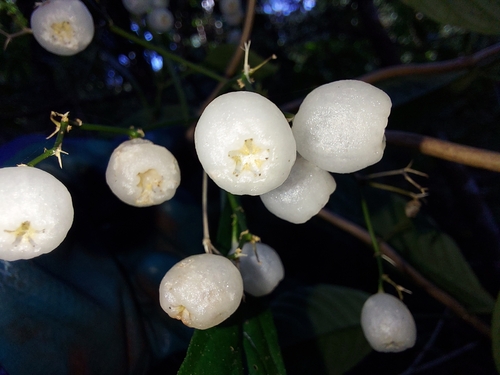
(c) Hervé GALLIFFET, some rights reserved (CC BY-NC), uploaded by Hervé GALLIFFET
iNaturalist· cc-by-nc
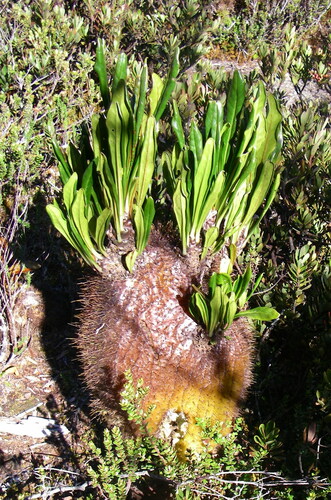
(c) Hervé GALLIFFET, some rights reserved (CC BY-NC), uploaded by Hervé GALLIFFET
iNaturalist· cc-by-nc
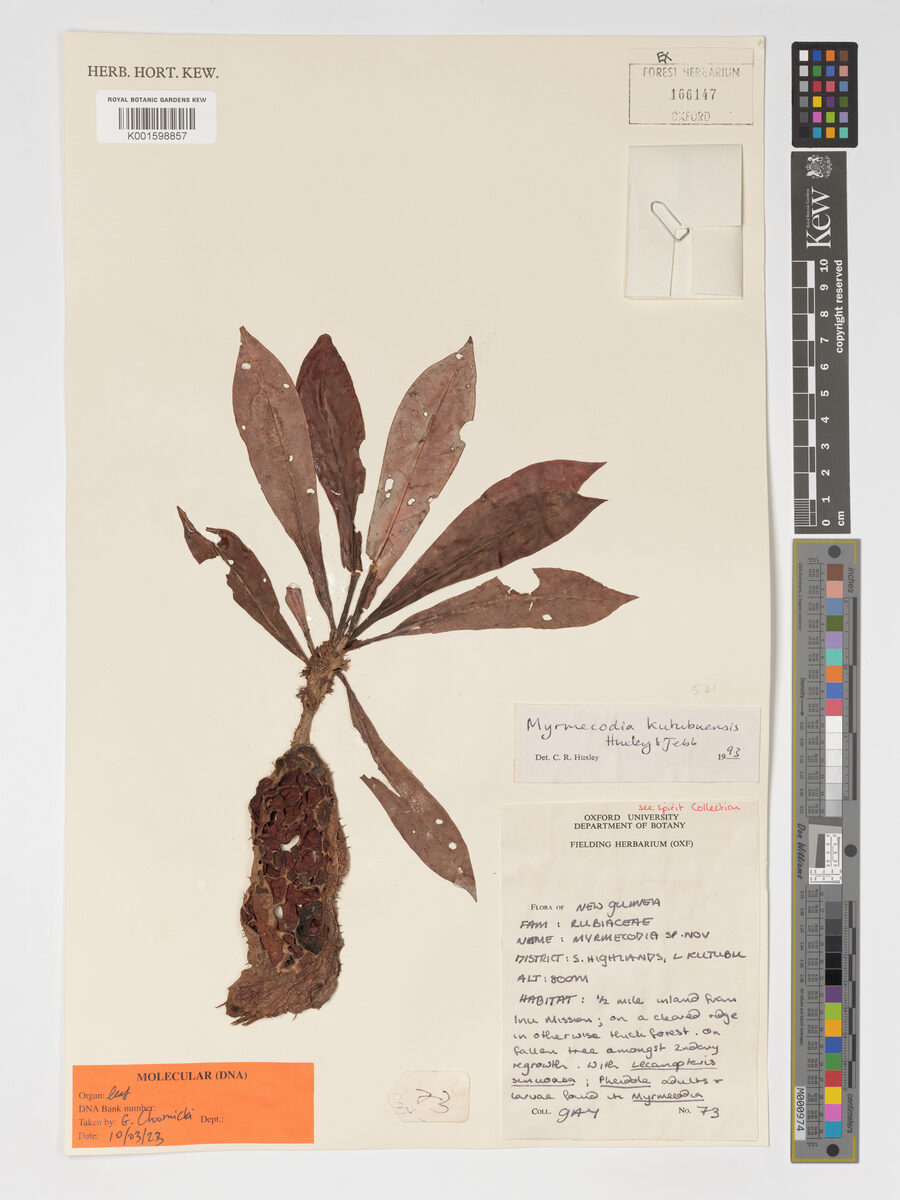
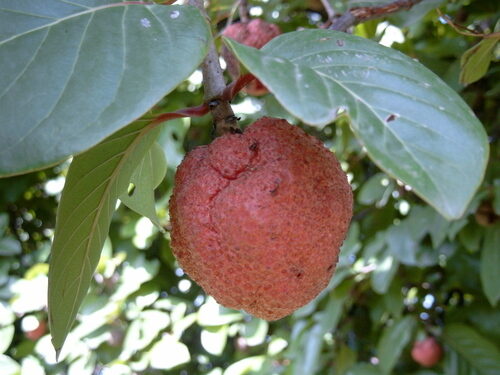
(c) accidentalshrike, some rights reserved (CC BY-NC), uploaded by accidentalshrike
Description
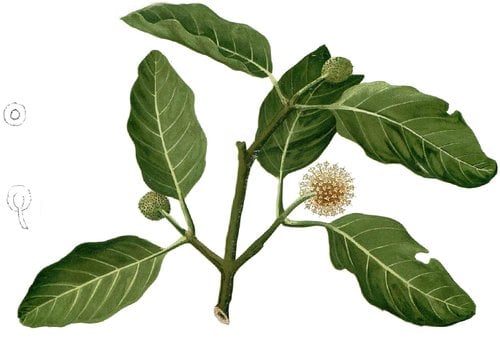
A small tree. It grows 3-6 m tall. The outer bark is brown and the inner bark is red. The leaves are opposite and clustered at the ends of branches. The flowers are in groups without stalks. The fruit is an oval berry. It is 2.2 cm across. It is purple-brown.
Edible Uses
The fruit are eaten.
Traditional Uses
The fruit are eaten.
This uses section is brief — help expand it
Distribution
It is a tropical plant. It grows in mixed forest.
Where It Grows
Amazon, America, Bolivia, Brazil, Central America, Colombia, Ecuador, Guatemala, Guiana, Guianas, Guyana, Panama, Peru, South America, Suriname, Venezuela,
Cultivation
A spacing of 5 m is suitable.
Propagation
Seed - best sown as soon as it is ripe in a partially shaded position in a nursery seedbed. The seed is very small and should be surface-sown on the seedbed then gently watered into the soil, being careful not to wash it away. A germination rate of less than 50% can be expected, with the seed sprouting within 40 - 60 days.
Other Uses
The wood is fine-textured, straight-grained, heavy, hard, with moderate mechanical properties and good durability. It can be used in general construction, cabinet making, tool handles, agricultural implements etc. The wood is used for fuel and to make charcoal.
Production
Plants fruit in November and December in South America.
Synonyms
Also Known As
Cai osho, Canela-de-veado, Cedro-bravo, Goiaba de peixe, Komaramara balli, Kapasi tuno, Marmelada brava
References (4)
- Kermath, B. M., et al, 2014, Food Plants in the Americas: A survey of the domesticated, cultivated and wild plants used for Human food in North, Central and South America and the Caribbean. On line draft. p 47
- Peres, M. K., 2011, Diasporos do Cerrado Atrativos para Fauna: Chave Interativa Caracterizacao Visual e Relacoes Ecologicas. Masters thesis. Universidade de Brasilia.
- van Andel, T., 2000, Useful plants of Guyana. Non-timber forest products of the North-West District of Guyana. Part 2. A Field Guide. Tropenbos-Guyana Programme. p 302
- www.colecionandofrutas.org