Genipa infundibuliformis
DC Zappi & J. Semir
Smooth genip
iNaturalist· cc-by-nc
(c) thiagolyra, some rights reserved (CC BY-NC)
iNaturalist· cc-by-nc
(c) thiagolyra, some rights reserved (CC BY-NC)
iNaturalist· cc-by-nc
(c) thiagolyra, some rights reserved (CC BY-NC)
Description
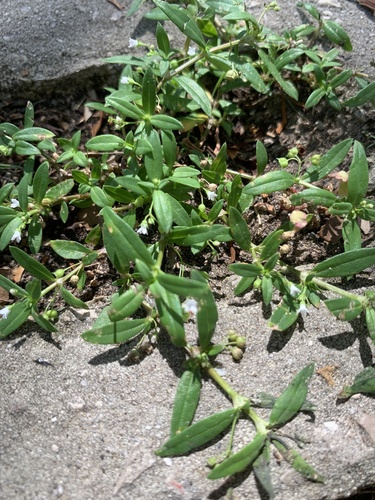
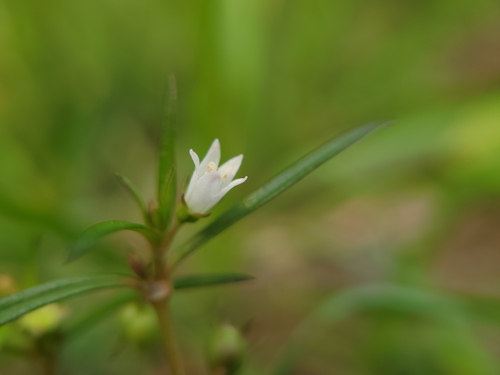
A tree. It grows 8-16 m high. The crown is round and dense. The trunk is 40-60 cm across. The bark is thin, light grey and smooth. The leaves are simple and opposite in 2 directions. They can have 3-5 lobes when young. The leaves are 20-40 cm long by 6-18 cm wide. The leaf stalks are 5-12 mm long. There are 12-15 pairs of side veins. The flowers are at the ends of the branches. There are 2-4 flowers with long petals that curve downwards. They are pale yellow. The fruit is a large round berry. It has juicy pulp and many seeds.
Edible Uses
Fruit - raw. An aromatic, fleshy pulp with many seeds and an acidic flavour. Made into juices, often with sugar added to reduce the acidity. The green, globose fruit can be up to 12cm in diameter.
Traditional Uses
The fruit are used for sweets and liqueurs. The fruit are acid so needs to have sugar added and is eaten fresh.
This uses section is brief — help expand it
Distribution
A tropical plant. It grows in Brazil in forests near the Atlantic.
Where It Grows
Brazil*, South America,
Cultivation
Plants are grown from seed. The ripe fruit are harvested and put into a plastic bag to soften. The seeds are washed out under running water. Fresh seed are planted and they germinate in 10-20 days.
Propagation
Seed - it is not dormant and so pre-treatment is not necessary. However, soaking the seeds in running water for 1 - 2 days just prior to sowing will accelerate germination. Seed may be sown in light shade in a nursery seedbed. Germination rates are normally high with between 65 - 100% of the seed sprouting within 1 - 4 weeks. The seedlings are ready for pricking out about 20 days later. Initial growth rates are slow, taking about 12 months to attain a transplanting size of 20 - 40cm. Because of drought sensitivity the best way of establishment is to use containerised seedlings. Vegetative propagation by cuttings is also possible. Grafting is used for varieties with superior fruit quality.
Other Uses
The immature fruit is used as a dye. The wood is fine-textured, straight-grained, heavy, soft, flexible, with poor mechanical properties and medium durability. It is used in general construction, cabinet making, for curved pieces, window frames, gun stocks, turnery, tool handles etc.
Also Known As
Jenipapeiro-do-seco, Jenipapo-liso
References (4)
- Grandtner, M. M. & Chevrette, J., 2013, Dictionary of Trees, Volume 2: South America: Nomenclature, Taxonomy and Ecology. Academic Press p 263
- Lorenzi, H., 2002, Brazilian Trees. A Guide to the Identification and Cultivation of Brazilian Native Trees. Vol. 02 Nova Odessa, SP, Instituto Plantarum p 308
- Lorenzi, H., Bacher, L., Lacerda, M. & Sartori, S., 2006, Brazilian Fruits & Cultivated Exotics. Sao Paulo, Instituto Plantarum de Estuados da Flora Ltda. p 288
- www.colecionandofrutas.org