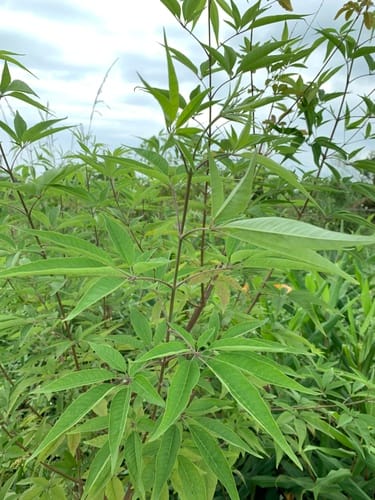
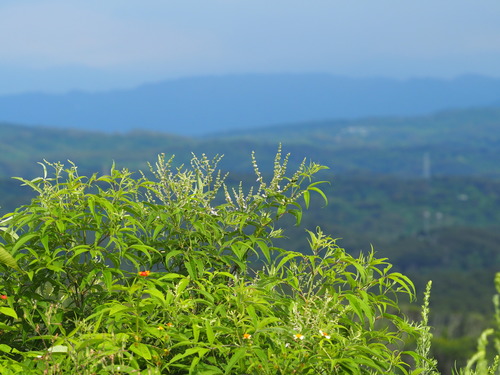
Pogostemon benghalensis
(Burm. f.) O. Kuntze
Bengal pogostemon
iNaturalist· cc-by-nc-sa
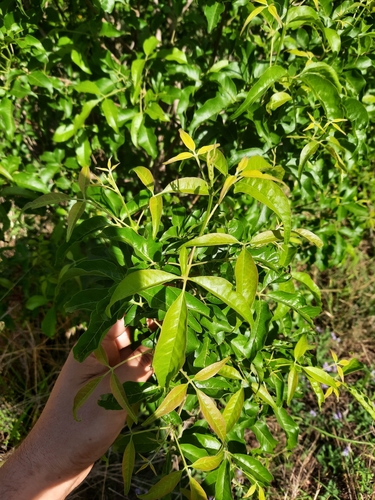
(c) Dinesh Valke, some rights reserved (CC BY-NC-SA)
iNaturalist· cc-by
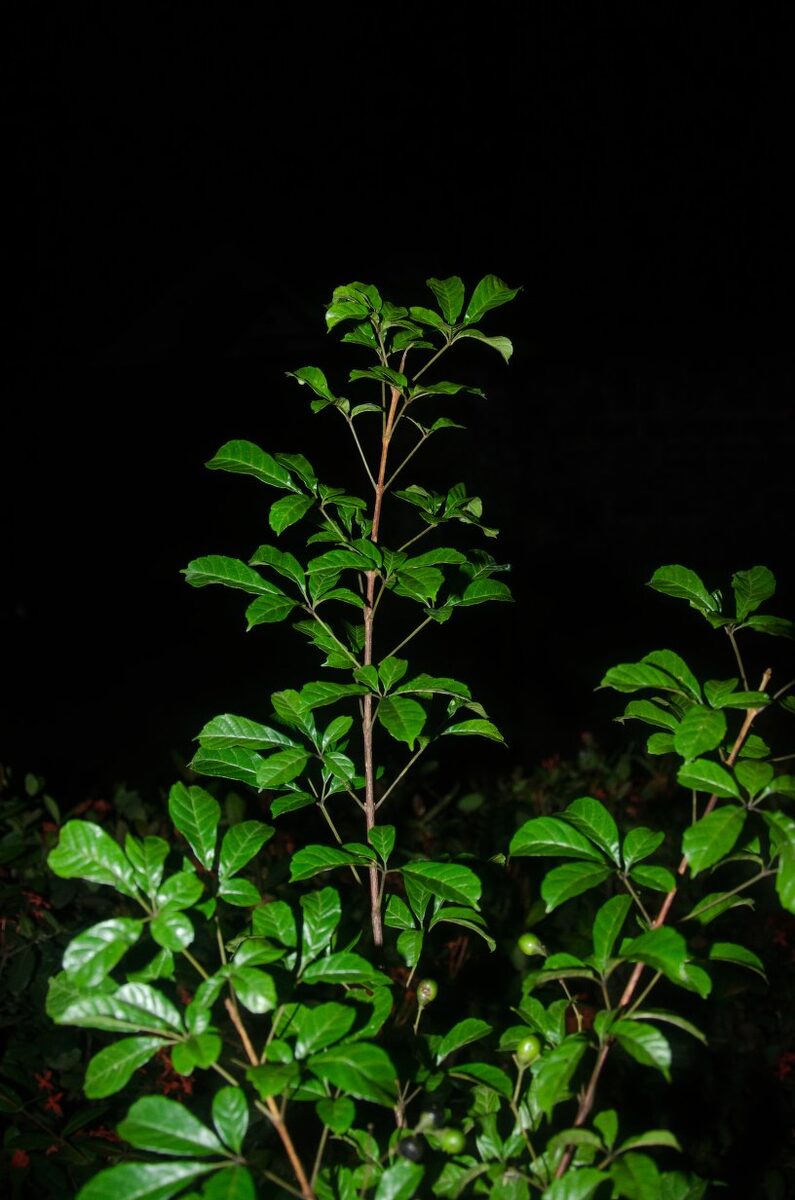
(c) Jayesh Patil, some rights reserved (CC BY)
iNaturalist· cc-by-nc-sa
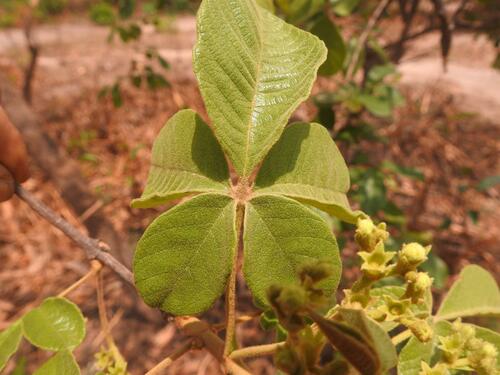
(c) satish nikam, some rights reserved (CC BY-NC-SA)
Summary
Source: WikipediaPogostemon benghalensis, commonly known as the Bengal shrub mint, is a species of flowering plant belonging to the family Lamiaceae.
Description
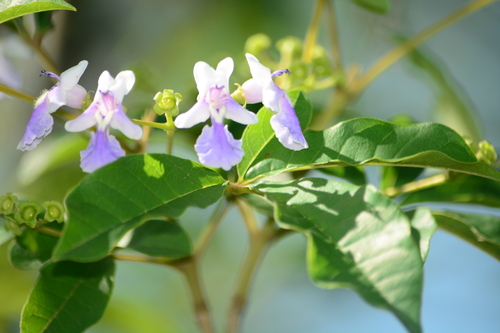
A shrub. It grows 2-3 m high. The young parts have a soft covering. The mature branches are light purple. The leaves are oval and have teeth. The flowers are small and white or pale pink. The fruit are small dark nutlets.
Edible Uses
Young leaves are cooked and eaten as a vegetable, particularly served with fish, and can be made into pancakes with powdered rice. Fresh leaves can be stored for 4-5 days.
Traditional Uses
The young leaves are cooked and eaten as a vegetable. They are especially eaten with fish. They are also made into pancakes with powdered rice. The young leaves can be stored for 4-5 days.
Medicinal Uses
Different parts of the plant are used in various traditional preparations—such as decoctions, fresh extracts, poultices, and infusions—to treat a range of ailments, including depression, infections, sexual weakness, intermittent fever, and intestinal disorders,.
Distribution
It is a tropical plant.
Where It Grows
Asia, Himalayas, India, Nepal, Northeastern India,
Cultivation
Plants can be grown from seeds or roots.
Synonyms
Also Known As
Hanbipo, Kuntze, Liriiwo, Rudhilo, Sa-khi-chil, Suklati
References (9)
- Dutta, U., 2012, Wild Vegetables collected by the local communities from the Churang reserve of BTD, Assam. International Journal of Science and Advanced Technology. Vol. 2(4) p 122
- Ethnobotany of Karbis. Chapter 4 in p 99
- Kar, A., & Borthakur, S. K., 2007, Wild vegetables sold in local markets of Karbi Anglong, Assam. Indian Journal of Traditional Knowledge. 6(1) January 2007, pp 169-172
- Kar, A., et al, 2013, Wild Edible Plant Resources used by the Mizos of Mizoram, India. Kathmandu University Journal of Science, Engineering and Technology. Vol. 9, No. 1, July, 2013, 106-126
- Lokho, K. & Narasimhan, D., 2013, Ethnobotany of Mao-Naga Tribe of Manipur, India. Pleione 7(2): 314-324
Show all 9 references Hide references
- Masoodi, H. U. R. & Sundriyal, R. C., 2020, Richness of non-timber forest products in Himalayan communities—diversity, distribution, use pattern and conservation status. Journal of Ethnobiology and Ethnomedicine 16:56
- Patiri, B. & Borah, A., 2007, Wild Edible Plants of Assam. Geethaki Publishers. p 105
- Sarma, H., et al, 2010, Updated Estimates of Wild Edible and Threatened Plants of Assam: A Meta-analysis. International Journal of Botany 6(4): 414-423
- Teron, R. & Borthakur, S. K., 2016, Edible Medicines: An Exploration of Medicinal Plants in Dietary Practices of Karbi Tribal Population of Assam, Northeast India. In Mondal, N. & Sen, J.(Ed.) Nutrition and Health among tribal populations of India. p 152