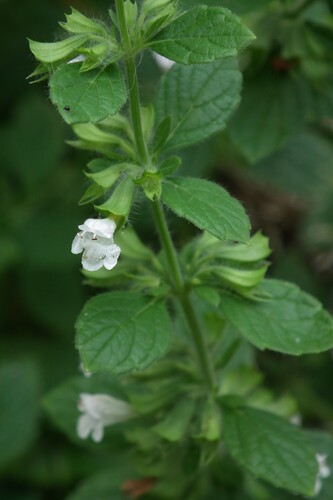
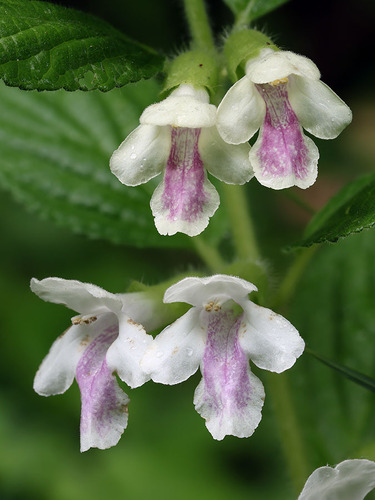
Vitex montevidensis
Cham.
Taruma
iNaturalist· cc-by-nc
(c) João Gava Just, some rights reserved (CC BY-NC)
iNaturalist· cc-by-nc
(c) Luis Vescia da Rosa, some rights reserved (CC BY-NC)
iNaturalist· cc-by-nc
(c) Luis Vescia da Rosa, some rights reserved (CC BY-NC)
Description
A tree. It grows 5-20 m high. The trunk is 40-60 cm across. The leaves have long leaf stalks. The leaves are compound and have 3-7 leaflets. They are 5-9 cm long. The flowers are in groups in the axils of leaves or at the ends of branches. They are bluish. The fruit is round and shiny purple.
Edible Uses
The ripe fruit are eaten fresh.
Traditional Uses
The fruit are eaten fresh.
This uses section is brief — help expand it
Distribution
It is a tropical plant. It grows in the Parana River basin in Brazil.
Where It Grows
Argentina, Brazil*, Paraguay, South America, Uruguay,
Cultivation
Plants are grown from seed. The ripe fruit are harvested and seived in running water and dried in the sun. Seeds germinate in 40-60 days. Seedlings can be tranplanted into the field in 7 months.
Production
Plants grow at a moderate rate.
Other Information
It is not a popular fruit.
Notes
Also put in the family Verbenaceae.
Synonyms
Also Known As
Azeitona-brava, Azeitona-da-terra, Azeitona-do-mata, Sombra-de-touro, Tapinho, Taruma-azeitona, Taruma-de-montevideu, Taruma-do-mato, Taruma-preta, Taruma-roma
References (5)
- Linnaea 7:373. 1832
- Lorenzi, H., 2002, Brazilian Trees. A Guide to the Identification and Cultivation of Brazilian Native Trees. Vol. 01 Nova Odessa, SP, Instituto Plantarum p 360
- Lorenzi, H., Bacher, L., Lacerda, M. & Sartori, S., 2006, Brazilian Fruits & Cultivated Exotics. Sao Paulo, Instituto Plantarum de Estuados da Flora Ltda. p 152
- TodaFruta.com.br
- www.colecionandofrutas.org