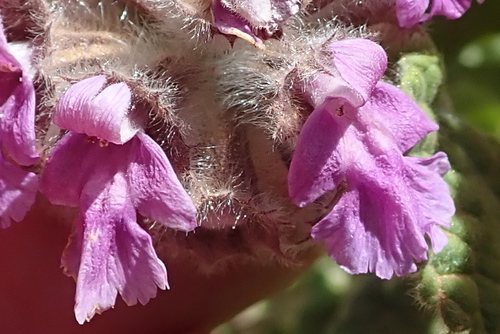
Vitex melicopea
F. Muell.
Vitex
iNaturalist· cc-by-nc
(c) Mark C, some rights reserved (CC BY-NC), uploaded by Mark C
iNaturalist· cc-by-sa
(c) Greg Tasney, some rights reserved (CC BY-SA)
Description
A tree. It grows 30 m high. It can have buttresses. The leaves are compound and opposite. There are 3-5 leaflets and these are 3-15 cm long. The fruit is 4-16 mm across. They occur singly or in bunches on the ends of branches. The ripe fruit can be pink, red, black or brown. The fruit squashed between the fingers leave a yellow stain. There are several seeds within a stony layer. The seeds are 2.5 mm long by 1.5 mm wide. The flesh is edible.
Edible Uses
The fruit flesh is edible.
Distribution
A tropical plant. The plants grow naturally in rainforest in Queensland in Australia. In tropical Queensland it grows from sea level to 340 m altitude.
Where It Grows
Australia*,
Cultivation
Plants are grown from seed. They are slow to germinate. This can take 1-2 years. Plants can be grown from cuttings.
Notes
Also put in the family Verbenaceae.
References (5)
- Anon., 2003, Native Plants for the Fitzroy basin. Society for Growing Australian Plants Inc. (Rockhampton Branch) p 76
- Cooper W & Cooper W T, 1994, Fruits of the Rain Forest. RD Press p 292
- Cooper, W. and Cooper, W., 2004, Fruits of the Australian Tropical Rainforest. Nokomis Editions, Victoria, Australia. p 241
- Melzer, R. & Plumb, J., 2011, Plants of Capricornia. Belgamba, Rockhampton. p 154
- Nicholson, N & H., 1996, Australian Rainforest Plants 2, Terania Rainforest Publishing. NSW. p 64