Spigelia anthelmia
L.
Pink root, Maryland pink
iNaturalist· cc-by-sa
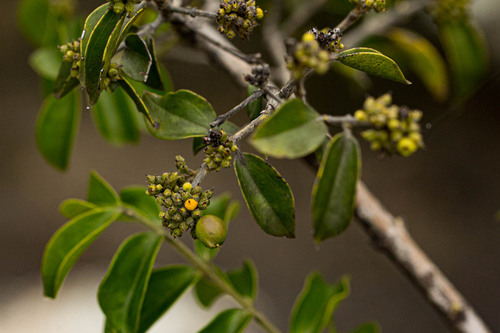
(c) Ong Jyh Seng, some rights reserved (CC BY-SA), uploaded by Ong Jyh Seng
iNaturalist· cc-by-nc
(c) Dr M Chin Sue Min, some rights reserved (CC BY-NC)
iNaturalist· cc-by-nc
(c) Dr M Chin Sue Min, some rights reserved (CC BY-NC)
Summary
Source: WikipediaSpigelia anthelmia, the West Indian pinkroot, wormbush, or wormgrass, is a species of flowering plant in the family Loganiaceae. It is native to Mexico, Central America, the Caribbean, Florida, and northern South America through to Bolivia and Brazil, and it has been widely introduced to other tropical locales, including western and west-central Africa, India, Sri Lanka, Indonesia, Thailand, Peninsular Malaysia, Hainan, and the Bismarck Archipelago. Highly poisonous, it is used as a vermifuge against intestinal worms.
Description
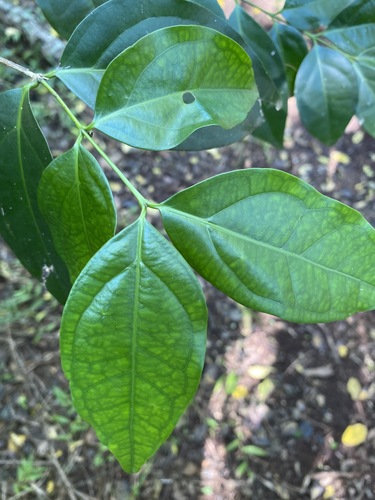
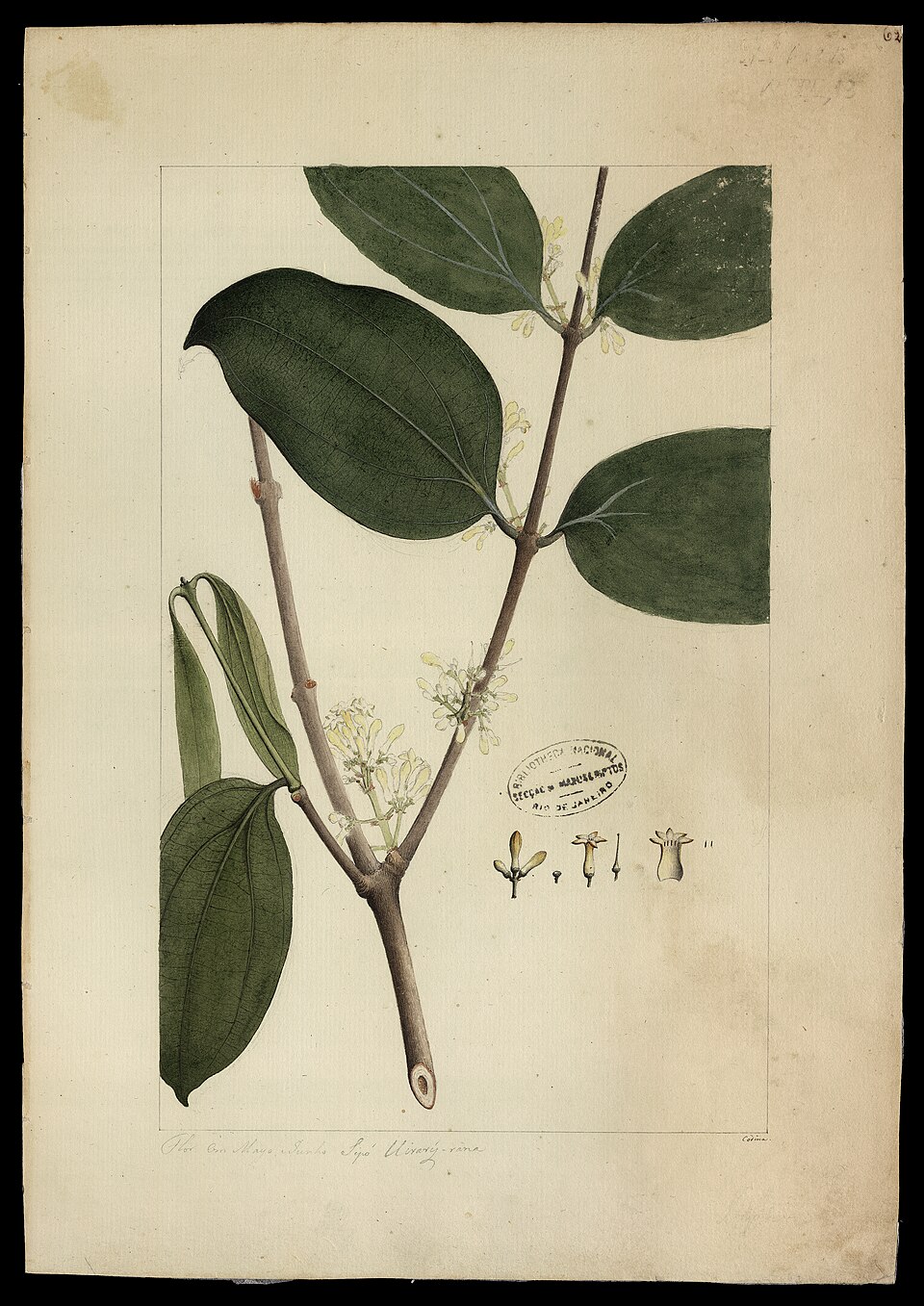
An annual herb. The leaves are opposite and clasp the stem. The upper ones often form a ring. They are 3-12 cm long by 1-5 cm wide. They are oval to sword shaped.
Edible Uses
The leaves are occasionally eaten.
Medicinal Uses
Used as medicine.
Known Hazards
Although used medicinally, the plant is poisonous and has been used in criminal poisoning. Effects of a medicinal overdose in humans include excitement, dizziness, delirium, dilation of the pupils, vomiting and convulsions. Ingestion of the plant may cause dimness of vision with dilated pupils, giddiness, spasms of eye and facial muscles, and convulsions; it can be fatal to children. The fresh plant has been used as a rat poison. Fruiting plants, eaten in large quantities, are poisonous to cattle, causing death 2 - 3 hours after ingestion. However, the intake of sufficient other forage, may cancel out the toxic effects.
Distribution
It is a tropical plant.
Where It Grows
Africa, Benin, Burkina Faso, Dominican Republic, Grenada, Guiana, Guianas, Guyana, Maldives, South America, Suriname, Venezuela, West Africa, West Indies,
Cultivation
Succeeds in any fertile soil in a position in full sun or partial shade. The plant has become naturalized in many parts of the tropics outside its native range, particularly in Africa and Indonesia. Plants can flower and produce seed all year round.
Propagation
Seed - remains viable for at lest three years. Freshly sown seeds have shown a period of dormancy.
Other Uses
The leaves are used as a repellent to deter cockroaches. Alkaloids obtained from the plant, such as spiganthine, ryanodine and related compounds, have demonstrated antifeedant activity against some beetles. In addition, considerable insecticidal activities were observed. An ethyl acetate extract and a methanol extract of the aerial parts had a significant inhibitory effect on egg hatching and larval development of the sheep and goat nematode Haemonchus contortus. Anthelmintic trials against Nippostrongylus braziliensis in rats, using the aqueous fraction, showed a progressive decrease in worm count with increasing dose. Crude ethanol extracts of leaves have shown significant mortality in the tick Boophilus microplus.
Other Information
The leaves are only occasionally eaten.
Notes
It is used as medicine.
Synonyms
Also Known As
Valu kafa
References (3)
- Achigan-Dako, E, et al (Eds), 2009, Catalogue of Traditional Vegetables in Benin. International Foundation for Science.
- Dansi, A., et al, 2008, Traditional leafy vegetables and their use in the Benin Republic. Genet Resour Crop Evol (2008) 55:1239–1256
- World Checklist of Useful Plant Species 2020. Royal Botanic Gardens, Kew