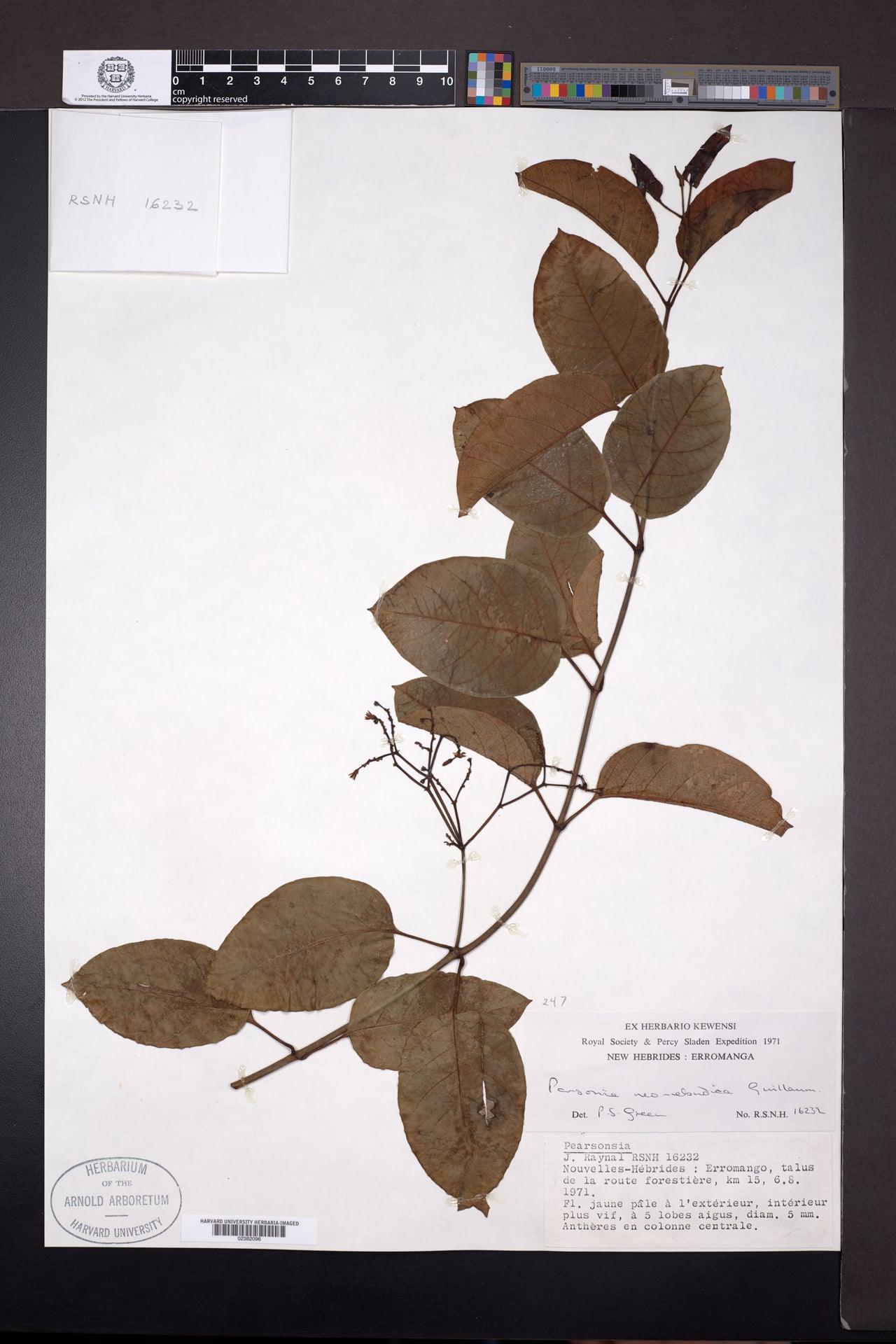
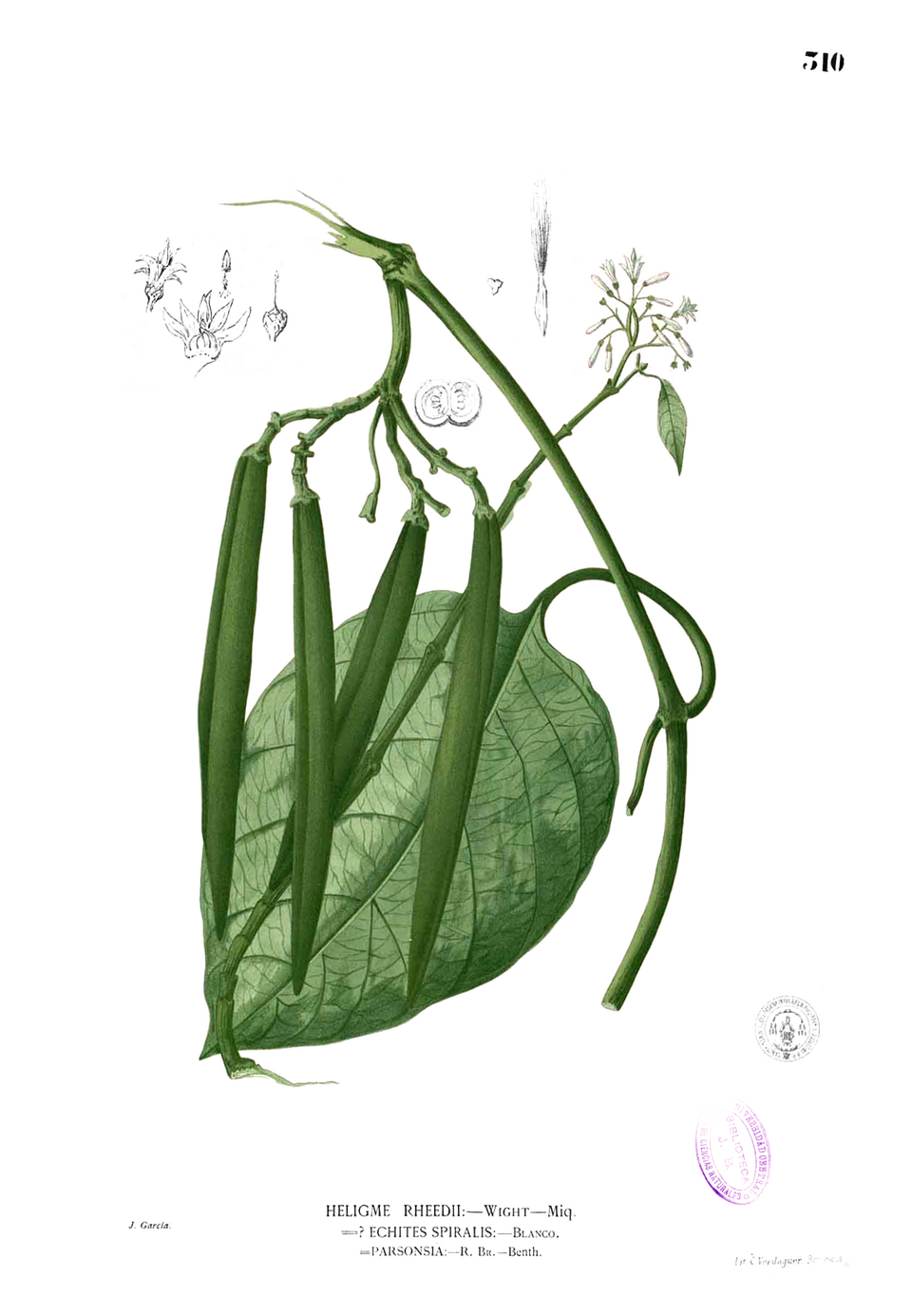
Holarrhena floribunda
(G. Don) T. Durand & Schinz
False rubber tree
iNaturalist· cc-by-nc-sa
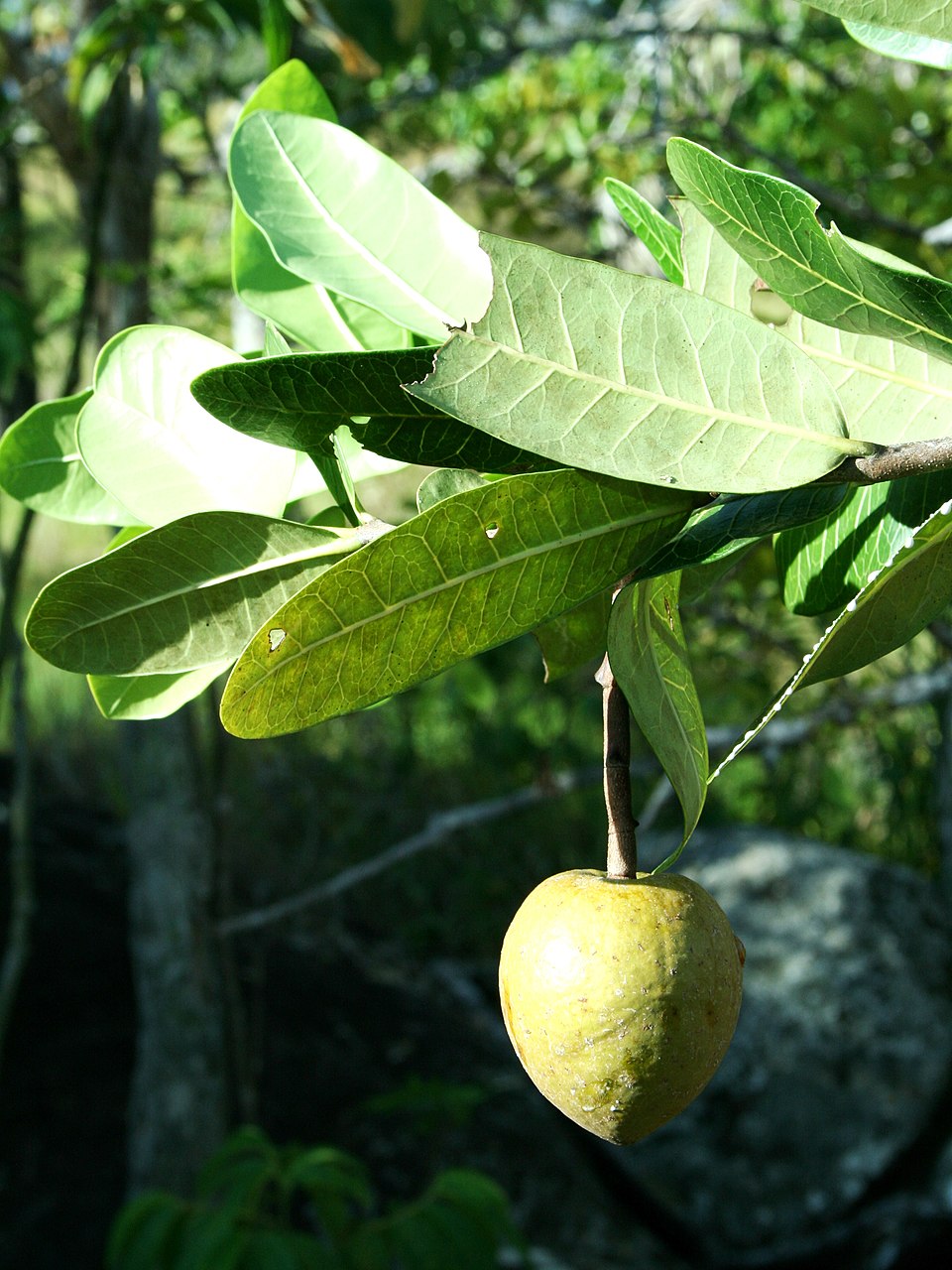
(c) Marco Schmidt, some rights reserved (CC BY-NC-SA)
iNaturalist· cc-by-nc-sa
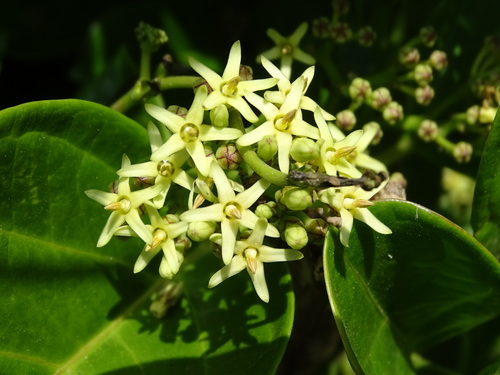
(c) Marco Schmidt, some rights reserved (CC BY-NC-SA)
iNaturalist· cc-by-nc-sa
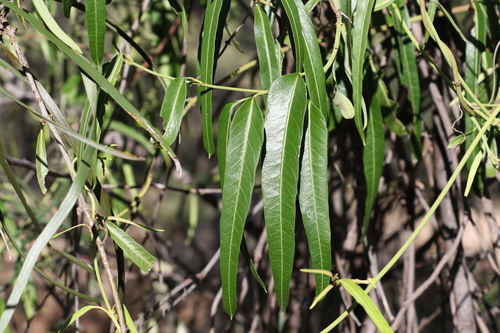
(c) Marco Schmidt, some rights reserved (CC BY-NC-SA)
Summary
Source: WikipediaHolarrhena floribunda, commonly known as the false rubber tree, conessi bark or kurchi bark, is a plant in the family Apocynaceae.
Description
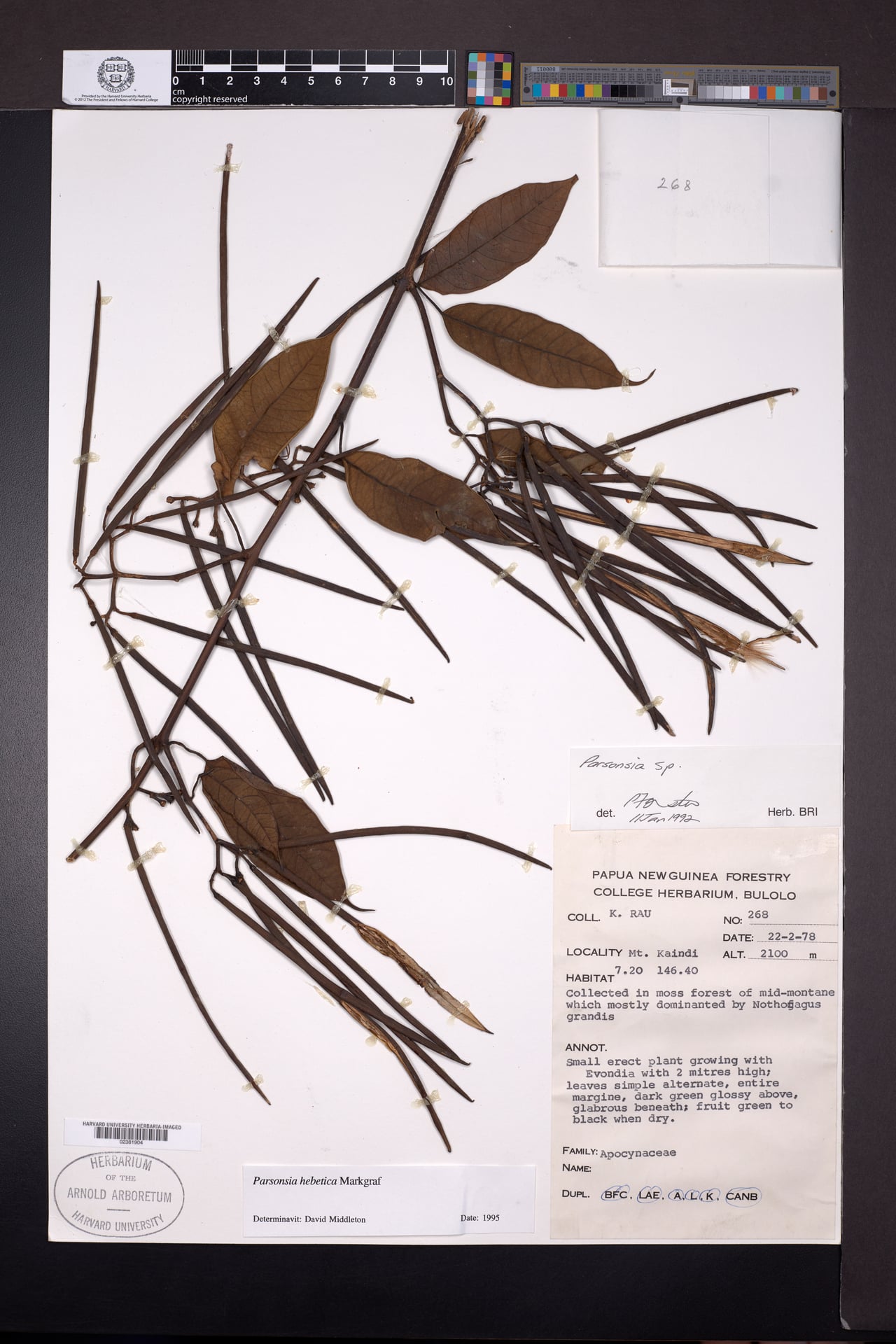
A shrub or tree. It grows 17-25 m high. The trunk can be 30 cm across. The leaves are shiny. The flowers are white. They have a scent. The wood is soft. The fruit is pale grey to dark brown. There are 2 follicles that are 60 cm long.
Edible Uses
The stem is eaten as a vegetable.
Medicinal Uses
The plant contains alkaloids and is used in traditional medicine.
Known Hazards
Holarrhena floribunda is locally used in traditional medicine as a treatment for dysentery, diarrhoea, fever, snakebite, infertility, venereal disease, diabetes and malaria. The plant has been used as arrow poison.
Distribution
It is a tropical plant. It grows in deciduous forest and savannah. It is often in palm groves and along river banks. It grows from sea level to 1,000 m above sea level.
Where It Grows
Africa, Angola, Asia, Benin, Burkina Faso, Cameroon, Central Africa, Central African Republic, CAR, Chad, Congo R, Congo DR, Côte d'Ivoire, Gabon, Gambia, Ghana, Guinea, Guinée, Guinea-Bissau, Indonesia, Ivory Coast, Liberia, Mali, Nigeria, SE Asia, Senegal, Sierra Leone, Togo, West Africa*,
Cultivation
It can be grown from seed. Seed can simply be broadcast. It can also be grown from cuttings.
Propagation
Seed - easy to germinate, fresh seed has a high germination rate but loses its viability within 12 months. Suckers. Small diameter cuttings.
Other Uses
The young stems are flexible and can be bent to make the crook handle of a walking-stick. It is suitable for shaving into wood-wool for packing fruit. The floss from the fruit is used for filling pillows. The bark yields a copious white sticky latex which is resinous, but is of inferior quality. It can be used as a glue. The tree is known as the 'false rubber tree' and its latex has been used to adulterate good latices. The tree may be confused, accidentally or wilfully, with Funtumia elastica, which is the 'true rubber tree' of West Africa. H. Floribunda can be recognized by its bark-slash which is thin, soft, granular and very distinctly and characteristically layered. The wood is soft and uniformly white with no distinction between sapwood and heartwood. The grain is straight. The wood is perishable and is not resistant to termites. It works well; takes nails well. It is used traditionally for carvings, combs, spoons, stirrers for the rice-pot and handles for axes and small implements. In Ghana it is considered by the stool-carvers to be the best white wood available and is also used in Ivory Coast for making carved stools. It is also suitable for house construction and packing cases. The stems are used for the construction of granaries in Benin, as they are easy to work and resistant to the beetle Prostephanus truncatus, a pest of stored grain. The wood is used for fuel and to make charcoal. The trees are sometimes retained when the forest is cleared so that they can provide shade for cacao plantations.
Notes
It contains alkaloids and is used in medicine.
Synonyms
Also Known As
Basa, Bedufe, Bedufi, Bidufe, Bongakon, Bripatche, Charra-quidje, Endama, Ete-eri, Gbasa, Holarrhene, Ka-mats, Kinzenze, Kurchi bark, Machalo, Nukui, Nuku, Pohon karet jantan, Rubitchi, Sese, Tcharaquidje, Tcharico, Tchoraqui, Tendo, Wangolo-wangolo
References (4)
- Batawila, K., et al, 2007, Diversite et gestion des legumes de cueillete au Togo. African Journal of Food, Agriculture, Nutrition and Development 7( 3& 4): 64
- Latham, P., 2004, Useful Plants of Bas-Congo province. Salvation Army & DFID p 151
- Oteng-Amoako, A. A. (Ed.), 2006, 100 Tropical African Timber Trees from Ghana. Forestry Research Institute of Ghana. p 158
- Sukarya, D. G., (Ed.) 2013, 3,500 Plant Species of the Botanic Gardens of Indonesia. LIPI p 324