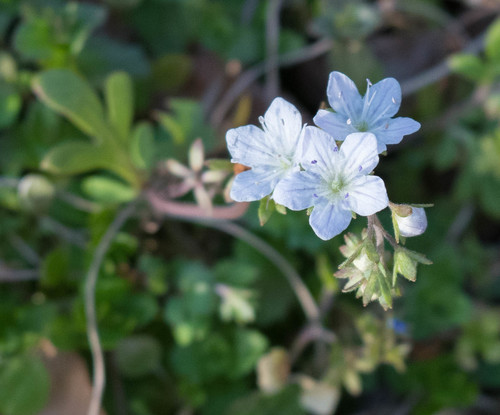
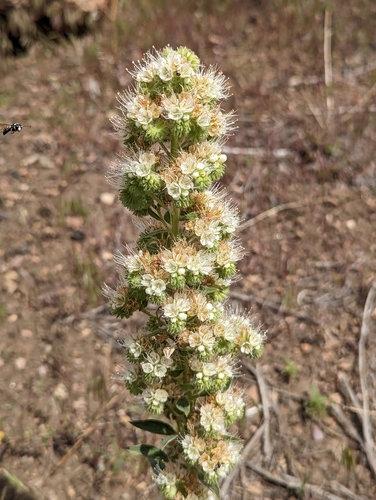
Cordia oncocalyx
Allemao
iNaturalist· cc-by-nc
(c) Célio Moura Neto, some rights reserved (CC BY-NC)
iNaturalist· cc-by-nc
(c) Célio Moura Neto, some rights reserved (CC BY-NC)
Description
A tropical shrub or tree in the Boraginaceae family with edible fruit.
This description is brief — help expand it
Edible Uses
Although we have seen no specific information for this species, the fruits of most Cordia species are comprised of a thin to fairly thick layer of pulpy, sweetish-tasting flesh surrounding a single seed and are more or less edible, (though some are known to cause gastric disturbances).
Medicinal Uses
The fruit contains oncocalyxone, a chemical with potential anti-cancer properties.
Distribution
It is a tropical plant.
Where It Grows
Brazil, South America,
Cultivation
A plant of the 'Caatinga' dry forest region of northeast Brazil. The climate is hot and dry, there are usually 6 to 11 months without rain each year. The mean annual rainfall varies from 250 - 1,000mm, and the mean annual temperature is from 24 - 26°c. Requires a sunny position. Requites a moist soil of at least moderate fertility. Established plants are very drought tolerant. A slow-growing tree.
Propagation
Seed - best sown as soon as it is ripe in a partially shaded position in a nursery seedbed or in individual containers. A low germination rate can be expected, with the seed sprouting within 70 - 100 days. Seedlings grow away slowly, taking 8 - 10 months before they are ready to plant out. The seeds have a viability in excess of 10 months in storage.
Other Uses
The heartwood is clearly demarcated from the narrow band of sapwood. The wood is heavy; hard; with a smooth and lustrous surface; good mechanical properties; very resistant to rot. It is widely used in house building for purposes such as tie beams, scantlings, floor boards etc; it is also used for making furniture, window frames, wooden trunks, and for external purposes such as fence posts and stakes.
Notes
The fruit contains oncocalyxone a potential anti-cancer chemical.
Synonyms
Also Known As
Pau branco
References (2)
- Kermath, B. M., et al, 2014, Food Plants in the Americas: A survey of the domesticated, cultivated and wild plants used for Human food in North, Central and South America and the Caribbean. On line draft. p 111 (As Auxemma oncocalyx)
- Martin, F. W., et al, 1987, Perennial Edible Fruits of the Tropics. USDA Handbook 642 p 92 (As Auxemma oncocalyx)