Ehretia amoena
Klotzsch
Sandpaper bush, Stamperwood
iNaturalist· cc-by-nc
(c) Graeme White, some rights reserved (CC BY-NC), uploaded by Graeme White
iNaturalist· cc-by-nc
(c) Nick Helme, some rights reserved (CC BY-NC)
iNaturalist· cc-by-nc
(c) Nick Helme, some rights reserved (CC BY-NC)
Description
A shrub. It grows 3-4 m tall. It loses its leaves during the year. It has ashy white smooth branches. The bark is whitish or light grey. The leaves are oval and up to 6-11 cm long by 8 cm wide. They are blunt and with coarse teeth at the tip. They are dark green and rough on top and hairy below. The flowers are small and white. They have a smell. They occur on loose clusters at the ends of branches. The fruit are small and round and are green but turn orange when ripe. The fruit are 5-7 mm across. The fruit are edible.
Edible Uses
The ripe orange fruits are eaten fresh as a snack, and are especially popular with children.
Traditional Uses
The fruit are eaten as a snack.
This uses section is brief — help expand it
Distribution
A tropical plant. It occurs at medium to low altitudes often in hot areas. They are along the banks of watercourses and in sand forests near the coast. It can be on termite mounds. In Zimbabwe it grows up to 1,150 m above sea level. It can grow in arid places. It suits hardiness zones 9-11.
Where It Grows
Africa, Australia, Botswana, East Africa, Eswatini, Kenya, Malawi, Mozambique, Namibia, South Africa, Southern Africa, Swaziland, Tanzania, Zambia, Zimbabwe,
Cultivation
The plant responds well to pollarding and lopping.
Other Uses
The wood is hard. It is used for making pestles, furniture, farm implements, walking sticks and tool handles. The wood is used for fuel. The flowers are a good source of forage for bees.
Other Information
The fruit are especially eaten by children.
Notes
There are about 50 Ehretia species.
Synonyms
Also Known As
Bungela, Chivhunabadza, Libhungela, Munakanezuva, Namulavitavi, Pouana, Quaquacho, Stamperhout, Umklele
References (18)
- Cundall, P., (ed.), 2004, Gardening Australia: flora: the gardener's bible. ABC Books. p 531
- Cunningham, 1985,
- Etherington, K., & Imwold, D., (Eds), 2001, Botanica's Trees & Shrubs. The illustrated A-Z of over 8500 trees and shrubs. Random House, Australia. p 274
- FAO, 1988, Traditional Food Plants, FAO Food and Nutrition Paper 42. FAO Rome p 262
- Fowler, D. G., 2007, Zambian Plants: Their Vernacular Names and Uses. Kew. p 15
Show all 18 references Hide references
- Fox, F. W. & Young, M. E. N., 1982, Food from the Veld. Delta Books. p 134
- Long, C., 2005, Swaziland's Flora - siSwati names and Uses http://www.sntc.org.sz/flora/
- Ogle & Grivetti, 1985,
- Palgrave, K.C., 1996, Trees of Southern Africa. Struik Publishers. p 802
- Palmer, E and Pitman, N., 1972, Trees of Southern Africa. Vol. 2. A.A. Balkema, Cape Town p 1945
- Peters, C. R., O'Brien, E. M., and Drummond, R.B., 1992, Edible Wild plants of Sub-saharan Africa. Kew. p 71
- Roodt, V., 1998, Trees & Shrubs of the Okavango Delta. Medicinal Uses and Nutritional value. The Shell Field Guide Series: Part 1. Shell Botswana. p 193
- Royal Botanic Gardens, Kew (1999). Survey of Economic Plants for Arid and Semi-Arid Lands (SEPASAL) database. Published on the Internet; http://www.rbgkew.org.uk/ceb/sepasal/internet [Accessed 4th April 2011]
- Ruiters-Welcome, A. K., 2019, Food plants of southern Africa. Ph.D. thesis. Univ. of Johannesburg p 38
- Schmidt, E., Lotter, M., & McCleland, W., 2007, Trees and shrubs of Mpumalanga and Kruger National Park. Jacana Media p 572
- Welcome, A. K. & Van Wyk, B.-E., 2019, An inventory and analysis of the food plants of southern Africa. South African Journal of Botany 122 (2019) 136–179
- World Checklist of Useful Plant Species 2020. Royal Botanic Gardens, Kew
- www.zimbabweflora.co.zw 2011
More from Boraginaceae
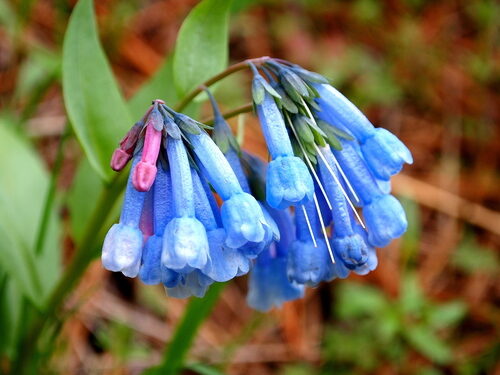
Mertensia longiflora
Small bluebells
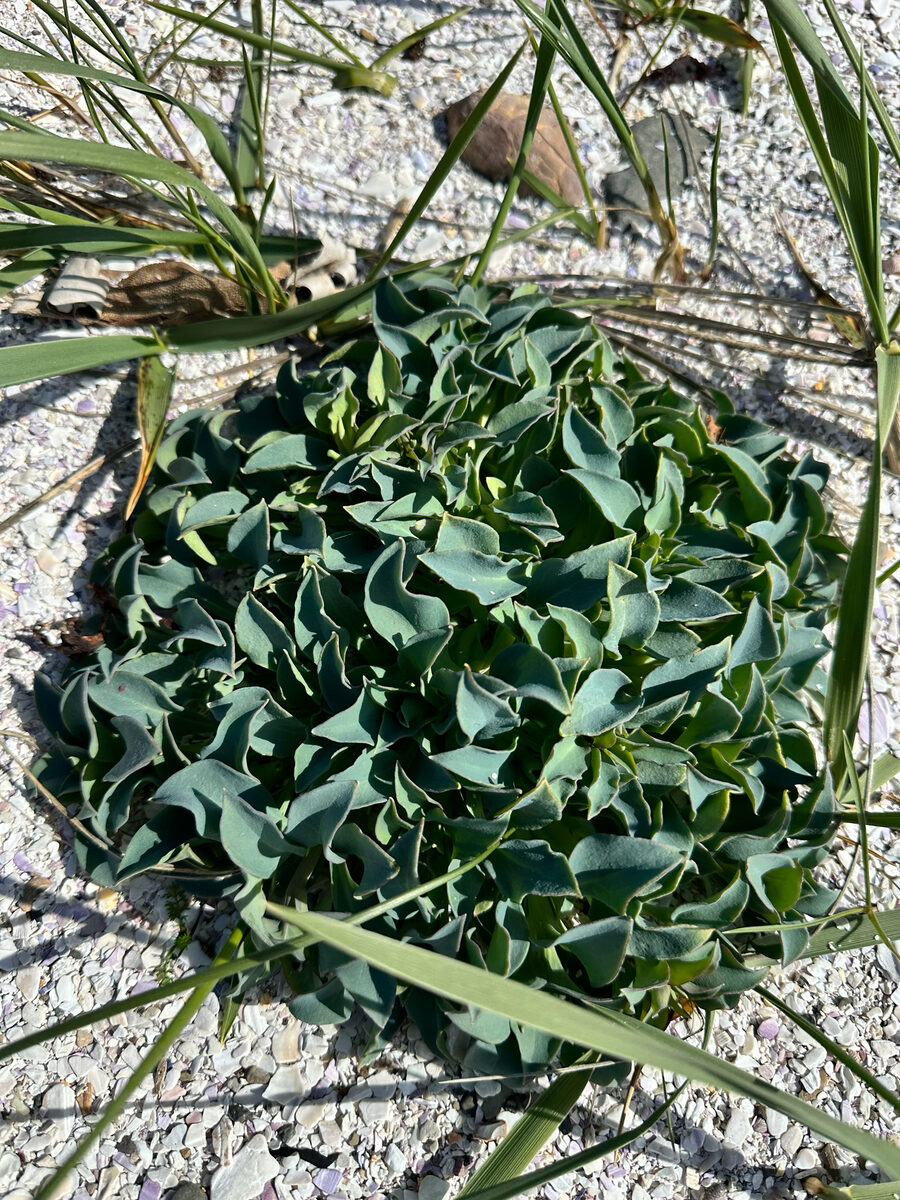
Mertensia maritima - (L.)S.F.Gray.
Oyster Plant
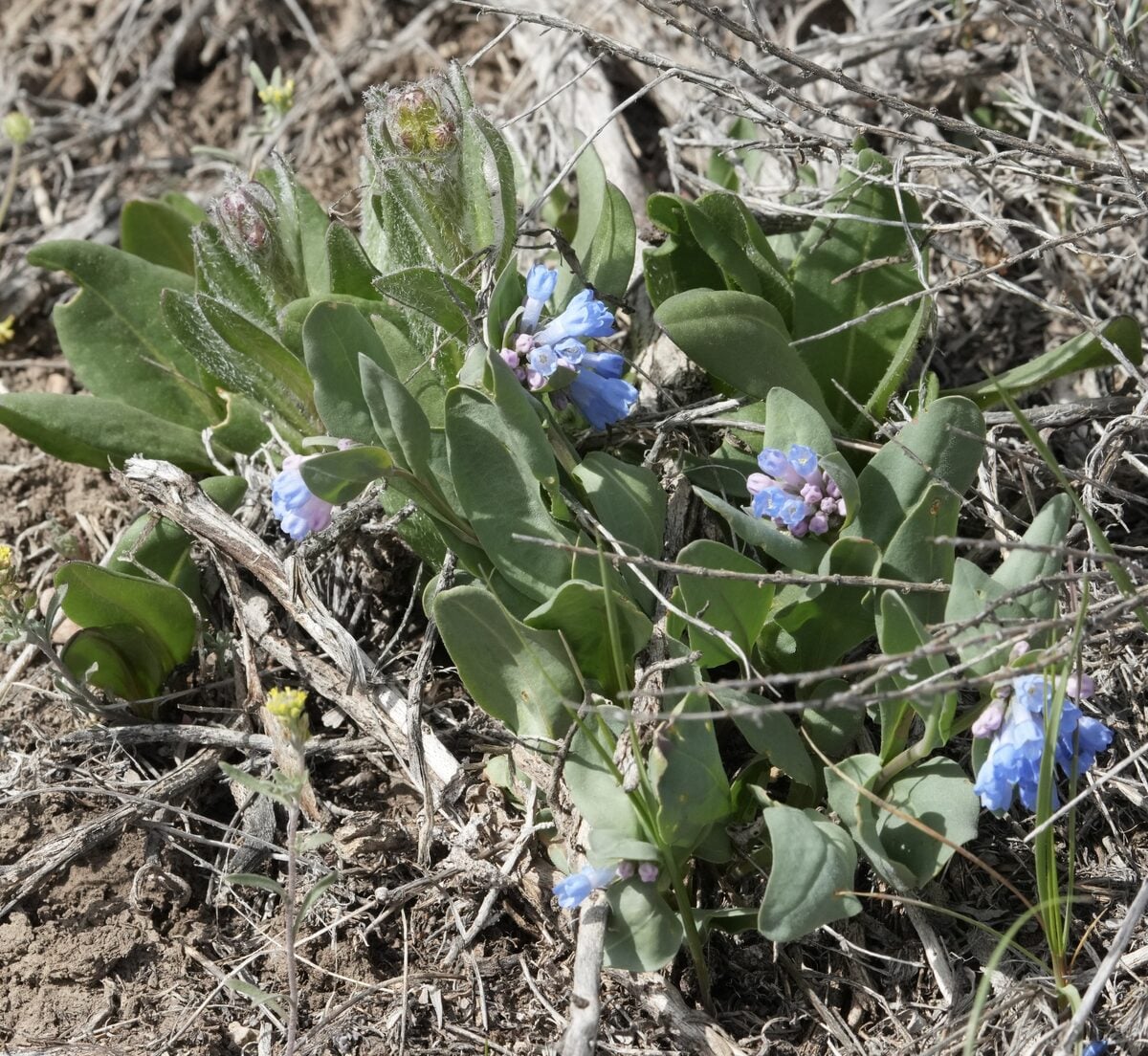
Mertensia oblongifolia - (Nutt.)G.Don.
Oblongleaf bluebells
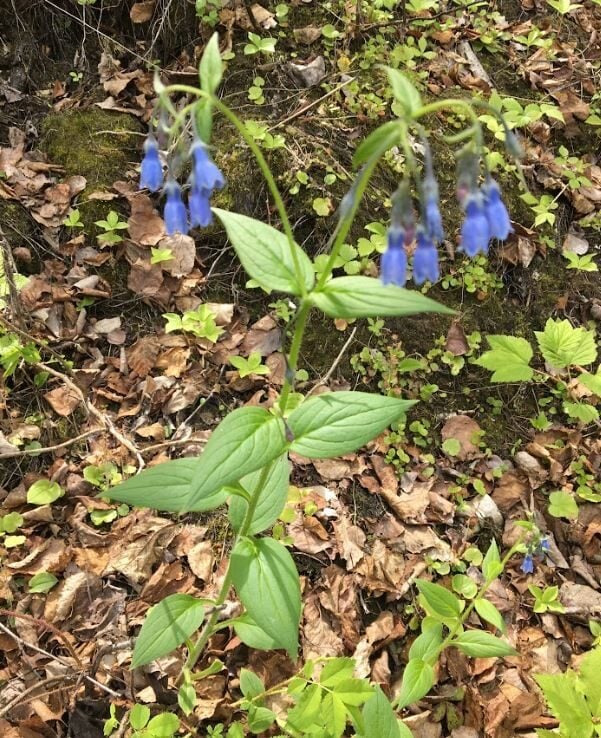
Mertensia paniculata - (Aiton.)G.Don.
Tall bluebells, Alaska tall bluebells, Northern bluebells, Eastwood's bluebells
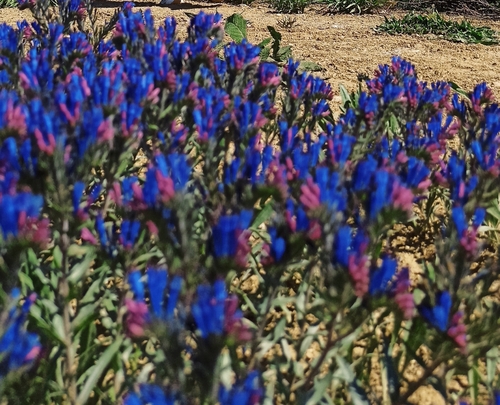
Moltkia coerulea
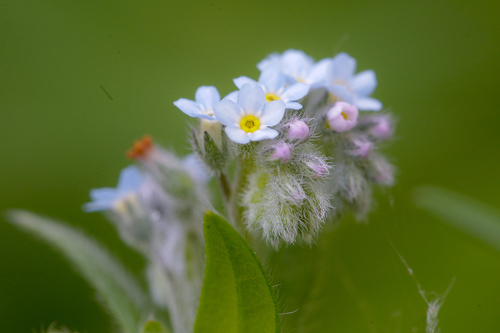
Myosotis arvensis
Field forget-me-not