Polyalthia debilis
(Pierre) Finet & Gagnep.
iNaturalist· cc-by-nc
(c) ab_satta, some rights reserved (CC BY-NC), uploaded by ab_satta
iNaturalist· cc-by-nc
(c) ab_satta, some rights reserved (CC BY-NC)
Description
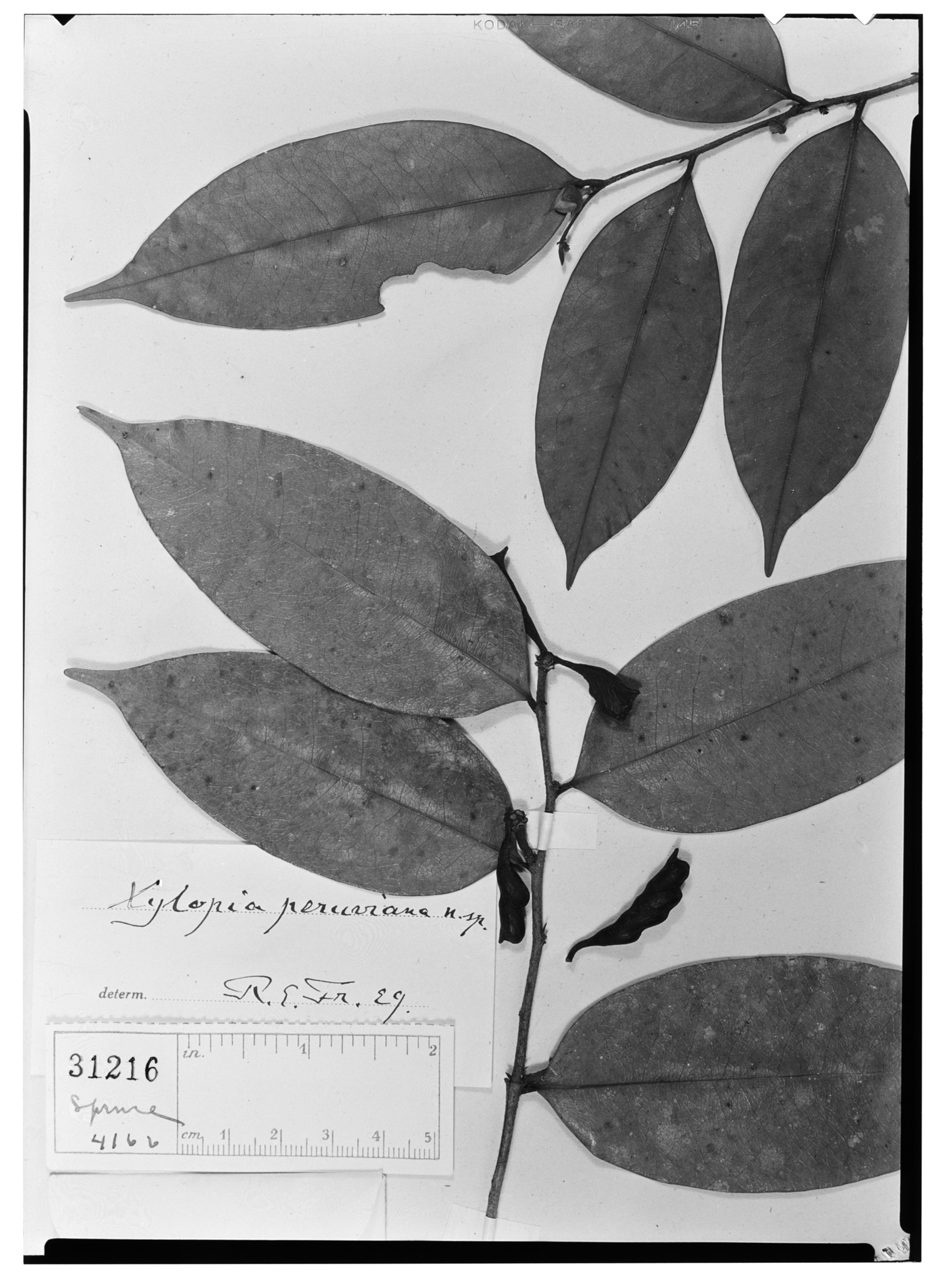
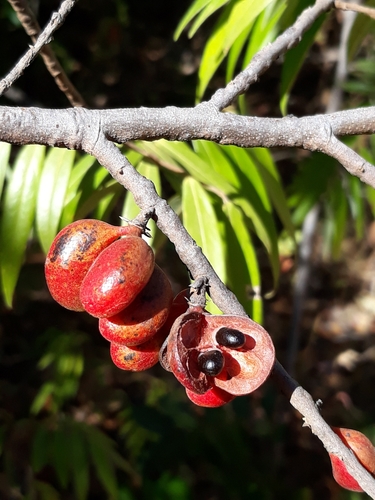
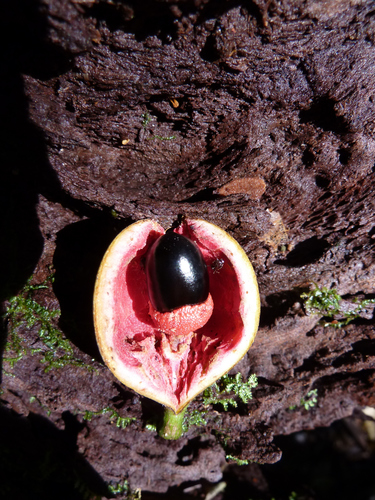
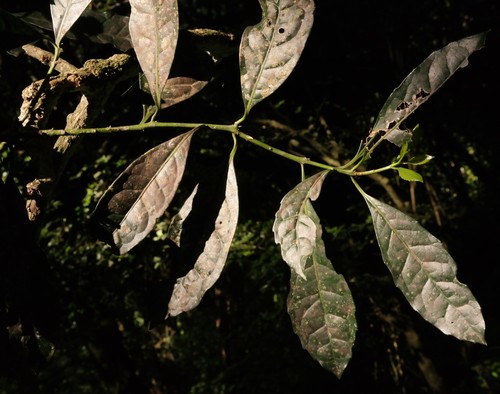
A small shrub. It grows 60 cm tall. The branches have a brown covering. The leaves are simple and alternate. They are 5-8 cm long and 2-4 cm wide. The flowers occur singly in the axils of leaves. They are pale yellow. The fruit are round or oblong and yellowish. They have 1-2 seeds.
Edible Uses
The ripe fruit are eaten.
Traditional Uses
The ripe fruit are eaten.
This uses section is brief — help expand it
Medicinal Uses
The roots have antimalarial activity.
Distribution
It is a tropical plant. It grows in deciduous forest at 330 m above sea level.
Where It Grows
Asia, Indochina, SE Asia, Thailand, Vietnam,
Production
In NE Thailand fruit are ripe March to May.
Notes
An unresolved name in The Plant List. The roots have some antimalarial activity.
Synonyms
Also Known As
Bak lok kok, Kluai tao, Noom wooa
References (4)
- Craib, W. G., Contributions to the flora of Siam. p 15 (As Unona dubia)
- Cruz-Garcia, G. S., & Price, L. L., 2011, Ethnobotanical investigation of 'wild' food plants used by rice farmers in Kalasin, Northeast Thailand. Journal of Ethnobiology and Ethnomedicine 7:33
- Kachenchart, B., et al, 2008, Phenology of Edible Plants at Sakaerat Forest. In Proceedings of the FORTROP II: Tropical Forestry Change in a Changing World. Bangkok, Thailand.
- Suksri, S., et al, 2005, Ethnobotany in Bung Khong Long Non-Hunting Area, Northeast Thailand. Kasetsart J., (Nat. Sci) 39: 519-533