Xylopia sericea
A. St. Hil.
iNaturalist· cc-by-nc
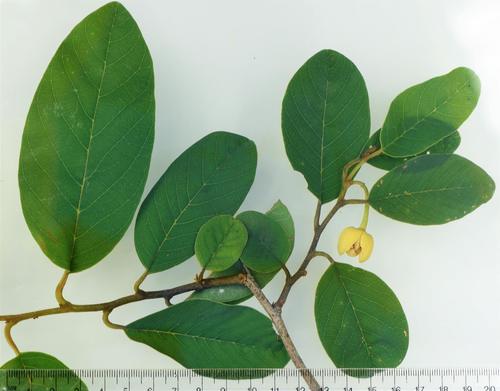
(c) Laurent Quéno, some rights reserved (CC BY-NC), uploaded by Laurent Quéno
iNaturalist· cc-by-nc
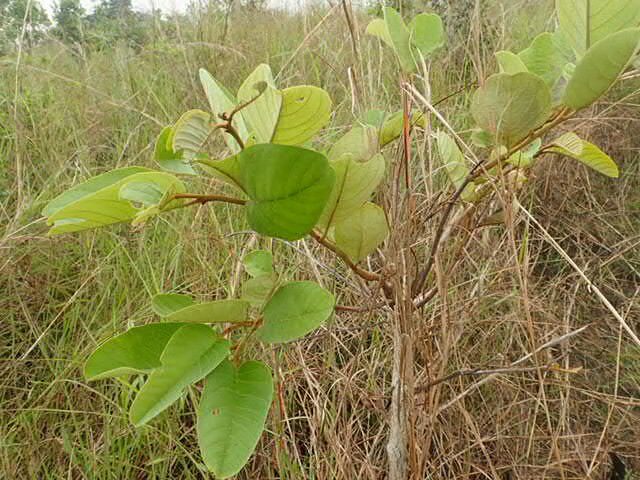
(c) Laurent Quéno, some rights reserved (CC BY-NC), uploaded by Laurent Quéno
iNaturalist· cc-by-nc
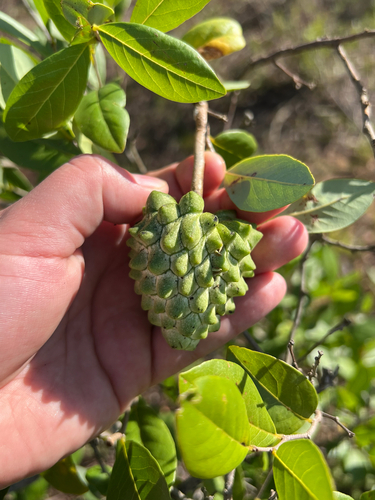
(c) edvandroabreuribeiro, some rights reserved (CC BY-NC), uploaded by edvandroabreuribeiro
Summary
Source: WikipediaXylopia sericea is a species of plant in the Annonaceae family. It is native to Cerrado vegetation in Brazil.
Description
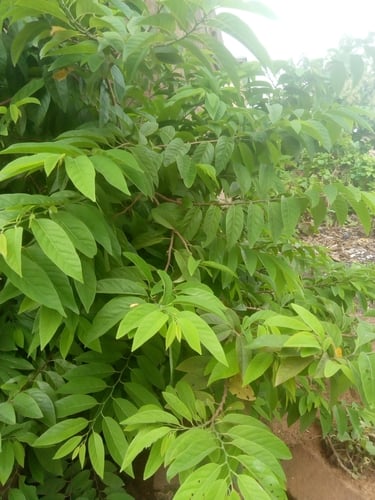
A medium-sized tree. The branches are horizontal. The larger trees can have buttresses. The leaves are narrow and pointed. They have long white hairs underneath.
Edible Uses
The black seeds are used as a black pepper substitute, functioning as a spice.
Traditional Uses
The seeds are a black pepper substitute.
This uses section is brief — help expand it
Medicinal Uses
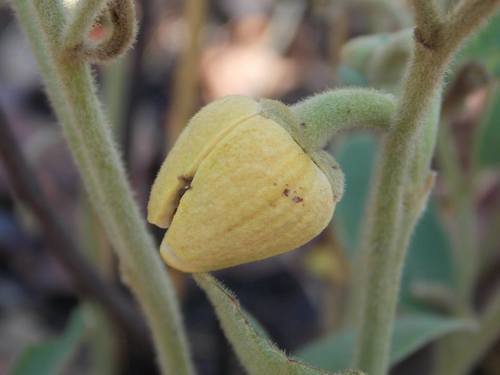
The seeds are aromatic and carminative. They are used in the treatment of intestinal problems. The seed capsules are used in the treatment of piles. They are supposed to have vasoconstricting properties. Several diterpenes have been detected in the fruit.
Distribution
A tropical plant. It grows in wet lowland regions. It can be in forests. In Colombia it grows between 50-250 m above sea level.
Where It Grows
Bolivia, Brazil, Central America, Colombia, Costa Rica, Guiana, Guianas, Guyana, Nicaragua, Panama, South America, Suriname, Venezuela,
Cultivation
A plant of mainly low elevations in the moist tropics, where it can be found at elevations up to 1,000 metres. Prefers a sunny position. Succeeds in dry soils of low fertility. Established plants are drought tolerant. Newly planted young trees are slow to establish and grow away.
Propagation
Seed - germination rates and time are improved if the seed is scarified by lightly abrading the seedcoat prior to sowing. Sow the seeds in a nursery seedbed. Germination rates are usually low, with sprouting taking place within 30 - 60 days. Transplant the seedlings into individual containers when they are 4 - 6cm tall. Seedlings are quite slow growing and it will take 9 - 11 months from germination until they are ready to plant into their permanent positions.
Other Uses
A fibre from the bark is used to make rough ropes. It has been used for boat cables. The fibre of this plant, if so it may be called, is of the coarsest description and consists only of the cortical layers of bark, which are torn from the trees in ribbon-like strips. These have no use that can be dignified by the name of manufacture, and are only rudely twisted or plaited by the local people into a kind of coarse cordage, which is used to tie fences and sometimes to secure cattle. Doubtless, in skilled hands, finer specimens of cordage might be produced, though, strictly speaking, it does not possess fibrous material. It would be available for mats. The wood is light in weight; soft but sufficiently flexible; moderately durable when kept dry; easy to work. It has been used in making the masts of small boats, stays, wagon wheels etc.
Synonyms
Also Known As
Aponoto-yek, Dririn yo, Embireira, Espintana, Inicha, Pau-de-anzol, Pau-de-embira, Pimenta-da-terra, Pimenta-de-macaco, Pimenta-do-sertao, Pindaiba, Pindaiba-preta
References (8)
- Condit, R., et al, 2011, Trees of Panama and Costa Rica. PrincetonField Guides. p 62
- Fl. Bras. merid. 1:41. 1825
- Grandtner, M. M. & Chevrette, J., 2013, Dictionary of Trees, Volume 2: South America: Nomenclature, Taxonomy and Ecology. Academic Press p 708
- Hedrick, U.P., 1919, (Ed.), Sturtevant's edible plants of the world. p 690
- Kermath, B. M., et al, 2014, Food Plants in the Americas: A survey of the domesticated, cultivated and wild plants used for Human food in North, Central and South America and the Caribbean. On line draft. p 931
Show all 8 references Hide references
- Murillo-A, J., 2001, Annonaceae of Colombia. Biota Colombiana 2(1): 49-51
- Oliviera V. B., et al, 2012, Native foods from Brazilian biodiversity as a source of bioactive compounds. Food Research International 48 (2012) 170-179
- Roa, J. A. G. & Boada, D. S. G., 2018, Fundación para el Fortalecimiento de la Fruticultura y Plantas Alimenticias no Convencionales en Colombia.