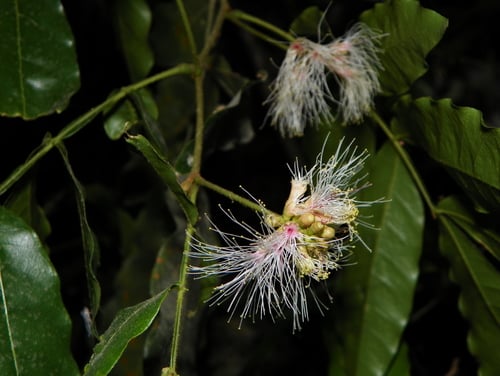
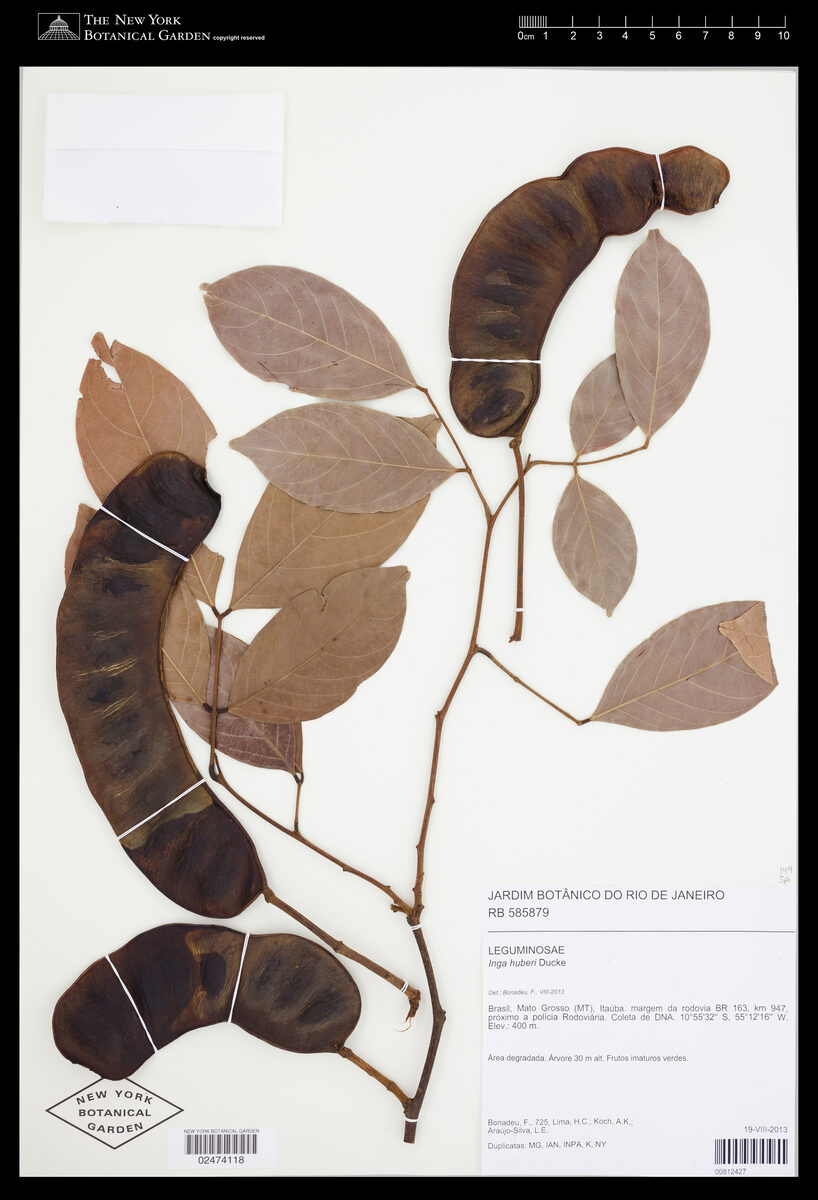
Prosopis glandulosa var. torreyana
(L. D. Benson) M. C. Johnst.
Western honey mesquite
gbif· cc-by-nc
University of New Mexico Herbarium (UNM-Vascular Plants)
gbif· cc-by-nc
University of New Mexico Herbarium (UNM-Vascular Plants)
gbif· cc-by-nc
University of New Mexico Herbarium (UNM-Vascular Plants)
Description
A Fabaceae tree growing to approximately 7 meters tall with yellow flowers, found in Mediterranean climate regions. Multiple parts are edible and have been traditionally used for food storage and preparation.
Edible Uses
The flowers are used to make tea or are roasted and stored. The pods are eaten fresh, stored, or made into meal cakes. The seeds are parched and made into cakes, or sun-dried, pounded into meal, and eaten. The gum is also edible.
Traditional Uses
The flowers are used to make tea. The flowers are also roasted and stored. The pods are used to make meal cakes. The pods are eaten fresh and also stored. The seeds are parched and used to make cakes. They are also sun dried and pounded into meal and eaten.
Distribution
It is a Mediterranean climate plant.
Where It Grows
Mexico, North America, USA,
Notes
Also as Mimosaceae.
References (4)
- Desert Survivors Online Plant Database
- Estrada-Castillon, E., et al, 2014, Ethnobotany in Rayones, Nuevo Leon, Mexico. Journal of Ethnobiology and Ethnomedicine, 10:62
- Kermath, B. M., et al, 2014, Food Plants in the Americas: A survey of the domesticated, cultivated and wild plants used for Human food in North, Central and South America and the Caribbean. On line draft. p 704
- Moerman, D. F., 2010, Native American Ethnobotany. Timber Press. p 437