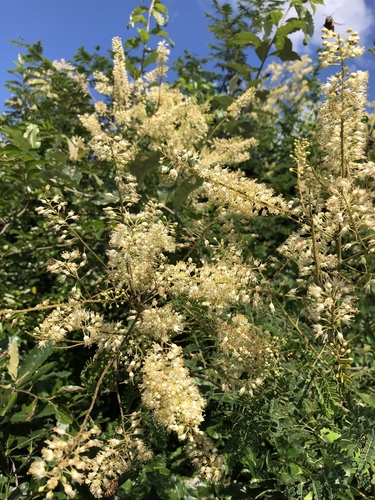
Senegalia chariessa
(Milne-Redh.) Kyal. & Boatwr.
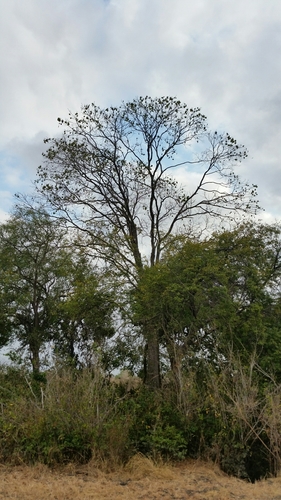
iNaturalist· cc-by-nc
(c) Bart Wursten, some rights reserved (CC BY-NC), uploaded by Bart Wursten
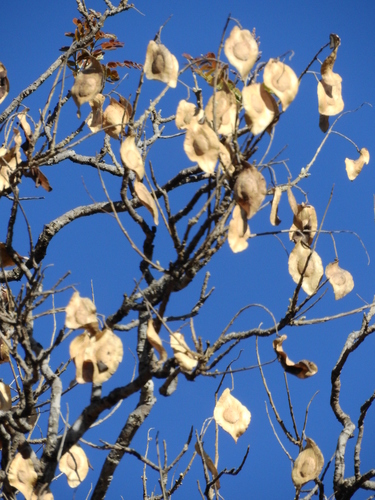
iNaturalist· cc-by-nc
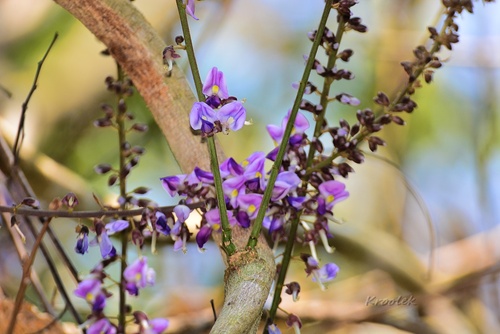
(c) Bart Wursten, some rights reserved (CC BY-NC)
Description
A low spreading shrub. It can grow 1.5 m tall. The leaves have 14-32 pairs of leaflets on 2-10 pairs of leaf stalks along the leaf. The flowers are white to yellow in spikes 1.5-4 cm long. The pods are brown or purple and 3-6.5 cm long by 1-1.6 cm wide. The seeds are 5-8 mm across.
Edible Uses
The seeds can be eaten after cooking to remove cyanide compounds.
Traditional Uses
The plant can contain cyanide and would need to be cooked.
This uses section is brief — help expand it
Known Hazards
The plant contains cyanide and must be cooked before consumption.
Distribution
It is a tropical plant. In Zimbabwe it grows between 1,000-1,450 m above sea level.
Where It Grows
Africa, Zimbabwe*,
Synonyms
Also Known As
Ulutatau
References (1)
- World Checklist of Useful Plant Species 2020. Royal Botanic Gardens, Kew