Senegalia greggii
(A. Gray) Britton & Rose
wikimedia· cc-by-sa
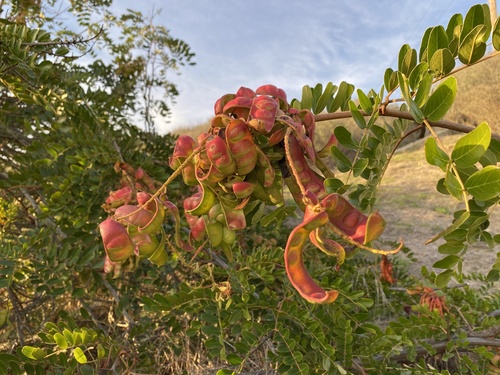
Don Carlson (via Wikimedia Commons)
wikimedia· cc0
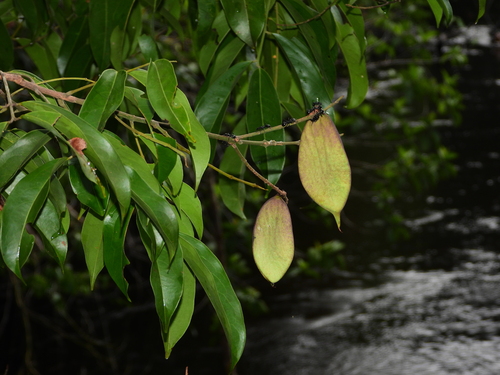
Sue in az (via Wikimedia Commons)
wikimedia· cc0
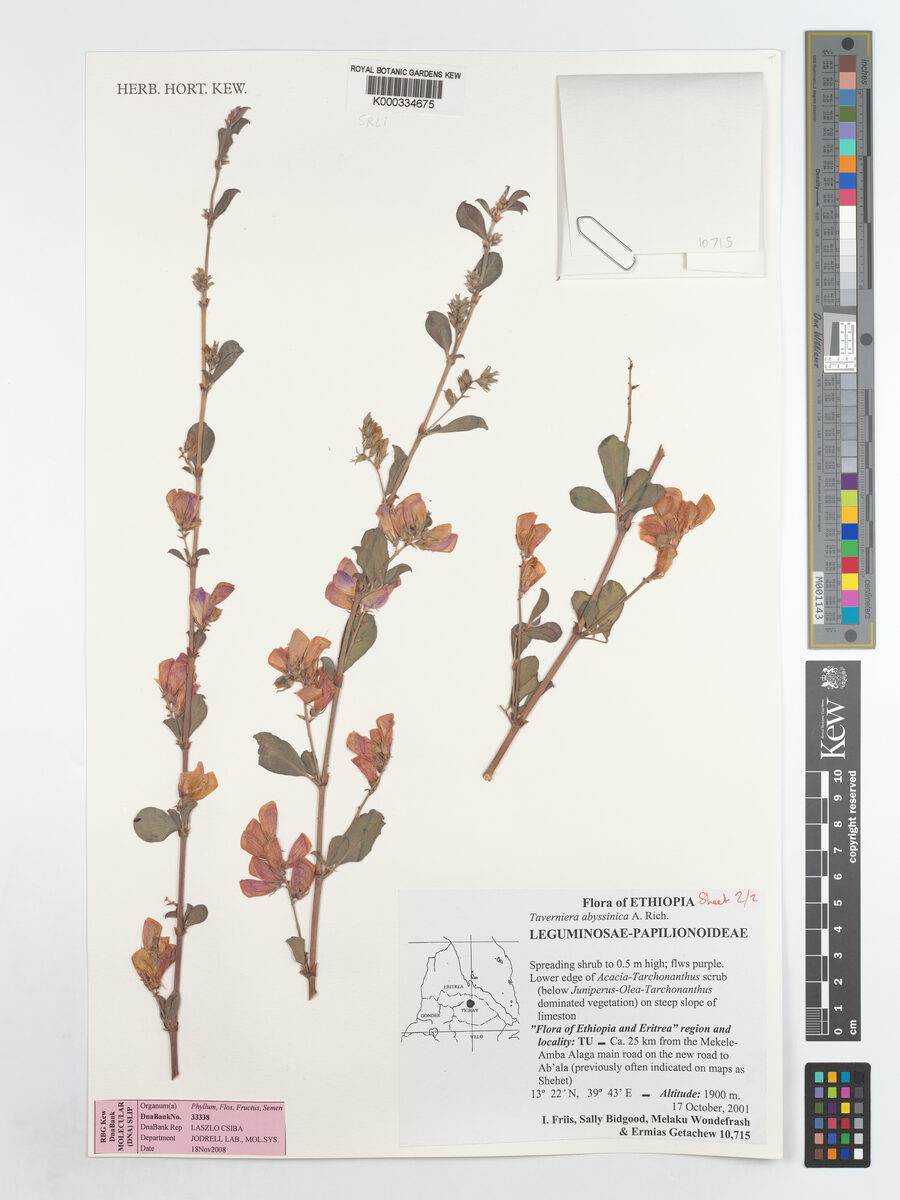
Wikimedia Commons (via Wikimedia Commons)
iNaturalist· cc-by-nc
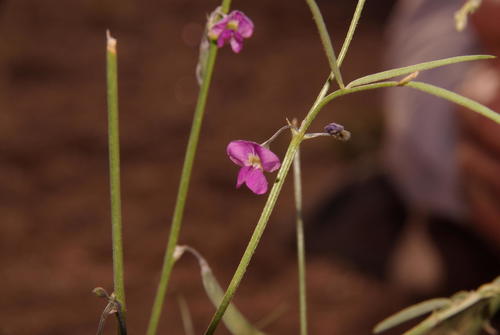
(c) W. Terry Hunefeld, some rights reserved (CC BY-NC)
iNaturalist· cc-by-nc
(c) W. Terry Hunefeld, some rights reserved (CC BY-NC)
iNaturalist· cc-by-nc
(c) dalemeister, some rights reserved (CC BY-NC)
Summary
Source: WikipediaSenegalia greggii, formerly known as Acacia greggii, is a species of tree in the genus Senegalia native to the southwestern United States and northern Mexico, from the extreme south of Utah south through southern Nevada, southeast California, Arizona, New Mexico and western Texas to Baja California, Sinaloa and Nuevo León in Mexico. The population in Utah at 37°10' N is the northernmost naturally occurring Senegalia species anywhere in the world. Common names include acacia bush, catclaw acacia, catclaw mesquite, Gregg's catclaw, paradise flower, wait-a-minute bush, and wait-a-bit tree; these names mostly come from the fact that the tree has numerous hooked prickles with the shape and size of a cat's claw which tend to hook onto passers-by; the hooked person must stop ("wait a minute") to remove the prickles carefully to avoid injury or shredded clothing. (The common name "cat's claw" is also used to refer to several other plant species, including Uncaria tomentosa, a woody vine found in the tropical jungles of South and Central America.) The specific epithet greggii refers to Josiah Gregg, a 19th-century author, explorer, and amateur naturalist of the American Southwest and northern Mexico.
Description
A deciduous shrub or small tree reaching 6m tall and 6m wide, growing slowly. Hardy to UK zone 8 and not frost tender. Insect-pollinated flowers attract wildlife. Tolerates light sandy, medium loamy, and heavy clay soils, preferring well-drained conditions and nutritionally poor soil. Grows in mildly acid, neutral, and mildly alkaline pH. Requires full sun and tolerates both dry and moist soil with drought resistance.
Edible Uses
The seeds and seedpods can be eaten fresh, dried, or ground into a powder, though their bitter flavour means they are generally only consumed when better foods are unavailable. The seeds are round and typically 5–7mm in size. The most practical edible stage is the immature seedpods, which appear in early summer shortly after flowering. At this stage the pods are small, dull green, and often hairy. They can be gathered and cooked before the seeds begin to develop; once the seeds enlarge, the pods become too tough to use as a vegetable. Raw pods are inedible due to extremely high tannin content and cyanide-based compounds — they must be boiled in several changes of water until the liquid stops turning brown. This reduces tannins, neutralizes toxins, and improves flavour. Thoroughly boiled pods taste somewhat like green beans, though with a persistent bitter note, and retain a fibrous, stringy texture even after long cooking. Much of the pod remains as fibrous debris, with edible portions chewed out rather than swallowed whole. Mature pods turn reddish-brown and twisted, containing flat, round, shiny black seeds with an intensely acrid, unpleasant taste. No preparation method is known that makes mature seeds edible, and their consumption is not recommended. The immature green pods, though difficult to chew, can serve as a survival food when carefully prepared. Harvesting is straightforward, though the plant's sharp thorns make collecting painful without care.
Medicinal Uses
The pods are used to make an eyewash for treating conjunctivitis. Ground leaves and pods form a powder that stops minor bleeding and soothes chafed skin or diaper rash. This powder made into a tea can be used as an antimicrobial wash or drunk to treat diarrhoea and dysentery. Native Americans used catclaw acacia to soothe sore flank and back muscles in their horses. A tea from the flowers and leaves can treat nausea, vomiting, and hangovers. A tea made from the thick, sticky root treats sore throats, mouth inflammations, and coughs.
Distribution
It is a subtropical plant.
Where It Grows
Mexico,
Propagation
Seed is best sown as soon as ripe in a sunny position in a warm greenhouse. Dried seed typically has a hard seedcoat and benefits from scarification: pour a small amount of nearly boiling water over the seeds (do not cook them), then soak in warm water for 12–24 hours until swollen. If not swollen, carefully nick the seedcoat without damaging the embryo and soak for a further 12 hours. Alternatively, sow in spring in a greenhouse. Prick seedlings into individual pots once large enough to handle, grow on in a sunny greenhouse through their first winter, then plant out in late spring or early summer after the last expected frosts, with some cold protection recommended for the first winter outdoors. Fully matured and properly dried seed has a hard coat and can be stored in closed containers for 5–10 years or more under dry conditions at ambient temperatures. Remove the aril before storage, as it attracts weevils and encourages mould; this is done by rubbing seeds in water, then drying and winnowing them. Use tall containers to accommodate the rapidly developing root system — root length can exceed 60cm within 4–5 months of planting on watered sites.
Other Uses
Catclaw acacia is a valuable plant for restoration projects on disturbed sites including asbestos and mining waste. It is usually established as young transplants but is also used in seed mixes. Using tillage, mulch, and site-adapted seed along a pipeline corridor in Arizona, a revegetated site closely resembled nearby undisturbed areas just 10 years after planting. Transplants achieved 100% success on an abandoned asbestos milling site despite considerable rodent herbivory. Seedlings also survived on gold mine spoils in the Mohave Desert. The species was among many used to revegetate road cuts, mining sites, eroded hillsides, and gullies by the Utah Division of Wildlife Resources and other cooperators. In southern desert shrubland areas it established well from transplants, spread readily by seed, and survived on both alkaline and acidic soils, receiving mid-level ratings for natural vegetative spread, growth rate, soil stability, and disturbance tolerance. The wood is strong, hard, tight-grained, and heavy, used for cabinets, turnery, and fencing. The contrasting reddish-brown heartwood and yellow sapwood make it attractive for souvenirs. The wood has also been used as fuel.
Synonyms
References (2)
- Piedra-Malagón, E. M., et al, 2022, Edible native plants of the Gulf of Mexico Province. Biodiversity Data Journal 10: e80565 p 21 (As Acaciella greggii)
- World Checklist of Useful Plant Species 2020. Royal Botanic Gardens, Kew