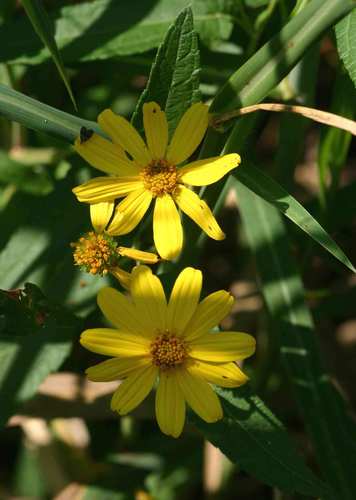
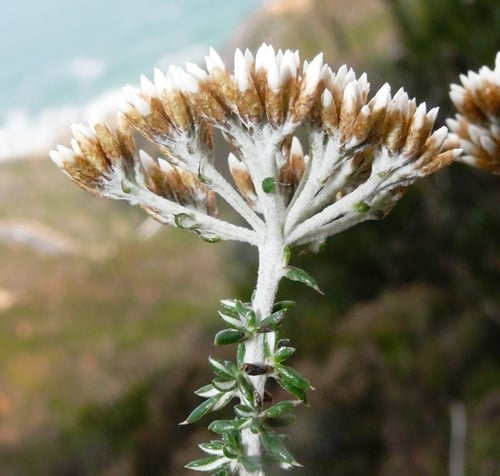
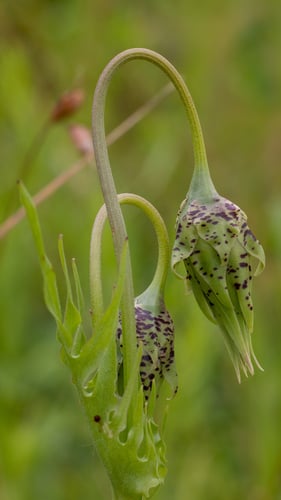
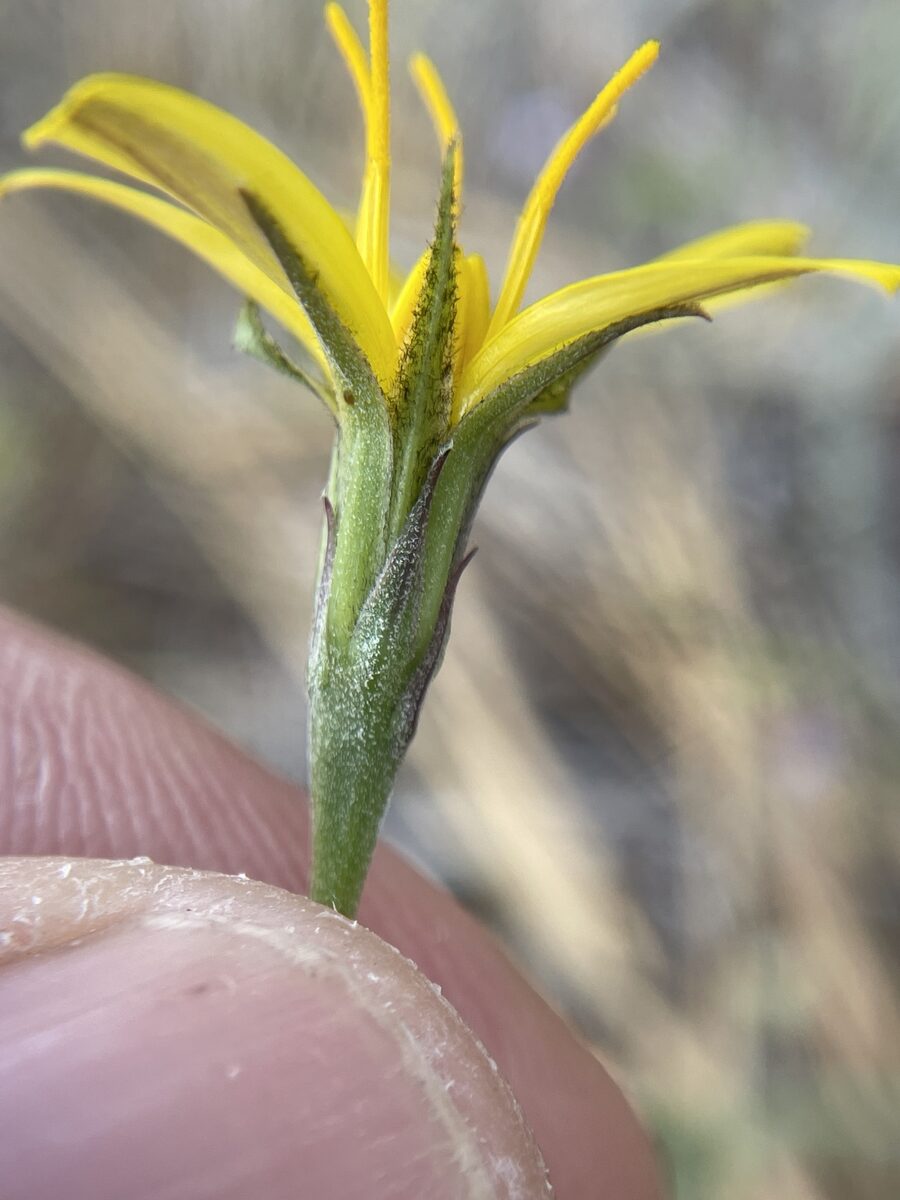
Gynura cusimbua
(D. Don) S. Moore
Hill gynura
iNaturalist· cc-by-nc
(c) T. Abe Lloyd, some rights reserved (CC BY-NC), uploaded by T. Abe Lloyd
iNaturalist· cc-by-sa
(c) Dinesh Valke, some rights reserved (CC BY-SA)
Description
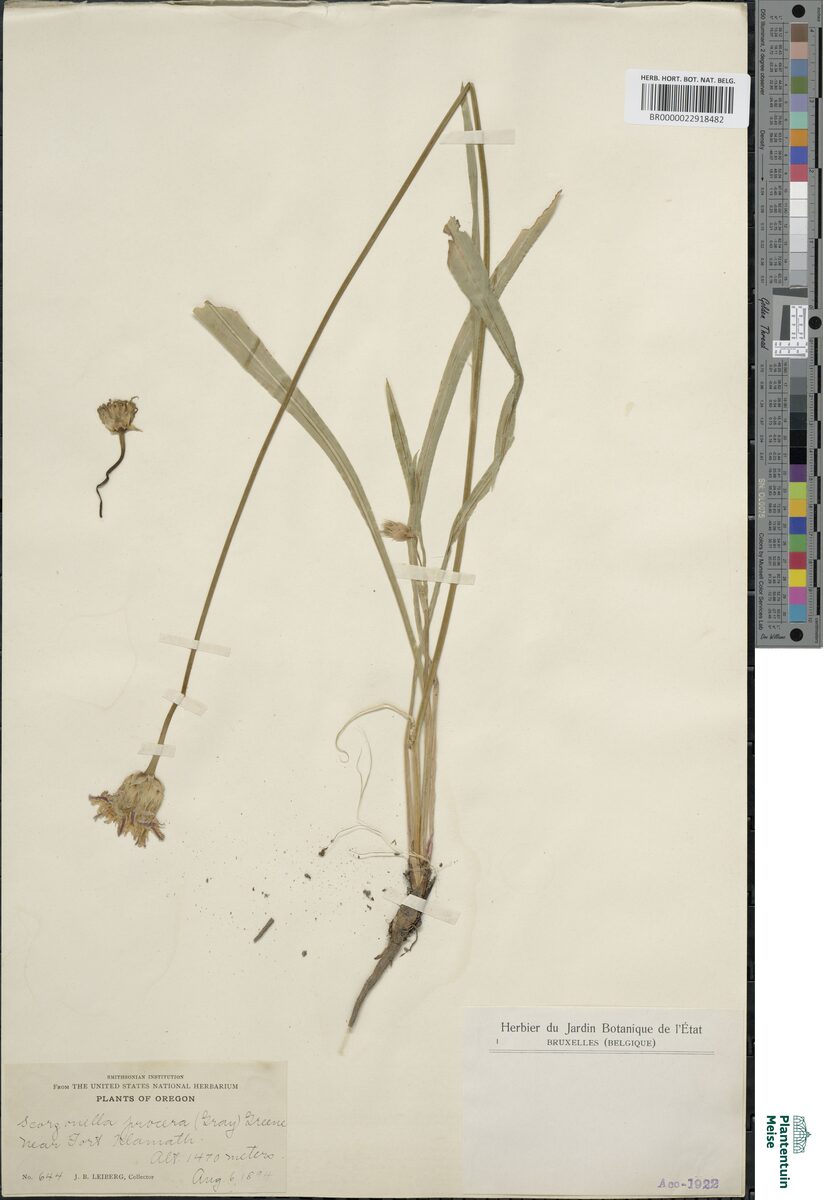
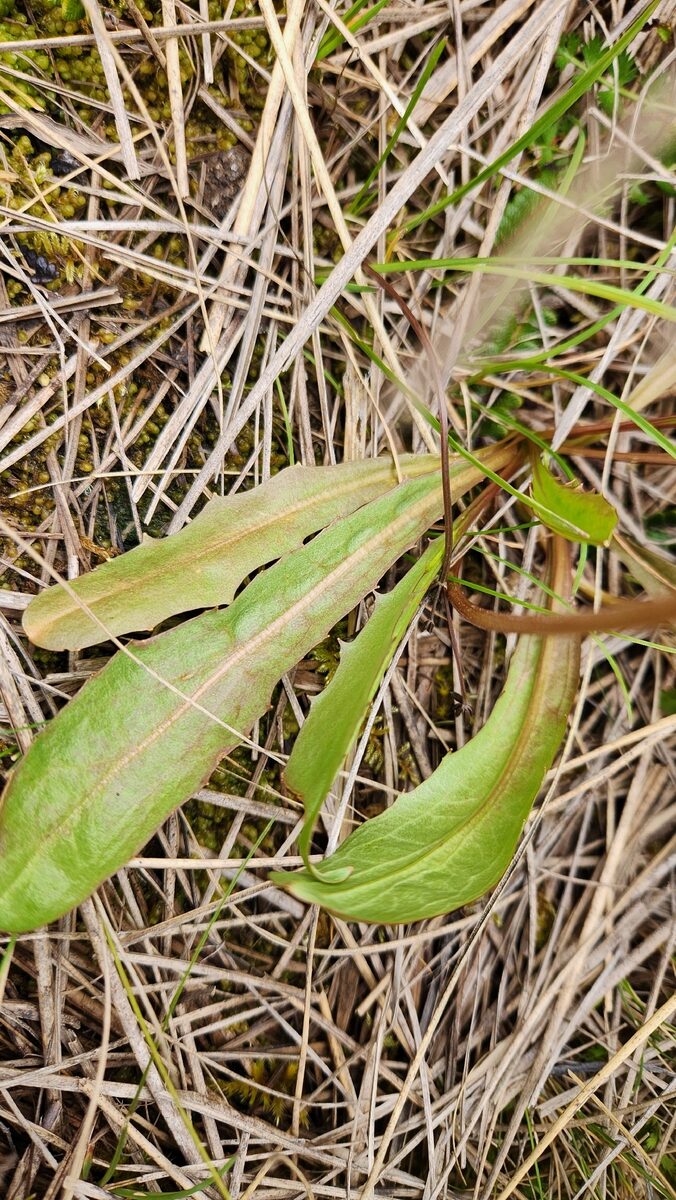
A herb. It keeps growing from year to year. The stems are robust and the lower parts can lie along the ground. They are green or purple and 1.5-3.0 m tall. The stems are up to 2 cm across. They are fleshy but woody at the base. The leaves are large and without leaf stalks. They can be purplish underneath. The leaves are broadly oval and 10-30 cm long by 4-11 cm wide. The leaves higher up are smaller.
Edible Uses
The shoots are cooked and eaten, often added to soups. The leaves are also consumed, though the plant is only occasionally eaten.
Traditional Uses
The shoots are cooked and eaten. They are also used in soups.
This uses section is brief — help expand it
Distribution
It is a subtropical plant. In southern China it grows on slopes and grasslands between 1,300-3,400 m above sea level. In Sichuan and Yunnan.
Where It Grows
Asia, Bangladesh, Bhutan, China, Himalayas, India, Indochina, Myanmar, Nepal, Northeastern India, SE Asia, Sikkim, Thailand, Tibet,
Production
In Nagaland leaves are harvested June to November.
Other Information
It is only occasionally eaten.
Synonyms
Also Known As
Buli, Dudli, Eneshi, Kadu, Nakling, Paaput, Sille, Tera-paibi, Yogin
References (6)
- Angami, A., et al, 2006, Status and potential of wild edible plants of Arunachal Pradesh. Indian Journal of Traditional Knowledge 5(4) October 2006, pp 541-550
- Devi, O. S., et al, 2021, Wild edible plants associated with the people of Thoubal Khunou village and its migrated villagers. Int. J. Adv. Res. Biol. Sci. 8(9): 72-90
- Dutt, B., et al, 2011, Ethnobotanical Survey of Plants used by Gaddi Tribe of Bharmour Area in Himachal Pradesh. ENVIS Bulletin: Himalayan Ecology 19, 2011
- Jain et al, 2011, Dietary Use and Conservation Concern of Edible Wetland Plants at Indo-Burma Hotspot: A Case Study from Northeast India. Journal of Ethnobiology and Ethnomedicine 7:29 p 6
- Pradheep, K., et al, 2016, Wild edible plants used by Konyak tribe in Mon district of Nagaland: Survey and inventorisation. Indian Journal of Natural Products and Resources. Vol 7(1) pp 74-81
Show all 6 references Hide references
- Taram, M., et al, 2018, Wild Food Plant Resources of Komkar Adi Tribe of Upper Siang District in Arunachal Pradesh, India. Bulletin of Arunachal Forest Research, Vol. 33(2), 27-35