Carthamus oxyacanthus
M. Bieb.
Wild safflower
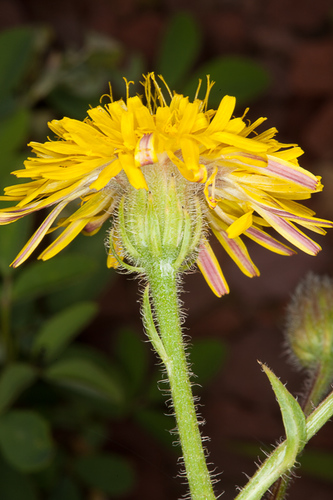
iNaturalist· cc-by
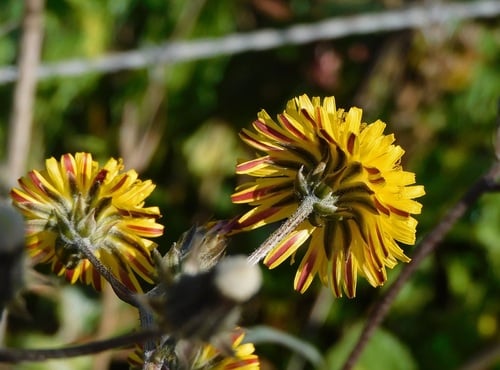
(c) Nasser Halaweh, some rights reserved (CC BY), uploaded by Nasser Halaweh
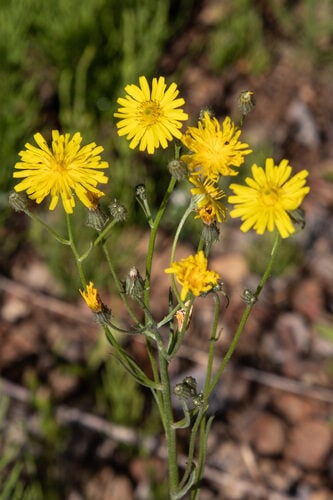
iNaturalist· cc-by
(c) Nasser Halaweh, some rights reserved (CC BY), uploaded by Nasser Halaweh
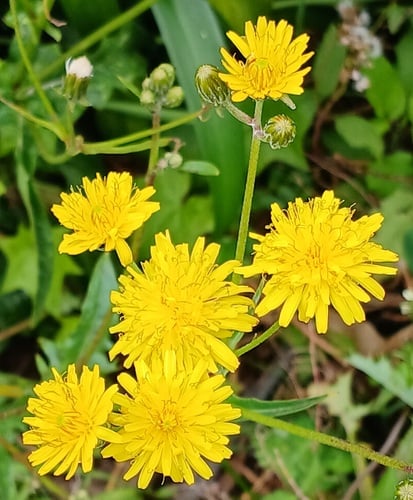
iNaturalist· cc-by-nc
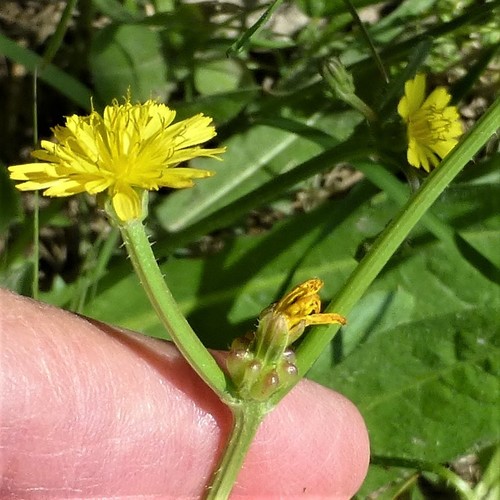
(c) Errol Véla, some rights reserved (CC BY-NC), uploaded by Errol Véla
Description
A spiny annual herb. It grows 1.5 m tall. The leaves are covered with spines. The flowers are yellow in heads 3-5 cm across.
This description is brief — help expand it
Edible Uses
The seeds are cooked and eaten or used for tea drinks. The roasted seeds are used as a staple food.
Traditional Uses
The seeds are cooked and eaten. They are also use for tea drinks.
This uses section is brief — help expand it
Distribution
It is a tropical plant.
Where It Grows
Asia, Armenia, Caucasus, Central Asia, India, Pakistan, Tajikistan,
Other Information
The roasted seeds are used as a staple food.
Notes
There are 14 Carthamus species. They are thistle like plants. They are mostly Mediterranean.
Synonyms
Also Known As
Jero, Kaadu kusabi gida, Kantiari, Mulachu, Mullu shaavanthi, Poli, Poliyan
References (6)
- Ambasta S.P. (Ed.), 2000, The Useful Plants of India. CSIR India. p 107
- Dobriyal, M. J. R. & Dobriyal, R., 2014, Non Wood Forest Produce an Option for Ethnic Food and Nutritional Security in India. Int. J. of Usuf. Mngt. 15(1):17-37
- Khan, A. H., et al, 2023, Traditional foraging for ecological transition? Wild food ethnobotany among three ethnic groups in the highlands of the eastern Hindukush, North Pakistan. Journal of Ethnobiology and Ethnomedicine 19:9
- Singh, H.B., Arora R.K.,1978, Wild edible Plants of India. Indian Council of Agricultural Research, New Delhi. p 84
- Tabl. prov. Mer casp. 118. 1798 (Fl. taur.-caucas. 2:283. 1808 "oxyacantha")
Show all 6 references Hide references
- Zereen, A., et al, 2013, Ethnobotanical Studies of Wild Herbs of Central Punjab, Pakistan. Bangladesh J. Plant Taxon 20(1): 67-76