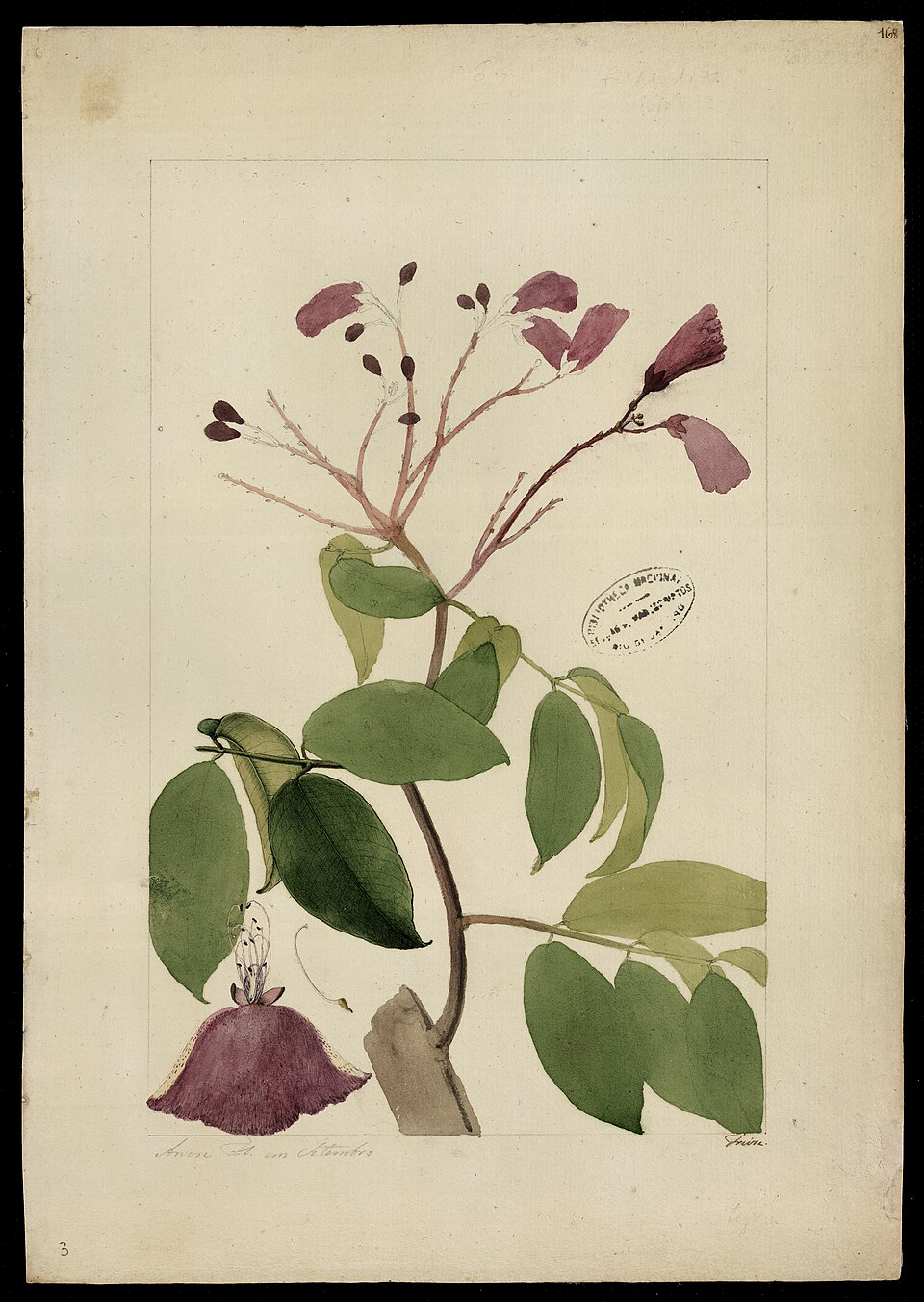
Indigofera astragalina
DC.
Hairy Indigo, Silky indigo
iNaturalist· cc-by-nc
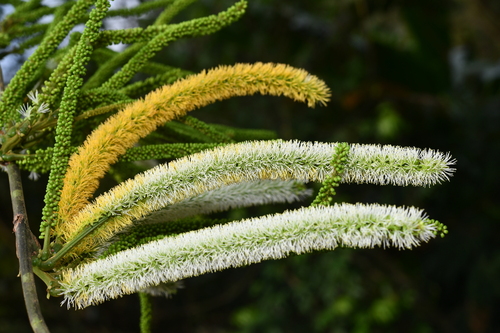
(c) Paul Antony Mangaly, some rights reserved (CC BY-NC), uploaded by Paul Antony Mangaly
iNaturalist· cc-by-nc
(c) Bart Wursten, some rights reserved (CC BY-NC), uploaded by Bart Wursten
iNaturalist· cc-by-nc
(c) Sune Holt, some rights reserved (CC BY-NC), uploaded by Sune Holt
Summary
Source: WikipediaIndogofera astragalina, a legume also known as silky indigo, is a herb found in India, tropical Africa, Madagascar, New Guinea and Australia. It commonly grows in sandy or rocky soils in dry deciduous forests or along roadsides and lake margins. It is also cultivated.
Description
An erect herb. It grows 40-70 cm tall. It is hairy. The stems are soft. The leaves are compound with leaflets along the stalk. There are 5-13 leaflets. These can be 2-5 cm long. The flowers are small and reddish or purple. They are in groups 2-10 cm long.
Edible Uses
The seeds are pounded with rice and eaten as a cake. The leaves are also edible.
Traditional Uses
The seeds are pounded with rice and eaten as a cake.
This uses section is brief — help expand it
Medicinal Uses
Various parts of this medicinal plant are used in Indian System of Medicine to treat various illnesses such as rheumatism, arthritis, inflammation, tumor and liver diseases. The leaves are used in the treatment of diarrhoea. Various extracts of the whole plant have been shown to have significant antioxidant activity, probably due to the presence of flavonoids and phenolic compounds. Various extracts of the whole plant have been shown to have significant cytotoxic activity against a wide range of animal and human cancer cell lines. This anticancer activity is probably connected to the rich amount of phytochemicals (including alkaloids, flavonoids, glycosides, polyphenolics and saponins), that are found in the plant.
Distribution
It is a tropical plant. It grows in areas with a rainfall between 650-800 mm per year and a temperature between 21°-32° C.
Where It Grows
Africa, Asia, Botswana, China, East Africa,India, Malawi, Mozambique, Niger, Nigeria, Sahel, Sao Tome and Principe, West Africa, Zimbabwe,
Cultivation
Indigofera species generally grow best in a sunny position, preferring a well-drained but moist soil. Many of the species will also succeed in drier conditions and in poor soils. This species has a symbiotic relationship with certain soil bacteria; these bacteria form nodules on the roots and fix atmospheric nitrogen. Some of this nitrogen is utilized by the growing plant but some can also be used by other plants growing nearby.
Propagation
Like many species within the family Fabaceae, once they have been dried for storage the seeds of this species may benefit from scarification before sowing in order to speed up and improve germination. This can usually be done by pouring a small amount of nearly boiling water on the seeds (being careful not to cook them!) and then soaking them for 12 - 24 hours in warm water. By this time they should have imbibed moisture and swollen - if they have not, then carefully make a nick in the seedcoat (being careful not to damage the embryo) and soak for a further 12 hours before sowing.
Production
In India seeds are produced May to December.
Nutrition
| Part | Moisture | kJ | kcal | Protein | Vit A | Vit C | Iron | Zinc |
|---|---|---|---|---|---|---|---|---|
| Leaves | 51 | — | 579 | 8.2 | — | — | 21 | 0.11 |
References (2)
- Gafar, M. K. & Itodo, I. A. U., 2011, Proximate and Mineral Composition of Hairy Indigo Leaves. Electronic Journal or Environmental, Agricultural and Food Chemistry. 10(3): 2007-2018
- Misra S. & Misra M., 2016, Ethnobotanical and Nutritional Evaluation of Some Edible Fruit Plants of Southern Odisha, India. International Journal of Advances in Agricultural Science and Technology, Vol.3 Issue.1, March- 2016, pg. 1-30